








Indian Central Bank Intervenes as Rising Oil Prices Threaten Rupee Stability
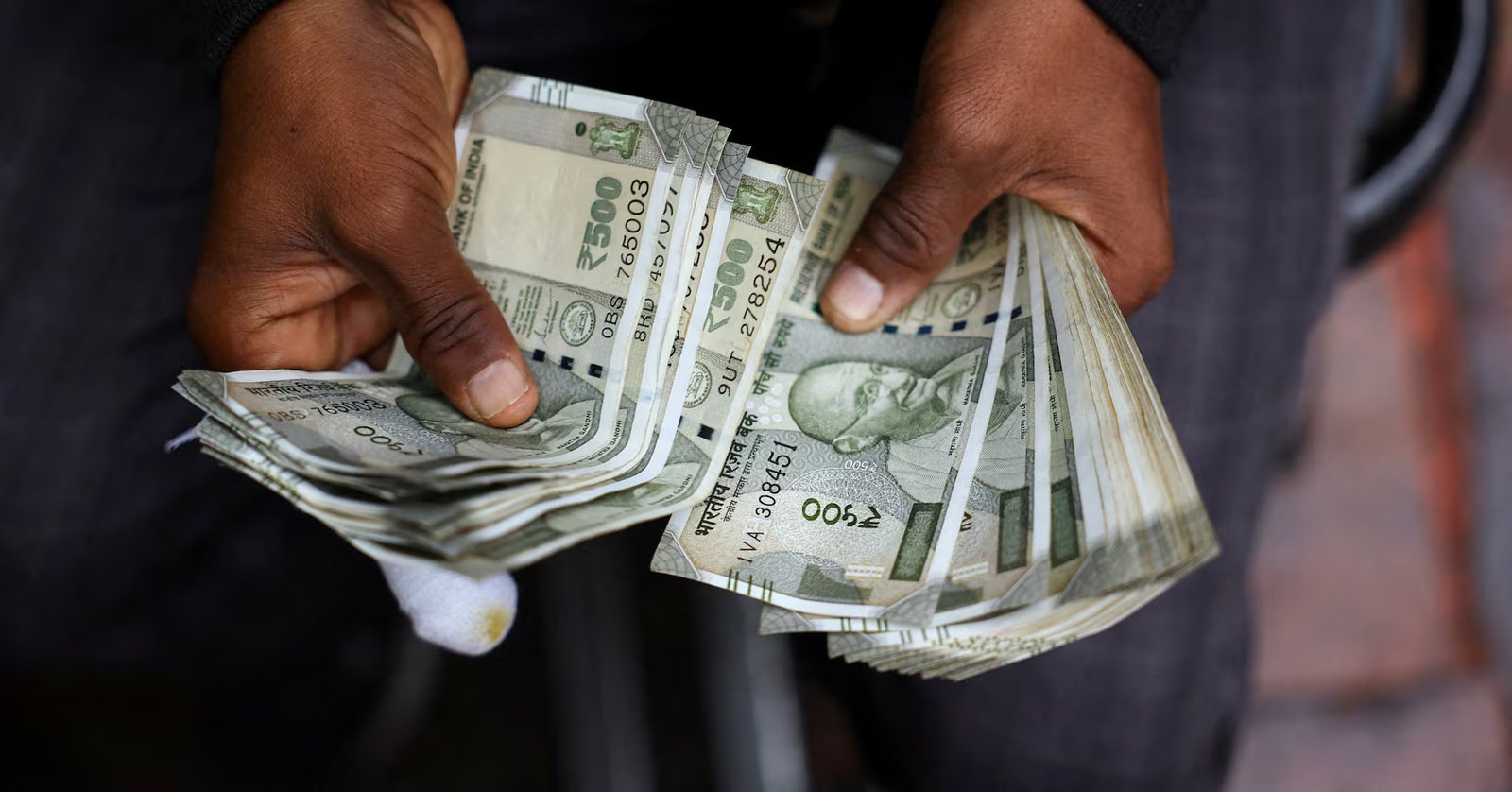
Mumbai, India – August 19, 2026 – The Reserve Bank of India (RBI) is believed to have actively intervened in the foreign exchange market on Wednesday, August 19, 2026, to defend the Indian rupee from escalating pressure. This swift action comes amidst persistently high global oil prices, further exacerbated by mounting uncertainty surrounding the ongoing conflict between the United States and Iran.
Market participants and currency traders observed significant activity from the central bank, indicating a concerted effort to prevent a sharp depreciation of the local currency. The rupee has been under considerable strain in recent weeks, primarily due to India’s heavy reliance on oil imports. As a net importer of crude, a surge in global oil benchmarks directly impacts the nation’s trade deficit and puts downward pressure on the rupee’s value against major international currencies, particularly the U.S. dollar.
The geopolitical tensions in the Middle East, specifically the protracted conflict between the United States and Iran, have added another layer of complexity and volatility to the global oil market. Fears of supply disruptions and increased demand due to regional instability have sent crude prices soaring, creating a challenging environment for economies like India that are heavily dependent on imported energy.
"The RBI’s intervention was palpable today," commented a senior forex trader at a leading Mumbai-based bank, who wished to remain anonymous due to internal company policies. "They were clearly aiming to inject dollar liquidity into the system and prevent the rupee from breaching critical psychological levels. The pressure from oil prices, coupled with the U.S.-Iran situation, is a perfect storm for the currency."
Economists and analysts have been closely monitoring the situation, noting that a weaker rupee could lead to inflationary pressures within India, as imported goods become more expensive. This, in turn, could impact consumer spending and potentially slow down economic growth. The RBI’s proactive measures are therefore seen as crucial for maintaining macroeconomic stability and confidence in the Indian economy.
While the exact scale of the RBI’s intervention remains undisclosed, market sources suggest it was substantial enough to provide temporary relief to the rupee. However, experts warn that sustained high oil prices and continued geopolitical uncertainty will likely necessitate ongoing vigilance and potential further interventions from the central bank. The long-term stability of the rupee will depend on a combination of global oil market trends, the resolution of geopolitical conflicts, and the effectiveness of domestic economic policies.