








India Approves Major LPG Pipeline Expansion to Bolster Energy Security
NEW DELHI – In a strategic move to fortify its national energy infrastructure, India’s downstream petroleum and gas regulator announced on Friday that it has approved the construction of approximately 1,800 kilometers of new liquefied petroleum gas (LPG) pipeline infrastructure. The ambitious project, estimated to cost 70 billion rupees ($731.49 million), is set to reshape the country’s fuel distribution network.
The Petroleum and Natural Gas Regulatory Board (PNGRB) confirmed that the newly authorized pipelines will traverse six states: Telangana, Maharashtra, Uttar Pradesh, Uttarakhand, Karnataka, and Goa. The development of these vital corridors has been entrusted to GAIL India, the nation’s premier state-owned natural gas distributor.
Expanding the National Grid
Once completed, this infrastructure project will expand India’s common-carrier LPG pipeline network by more than 23%, bringing the total reach to approximately 9,500 kilometers.
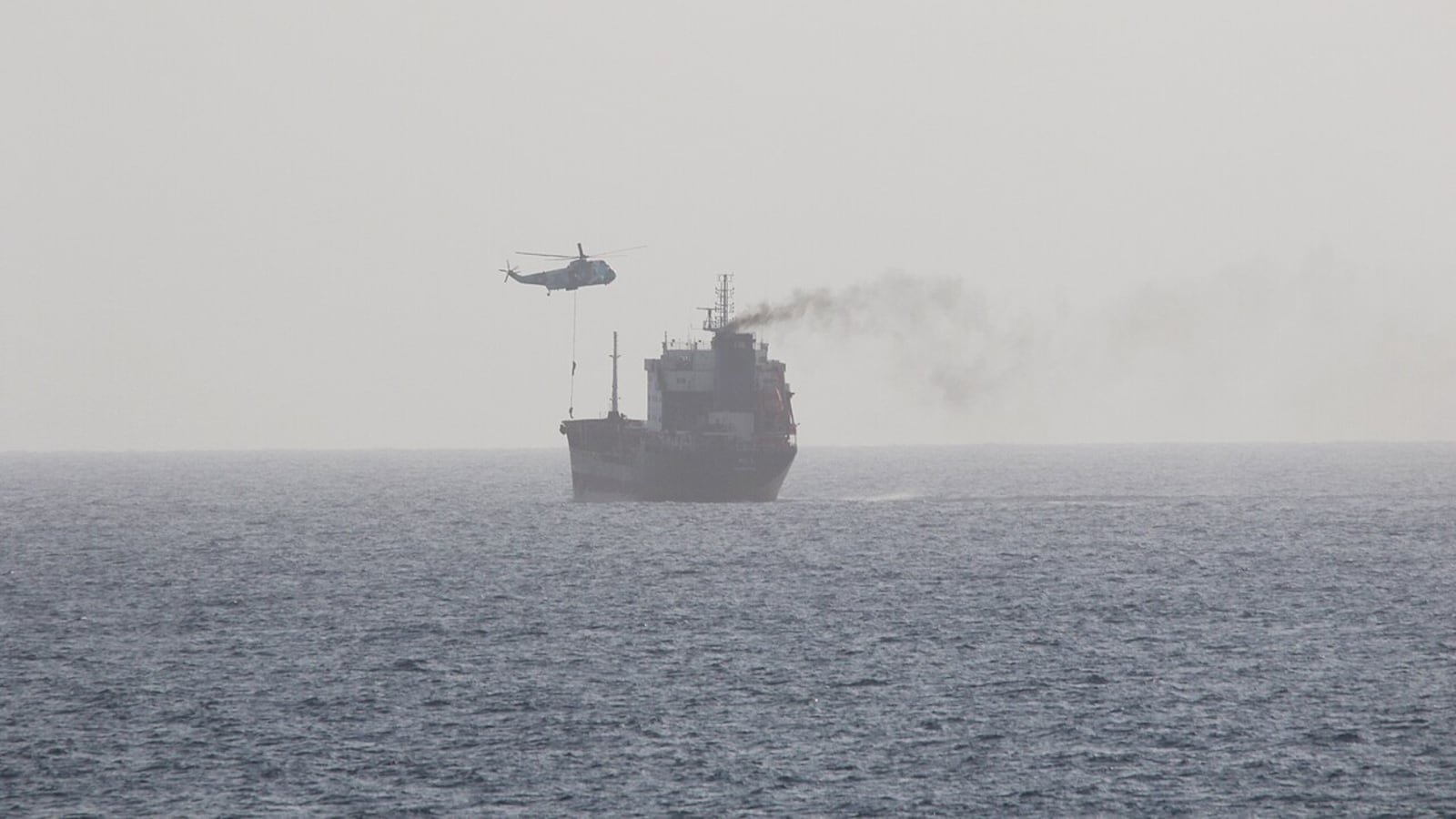
The expansion is a key component of India’s broader strategy to enhance energy-supply resilience. With geopolitical tensions simmering in the Middle East and ongoing concerns regarding the stability of global fuel trade routes, the government is prioritizing internal logistical efficiency. As the regulator noted, India remains heavily dependent on LPG imports; these pipelines are designed to streamline the movement of supplies, ensuring the country is better equipped to handle emergencies and potential global supply disruptions.
Economic and Safety Benefits
Beyond energy security, the shift toward pipeline-based distribution offers significant socio-economic advantages. Currently, a substantial portion of LPG is transported via road in tank trucks. By transitioning to a pipeline-based model, the government expects to:
- Improve Road Safety: Reducing the reliance on heavy fuel trucks will naturally decrease the frequency of accidents on major highways.
- Lower Logistics Costs: Pipeline transportation is significantly more cost-effective for high-volume fuel distribution compared to traditional road transport.
- Ease Traffic Congestion: Removing thousands of tankers from the roads will alleviate pressure on India’s infrastructure and reduce traffic congestion in industrial corridors.
The approval of these projects marks a significant milestone in India’s efforts to modernize its energy distribution, signaling a long-term commitment to sustainable, safe, and reliable fuel delivery for households and industries alike.
(Reporting by Mridula Kumar in Bengaluru; Editing by Jonathan Ananda)