







Indian Top Court Grants Relief to July Protestors Amid Political Standoff
NEW DELHI – In a significant move aimed at de-escalating months of civil unrest, India’s highest court has invoked its special constitutional powers to provide relief to thousands of demonstrators who participated in the widespread protests led by the online Cockroach Janta Party (CJP) movement this past July.
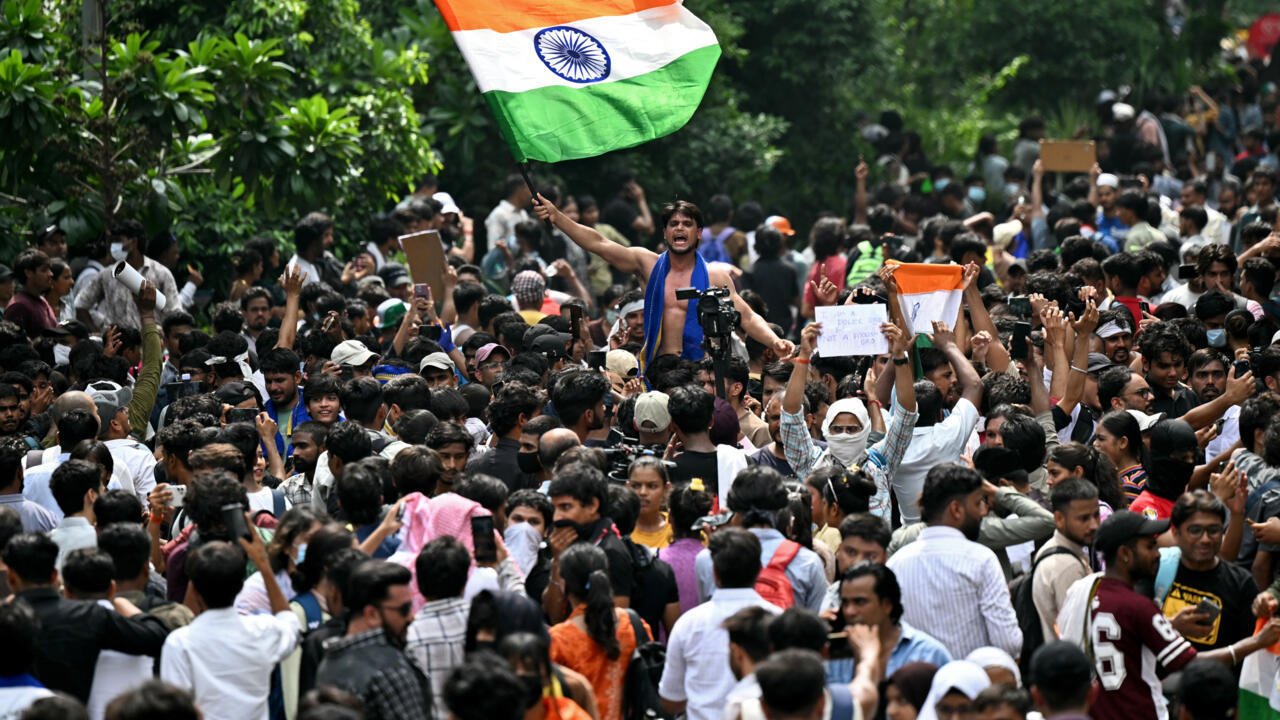
The demonstrations, which paralyzed parts of the nation, reached a boiling point on July 20 when police clashed with tens of thousands of protesters in New Delhi as they attempted to march toward the national parliament. The unrest quickly rippled across state lines, with significant clashes reported in Bihar and West Bengal. In the aftermath, law enforcement filed criminal cases against hundreds of students, leveling charges that included rioting, public violence, and the destruction of state property.
During Tuesday’s proceedings, Chief Justice Surya Kant emphasized a path toward reconciliation, stating, “If both sides show good faith, then all issues can be resolved one by one.”
As part of the court’s intervention, the government has been ordered to provide financial compensation within three months to the families of students who reportedly died by suicide in the wake of the exam paper leak that initially ignited the movement.
A Turning Point for the CJP
The court’s directive has provided an immediate opening for dialogue. Ashutosh Ranka, a spokesperson for the CJP, confirmed in a statement that the group would be withdrawing its plans for a follow-up protest in Delhi, which had been scheduled for this coming Saturday.
While the majority of those arrested may see their cases closed, the legal process will continue for a specific subset of the movement. According to reports from the Press Trust of India, investigations will remain active against 2,873 protesters who hold prior criminal records.
Context of the Unrest
What began as targeted anger over a high-profile exam paper leak rapidly transformed into a broader sociopolitical movement. The protests served as a lightning rod for deep-seated frustrations regarding systemic unemployment, a lack of opportunities for the nation’s youth, and rising concerns over what critics describe as Prime Minister Narendra Modi’s increasingly authoritarian governing style.
For Prime Minister Modi, these demonstrations have proven to be the most significant domestic challenge of his tenure since securing a third term in 2024. As the India’s top court drops criminal cases against protesters involved in the unrest, political observers are watching closely to see if this judicial intervention marks the end of the conflict or merely a brief pause in a larger push for systemic reform.
© 2026 AFP