





NEW DELHI: The landscape of Indian Olympic governance is poised for a significant transformation as the Indian Olympic Association (IOA) moves toward its upcoming Athletes’ Commission elections. With 12 high-profile athletes vying for 10 coveted elected positions, the electoral process has entered a delicate phase where the balance between democratic competition and administrative inclusivity is being put to the test.
At the heart of the discourse is Rule 8.6 of the IOA Athletes’ Commission Rules, 2026. This provision serves as the guiding North Star for the composition of the committee, stipulating that the body should seek “maximum representation from all sports affiliated with the IOA.” More specifically, the rule mandates an endeavor to ensure that no single sport dominates the commission by limiting representation to, ideally, no more than one athlete per discipline. As the IOA prepares to finalize the ballot, this rule has become the focal point for stakeholders analyzing the potential makeup of the new commission.
The Contenders: A Diverse Field
The current list of 12 nominees highlights the depth of talent currently involved in the democratic process of Indian sports administration. The field is split evenly between male and female candidates, reflecting the IOA’s commitment to gender parity.
In the male category, the competition features Manjeet Singh (kayaking and canoeing), shooting sensation Swapnil Suresh Kusale, hockey captain Harmanpreet Singh, swimmer Sajan Prakash, badminton star Kidambi Srikanth, and stalwart shot-putter Tajinderpal Singh Toor.
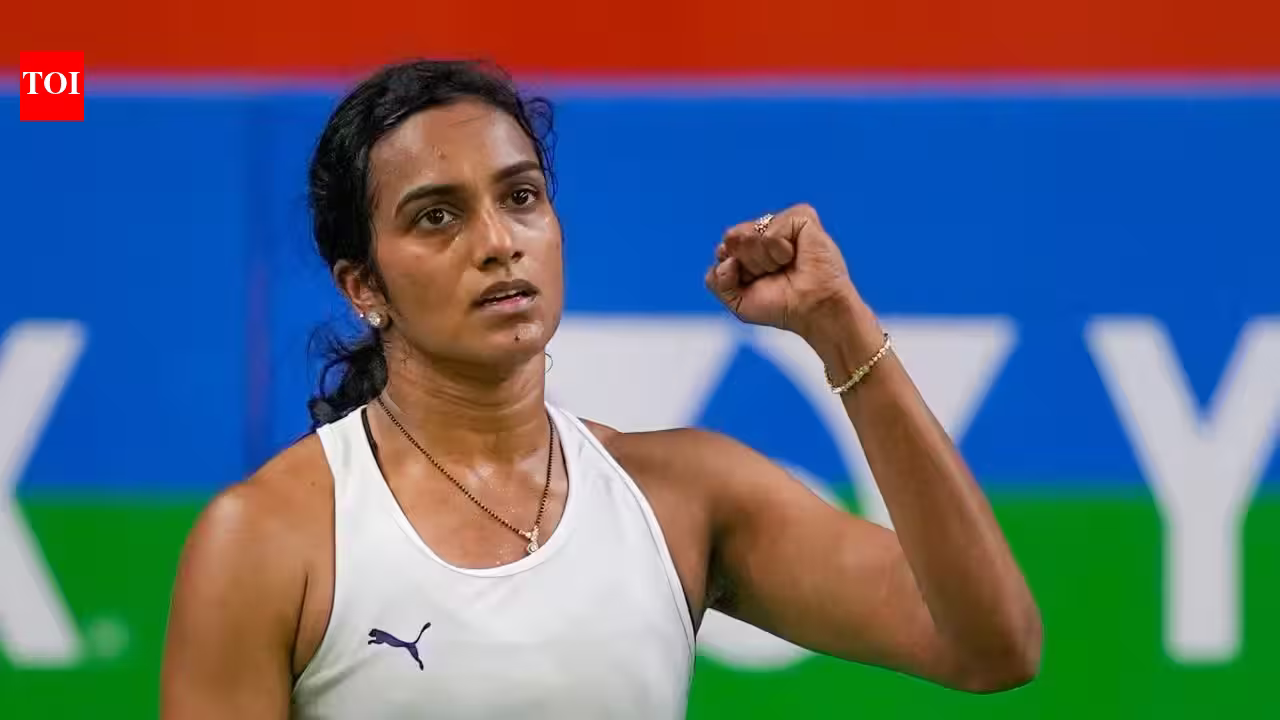
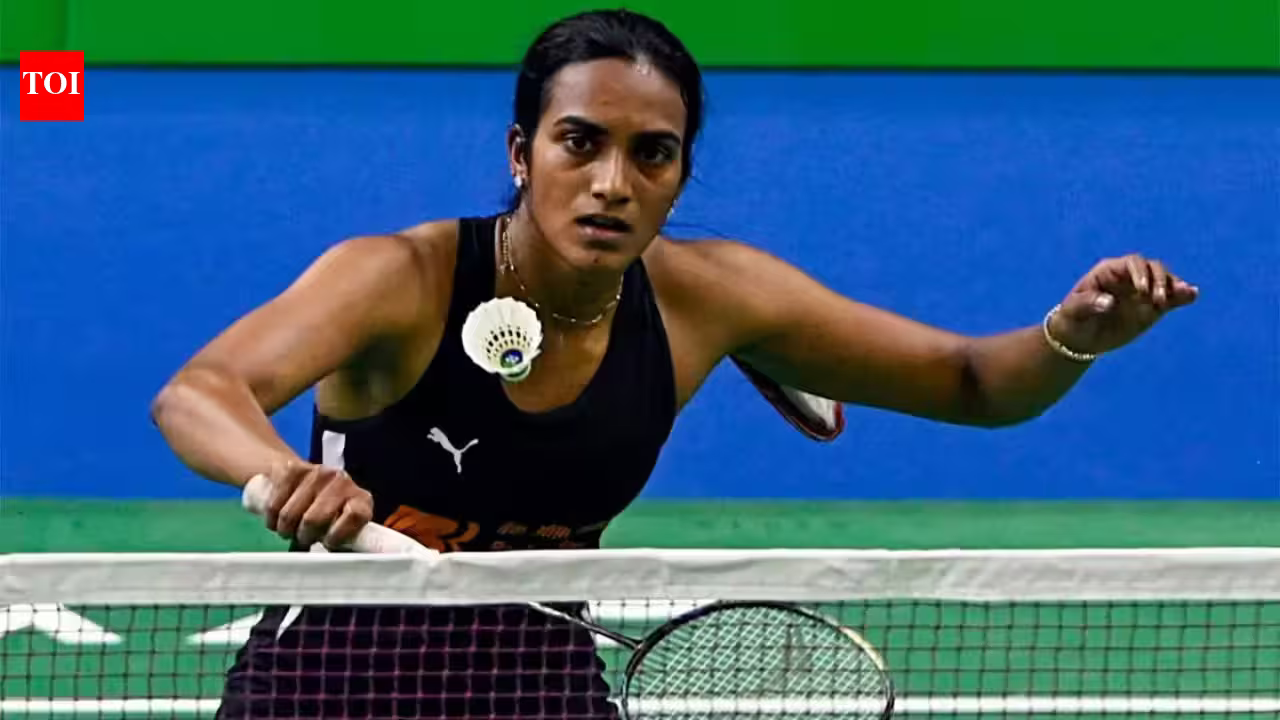
The female category is equally formidable, headlined by two-time Olympic medalist PV Sindhu (badminton), hockey star Salima Tete, weightlifting icon Mirabai Chanu, veteran archer L. Bombayla Devi, long-distance runner Sudha Singh, and fencing pioneer Bhavani Devi.
A notable observation from this lineup is the clustering of candidates from specific high-profile sports. Athletics, badminton, and hockey each have nominees in both the male and female categories, creating a unique challenge for the Returning Officer to satisfy the “maximum representation” mandate without stifling the competitive nature of the election.
Balancing Practicality and Representation
The nomination pattern offers a rare opportunity to achieve a commission that includes all nine represented sports. With 10 seats available and candidates from nine disciplines, it is mathematically possible to have a diverse governing body where eight sports have one representative and one sport holds two.
However, legal experts and election observers emphasize that Rule 8.6 is a guiding principle rather than a rigid quota system. The phrasing “as far as practicable” provides the IOA with a necessary cushion, acknowledging that the final composition must be a product of the democratic process. The rules do not grant the Returning Officer the authority to unilaterally override the will of the voters to force a specific distribution of sports. Instead, the mandate is to ensure the spirit of inclusion is upheld while respecting the sanctity of the ballot.
The Complexity of Eligibility Criteria
Beyond the pursuit of sporting diversity, the successful candidates must navigate a labyrinth of stringent eligibility requirements designed to ensure the commission is comprised of athletes with recent competitive experience at the highest levels.
Under Rule 8.1, the commission must maintain a perfect 50/50 gender split. Furthermore, Rules 8.2 and 8.3 dictate that six of the 10 members—three men and three women—must have competed in at least one of the last three editions of the Olympic Games. This “Olympic-tier” requirement serves to anchor the commission in current high-performance standards.
The remaining four seats, governed by Rule 8.5, require candidates to have secured at least one medal in the last three editions of major multi-sport events, such as the Asian Games, Commonwealth Games, World Championships, or the National Games. This ensures that even those who haven’t reached the Olympic stage have demonstrated excellence at a global or national level.
Finally, Rule 8.4 adds another layer of nuance, stipulating that the Olympic-experienced cohort should include, as far as practicable, at least one athlete from an individual sport and at least one from a team sport. This multi-layered criteria creates a complex puzzle: the final 10-member body must satisfy gender quotas, Olympic participation requirements, medal-winning mandates, and, ideally, the objective of maximum sporting representation.
The Road Ahead
As the election approaches, the IOA finds itself in a position where it must balance the aspirations of its sporting heroes with the structural necessities of a modern, representative governing body. The election of these 10 members is more than just a procedural exercise; it is an attempt to institutionalize athlete-centric decision-making within the IOA.
If the election concludes with a commission that successfully incorporates voices from all nine sports, it would represent a landmark success for the 2026 ruleset. Should the results skew heavily toward specific sports, it will likely reignite the debate over whether the current “as far as practicable” language is robust enough to ensure the equitable representation that the Indian sporting community so deeply desires. For now, the sporting world watches closely, awaiting a commission that reflects the true breadth and brilliance of India’s Olympic movement.
Disclaimer: This content is auto-generated for informational purposes only.
Source: Read Original News