







Falmouth in Turmoil: Hundreds Rally Against Controversial £150 Million Port Redevelopment
By Claire Elliott and Cornwall Live Reporters
August 21, 2026
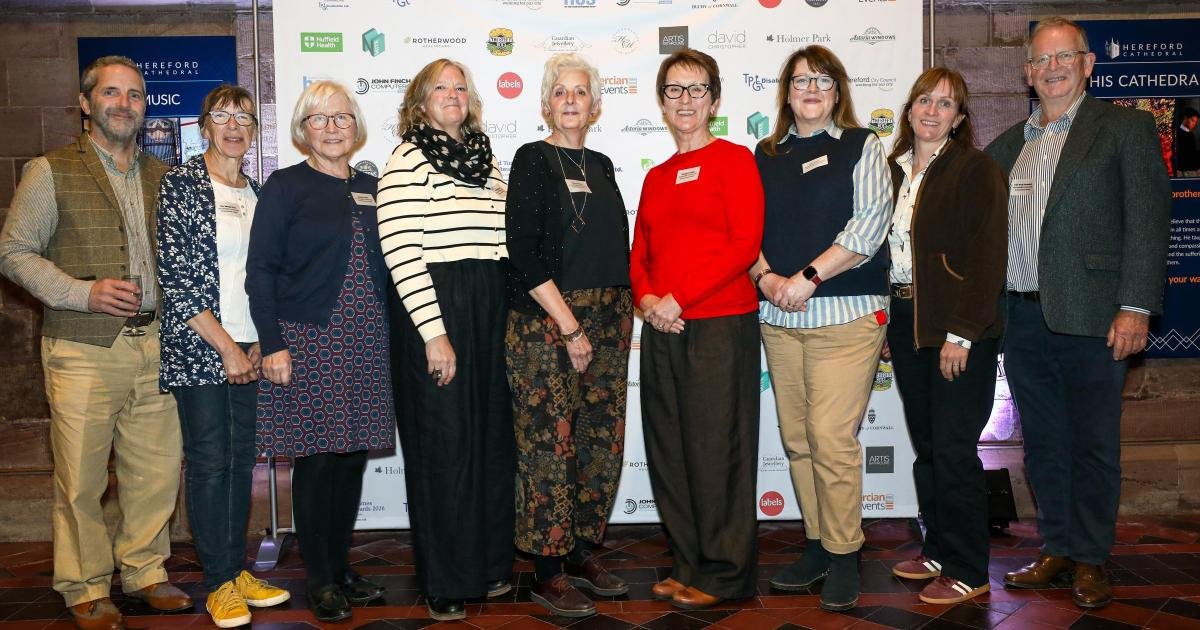
FALMOUTH – Tensions reached a boiling point in Falmouth this week as more than 400 residents descended upon The Cornish Bank, forcing a public meeting to spill out into the streets. The massive turnout underscores the deep-seated community anxiety surrounding a contentious £150 million proposal to redevelop the town’s historic docks.
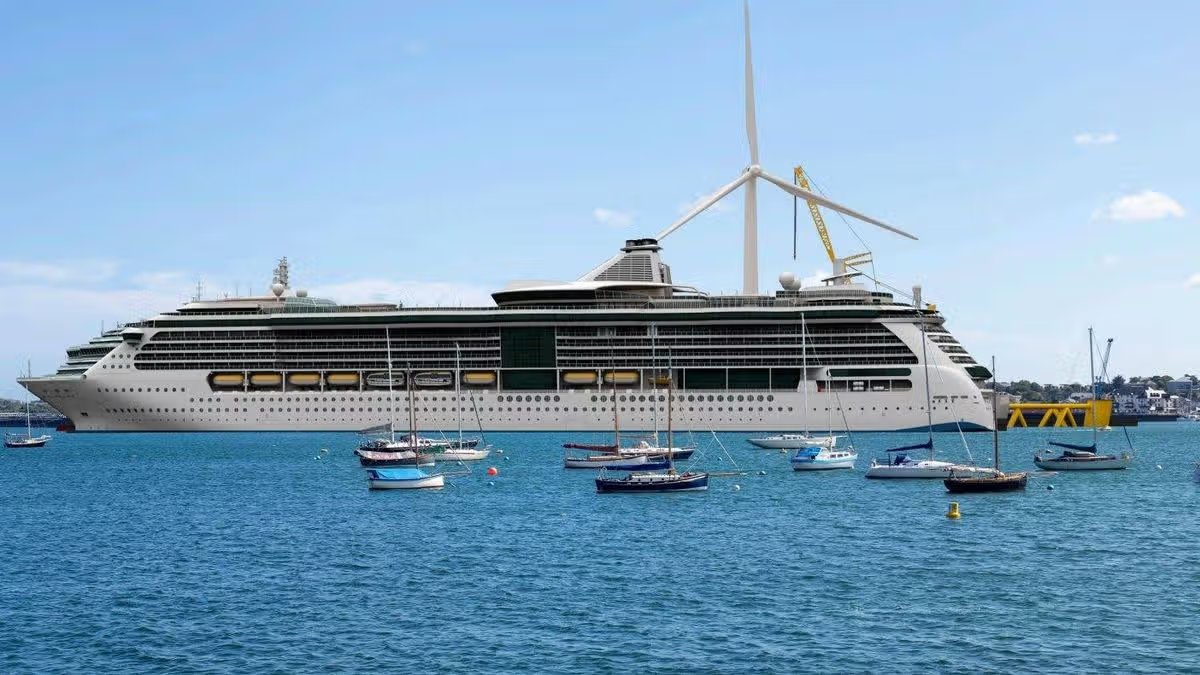
The project, spearheaded by the Falmouth Docks & Engineering Company (FDEC) in partnership with the A&P Group and Balaena, seeks to modernize the harbour to accommodate larger cruise liners, boost cargo capacity, and establish critical facilities for the burgeoning offshore wind turbine industry.
A Choice Between Prosperity and Preservation
Proponents of the scheme argue that the investment is a lifeline for a town struggling with a declining high street and limited industrial opportunities. If granted planning permission by Cornwall Council and the Marine Management Organisation (MMO), the project is projected to attract up to 200,000 cruise passengers annually by 2030, potentially injecting £13 million into the local economy and creating over 350 skilled jobs.
"Dredging is vital to keeping Falmouth a thriving working port," said Drystan Jones of Balaena during the meeting. He emphasized that the proposed work has been developed in coordination with environmental regulators and would be timed with ebb tides to mitigate the dispersal of sediment.
However, these promises of economic revitalization have been met with fierce resistance. At the heart of the controversy is the scale of the dredging: nearly one million cubic metres of material are slated for removal.
The Environmental "Time Bomb"
Critics, including the Cornwall Wildlife Trust, have raised the alarm over the potential toxicity of the seabed. Dr. Dan Barrios-O’Neill revealed that laboratory analysis of sediment cores shows three-quarters of the samples exceed safe thresholds for pollutants, including lead, mercury, and tributyltin.
"We are essentially looking at disturbing contaminated sediments," Dr. Barrios-O’Neill warned, calling for more rigorous testing to prevent irreparable damage to the local marine ecosystem.
Local fishermen, whose livelihoods depend on the health of the harbour, expressed terror at the prospect of these toxins spreading across traditional fishing grounds. Meanwhile, residents voiced broader concerns ranging from the environmental footprint of "mega-ships" to the inevitable traffic congestion caused by thousands of lorries transporting the dredged spoil.
A Divided Community
The debate has polarized locals, with the jobs versus environment argument sparking intense discussion online.
One commenter, Falmouth62, pointed to the environmental catastrophe on Teesside as a cautionary tale: "We can’t let these people destroy the environment for short-term gain." Conversely, local supporter Darren T argued that the port’s modernization is essential for survival: "The environment can recover, but opportunities like this shouldn’t be missed."
Looking Ahead
Jayne Kirkham, MP for Truro and Falmouth, has stepped into the fray, urging for a balanced approach. While acknowledging the potential economic benefits, she stressed that robust environmental safeguards and meaningful consultation with the fishing industry are non-negotiable.
As the meeting concluded, calls for an extended consultation period grew louder. While Mr. Jones characterized the heated exchange as "the start of the conversation," the "Stop the Dredge" campaign movement indicated that they are far from ready to back down. With unanswered questions mounting, the future of Falmouth’s maritime identity remains firmly in the balance.