







JSW and SAIC Eye Massive Expansion for MG Motor India, Launch New Hector Tomahawk Series
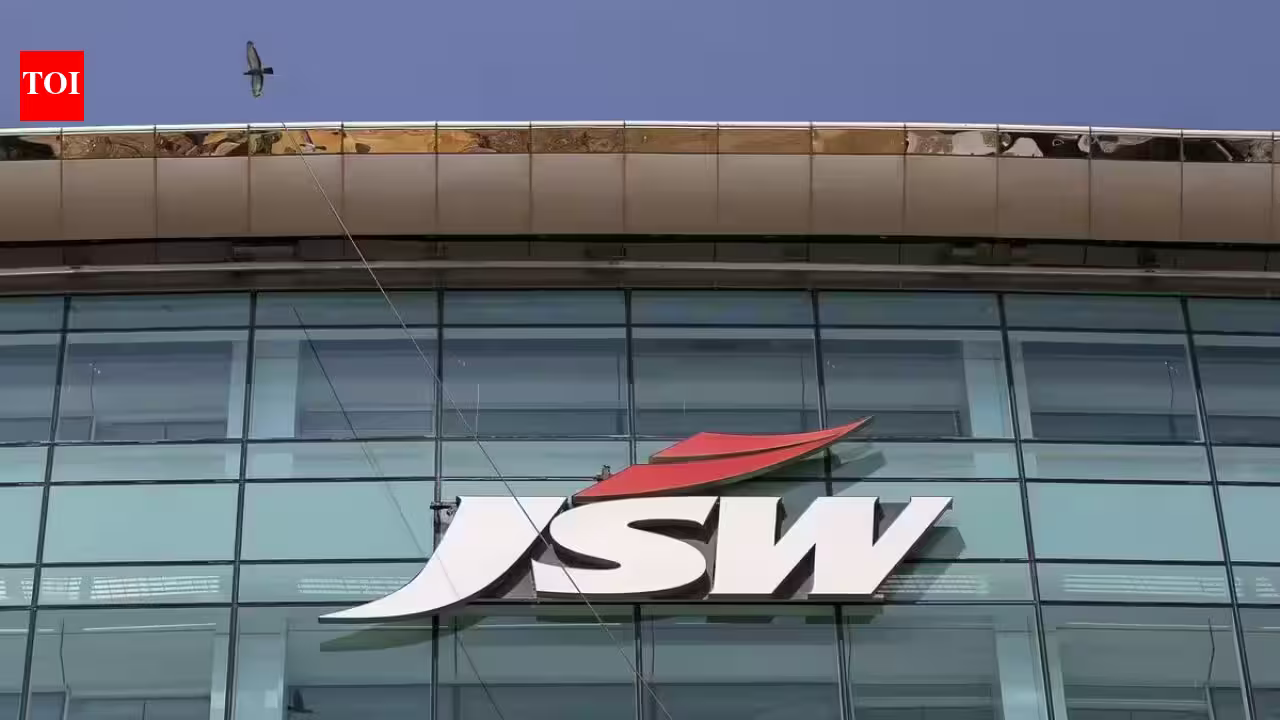
MUMBAI: In a significant move to consolidate its footprint in the Indian automotive market, the joint venture between JSW Group and China’s SAIC Motor is in active discussions regarding a fresh capital infusion. The proposed investment is designed to aggressively scale the manufacturing capacity of the company’s Halol plant, with ambitions to ramp up production to 1 million vehicles annually from its current capacity of 220,000 units.
The strategic partnership, in which JSW holds a 35% stake and SAIC retains 49%, is currently in the midst of a ₹3,500 crore investment cycle aimed at deepening localization and accelerating new product rollouts. Industry analysts expect the joint venture to turn profitable by calendar year 2027.
Expanding the Portfolio: The Hector Tomahawk
As the company prepares for the highly anticipated launch of its first JSW-badged electric vehicle (EV) around the Diwali festival, it has unveiled the Hector Tomahawk. This new series introduces India’s first plug-in hybrid electric vehicle (PHEV) in its segment, alongside a dedicated EV variant.
- Hector Tomahawk PHEV: Available in a seven-seat configuration, this model boasts a combined range of over 1,100 km. It is priced at ₹21.8 lakh, with an innovative Battery-as-a-Service (BaaS) option at ₹3.2/km, or a full-ownership price of ₹25.7 lakh.
- Hector Tomahawk EV: Offering a claimed range of 517 km, the EV version comes in both five and seven-seat layouts. It is priced at ₹14 lakh plus a battery subscription cost of ₹4.9/km, or a full-ownership price of ₹19.5 lakh.
“With this launch, we should be coming close to, if not overtaking, the market leader in new energy vehicles,” said Parth Jindal, Director of JSW MG Motor, during the announcement.
Strategic Roadmap
The Hector Tomahawk is the first MG SUV built on the modular ADAPT platform. According to company leadership, this platform will serve as the cornerstone of the brand’s C-SUV strategy for the next seven to eight years, while the Windsor model will continue to anchor the B-SUV segment.
A core pillar of the JV’s success is its commitment to “Make in India.” The company is currently targeting 70% localization by 2027, with the rate of domestic sourcing increasing by two to three percentage points each month.
Furthermore, Jindal noted that the ADAPT platform is engineered to support Extended-Range Electric Vehicle (EREV) technology. This system, which utilizes an onboard generator to produce electricity, has already seen success in markets like China and Europe, and JSW MG Motor expects it to gain significant traction among Indian consumers looking for a bridge between traditional fuel and pure electric power.
While the company is moving forward with plans for additional capital injection, Jindal declined to comment on whether the funding would lead to a shift in the existing shareholding structure between JSW and SAIC.