








MUMBAI, India – A deadly landslide struck a densely populated neighborhood in Mumbai early Wednesday morning, claiming the lives of at least six people and injuring four others. The disaster, triggered by heavy monsoon rains, occurred when a section of a hillside collapsed onto two or three homes in the tightly packed Ghatkopar suburb.
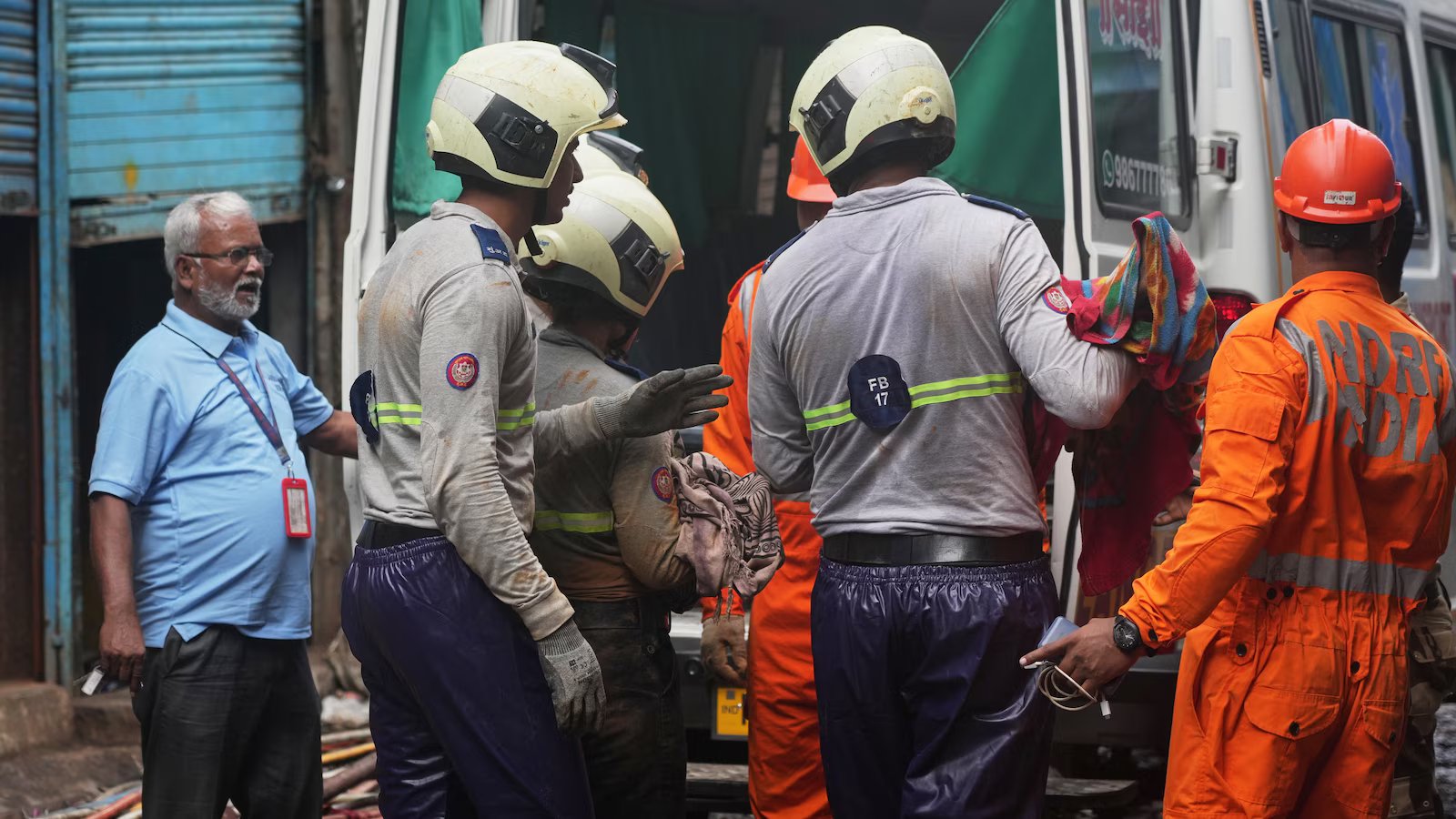
Tanaji Kambli, a civic official, reported that the landslide took place before dawn. Rescue operations were immediately launched, involving firefighters, police, the National Disaster Response Force, and civic officials. However, efforts were significantly hampered by narrow access lanes, which prevented the use of heavy machinery to clear the debris.
Rescue teams managed to pull at least ten individuals from the rubble. They were swiftly transported to a government hospital. Tragically, six of those rescued, including two children and two teenagers, were pronounced dead upon arrival. The remaining four individuals are currently hospitalized and receiving treatment for their injuries.
Mumbai Mayor Ritu Tawde visited the site of the tragedy and announced monetary compensation for the families of the victims.
The India Meteorological Department has issued warnings for continued active monsoon conditions across western India, urging residents in areas susceptible to floods and landslides to remain vigilant.
Mumbai, a sprawling metropolis with over 20 million inhabitants, experiences its most intense rainfall between June and September. These torrential downpours frequently lead to widespread flooding of roads and railway lines, causing significant disruptions to air and rail travel. The heavy rains also routinely trigger landslides and building collapses, especially in crowded hillside settlements where homes are often constructed on unstable slopes.
Experts have consistently highlighted that rapid urbanization, unchecked construction on fragile hillsides, and inadequate drainage systems have collectively increased Mumbai’s vulnerability to devastating monsoon-related disasters. These existing risks are further exacerbated by climate change, which contributes to heavier and more unpredictable rainfall patterns in the region.