





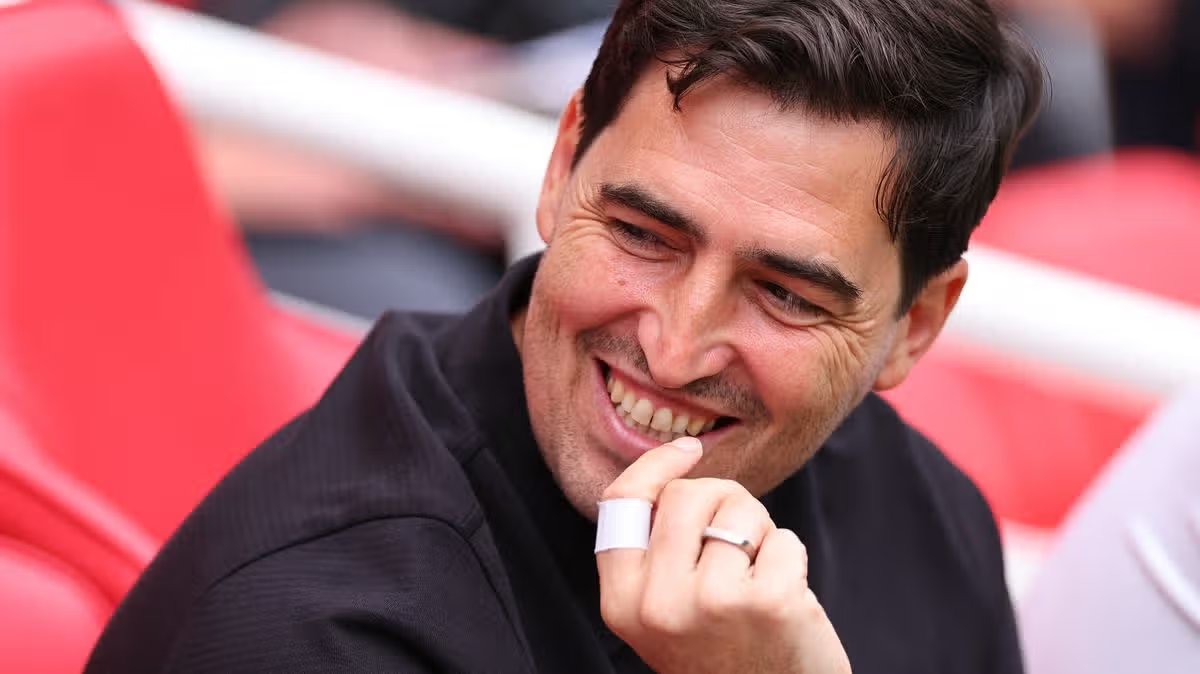
Liverpool’s Transfer Window Woes: Lack of Player Sales Stifles Iraola’s Squad Reinforcement
Liverpool, UK – As the summer transfer window approaches its crucial final stages, Liverpool FC finds itself in an increasingly challenging predicament. Despite a clear intent to bolster Andoni Iraola’s squad, particularly a seemingly "undercooked" forward line, the club’s inability to offload players has significantly impacted its spending power and strategic planning. This overlooked aspect of the transfer market is casting a shadow over what was hoped to be a bustling period of activity for the Reds.
While speculation surrounding new signings often dominates headlines, a deeper look reveals that Liverpool’s traditional "trading club" model is currently faltering. Though head coach Arne Slot’s comments about needing to sell to buy were initially taken out of context – with the club demonstrating a willingness to spend significant sums on new talent like Jeremy Jacquet, Victor Munoz, and previously, Yan Diomande – the underlying principle remains critical. Liverpool’s transfer funds are typically augmented by player sales, a stark contrast to this summer’s meagre returns.
In a surprising turn, Liverpool has generated a paltry £700,000 from player sales this window, primarily from the departure of Luca Stephenson. This figure represents their lowest income from sales with two weeks remaining until transfer deadline day since 2003. While the substantial wages of key figures like Mohamed Salah, Andy Robertson, and Ibrahima Konate being off the books offer some financial relief, the lack of significant transfer fees from outgoings is undoubtedly hindering Iraola’s ability to strengthen his team.
Historically, academy graduates have been a consistent and lucrative source of income for Liverpool. Recent years saw players like Tyler Morton, Jarell Quansah, Caoimhin Kelleher, Nat Phillips, and Ben Doak collectively command nearly £100 million. Before them, Sepp van den Berg and Bobby Clark brought in up to £35 million combined. During Jurgen Klopp’s tenure, academy products such as Neco Williams, Harry Wilson, Rhian Brewster, Ki-Jana Hoever, and Jordon Ibe all generated eight-figure fees, often representing substantial profit margins.
However, the current crop of readily saleable young academy assets is reportedly not at the same level. While talents like Rio Ngumoha and Trey Nyoni are highly regarded, they are considered important first-team squad members, with a decision still pending on Lewis Koumas’s immediate future. Stefan Bajcetic has attracted interest from Getafe, but the overall expectation is that any outgoing youngsters will not significantly boost the club’s coffers in the coming fortnight.
This scenario places increased pressure on the club to offload fringe senior squad members to raise substantial funds. Midfielder Curtis Jones, entering the final 12 months of his contract, has emerged as a prime candidate. Inter Milan is reportedly considering another bid for the player Liverpool values in excess of £30 million. Harvey Elliott, also out of contract next summer, and Federico Chiesa could be next in line, though serious interest from other clubs has yet to materialize. Meanwhile, Cody Gakpo continues to be courted by Tottenham Hotspur.
The conundrum for Liverpool is clear: while they desperately need reinforcements in certain areas, advocating for senior player sales without having replacements lined up would be a baffling and potentially detrimental move. Under Fenway Sports Group, Liverpool has long prided itself on its adeptness at generating funds through player sales. The current struggle in this regard, with the transfer deadline looming, paints a picture of a truly testing window for the Merseyside club. The next two weeks will be crucial in determining whether Iraola can secure the necessary additions to his squad or if Liverpool will face the new season with a team that has not been adequately strengthened due to their current transfer market limitations.