








Amazon Warns Proposed NYC Delivery Bill Could Hit Households with Hundreds in Annual Costs
NEW YORK — A controversial legislative proposal backed by New York City Mayor Zohran Mamdani is facing intense scrutiny as business leaders and major retailers warn of significant economic fallout for city residents.
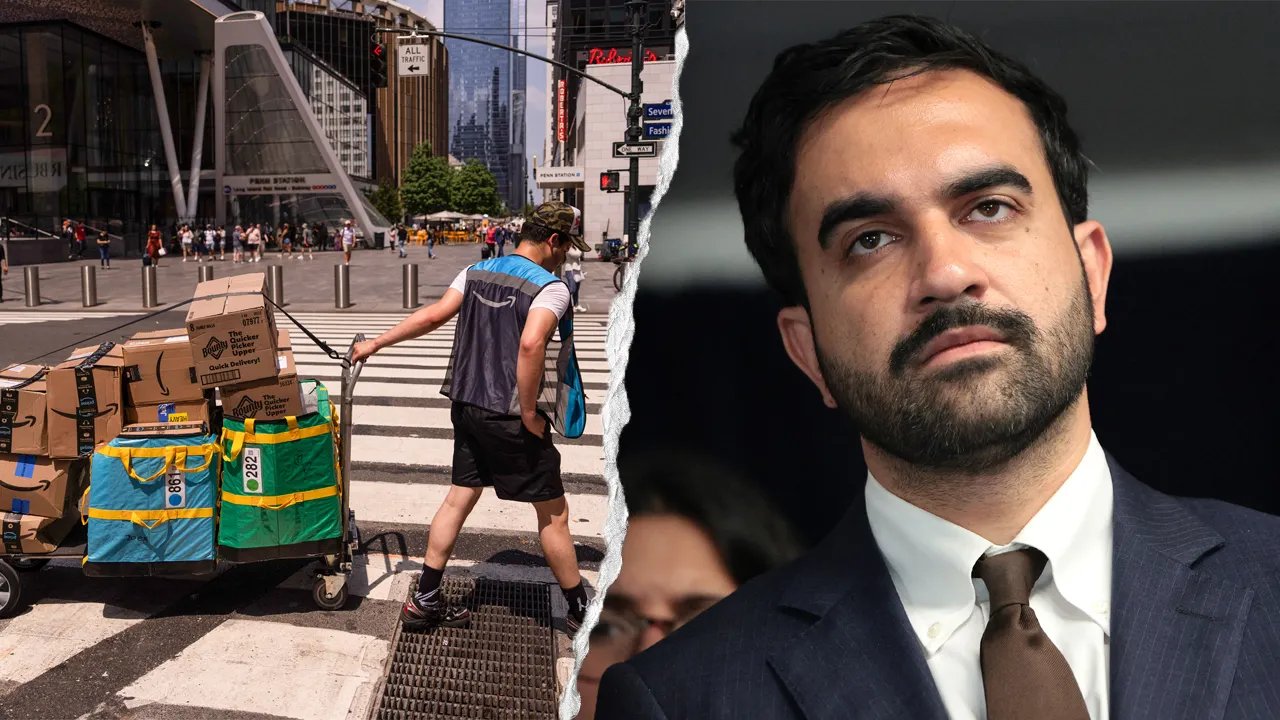
The legislation, Intro 0518—also known as the “Delivery Protection Act”—seeks to overhaul the city’s logistics landscape by banning large shipping companies, including Amazon, from utilizing third-party contractors for “last-mile” deliveries. Introduced by City Councilmember Tiffany Cabán and championed by Mayor Mamdani, the bill would mandate that operators of last-mile facilities directly employ all staff performing core delivery services, effectively dismantling the current subcontracting model.
Economic Impact and Consumer Costs
Amazon has issued a stark warning regarding the potential consequences of the bill. Citing an analysis by the consulting firm AKRF, the company suggests that the measure could drive delivery costs higher by forcing logistical facilities to relocate further from urban population centers.
According to the analysis, this shift would lead to increased fuel consumption, longer travel times, and reduced delivery efficiency. The report projects that if the bill is passed, it could force an additional annual cost of $664 per New York City household, while simultaneously triggering service-level declines of up to 21%.
“Our priority is to continue creating good jobs and supporting our employees in New York City,” an Amazon spokesperson stated. “We’re equally committed to the local small business partners who work with us every day. As written, this legislation would put more than 40 Delivery Service Partners (DSPs) and their 5,000-plus employees at risk.”
The Political Divide
Proponents of the legislation argue that the current system allows major corporations to circumvent accountability. In a press release, Mayor Mamdani’s office characterized the existing subcontracting system as “exploitative,” alleging that it allows companies to dictate strict productivity quotas and workplace conditions while distancing themselves from the labor protections required for direct employees.
“Through delivery subcontractors, corporations dictate hiring standards, delivery routes, steep productivity quotas and workplace expectations while denying that the workers making those deliveries are employees,” the Mayor’s office stated. “The result is a system that leaves workers vulnerable and corporations free to avoid accountability.”
Small Businesses Speak Out
The pushback against the bill is not limited to Amazon. The “New York Delivers Coalition,” a group representing independent, local delivery business owners, has emerged as a vocal opponent of the bill. Many of these business owners are first-generation Americans who argue that the legislation threatens their ability to operate in the city.
“Large corporations like Amazon have the resources to adapt to sweeping new mandates. It’s the independent small businesses they contract with that would be forced to shut down,” the coalition stated, noting that over 10,000 local jobs are currently at stake.
The coalition has invited members of the City Council to visit their facilities and observe their operations firsthand to better understand the impact of the proposed changes. As of now, neither Councilmember Cabán nor the Mayor’s office have accepted the invitation or provided further comment on the warnings issued by the business community.
For Amazon, the stakes include the possibility of moving its last-mile operations outside the five boroughs—potentially to New Jersey, Long Island, or Westchester—to remain compliant with the evolving regulatory environment.