







U.S.-Canada Trade Talks Collapse: Prime Minister Carney Slams ‘Power Play’ as Retaliatory Tariffs Loom
OTTAWA — The fragile diplomatic effort to avert a transcontinental trade war has crumbled, as Canadian Prime Minister Mark Carney accused the United States of executing a "power play" to undermine Canada’s national sovereignty.
The breakdown, which occurred in the final hours of intense negotiations, has resulted in the suspension of talks and the recall of Canada’s trade delegation to Ottawa. The impasse follows the implementation of President Donald Trump’s 50% tariffs on approximately $28 billion worth of Canadian goods, a move that has sent shockwaves through North American markets.
A Breach of Sovereignty
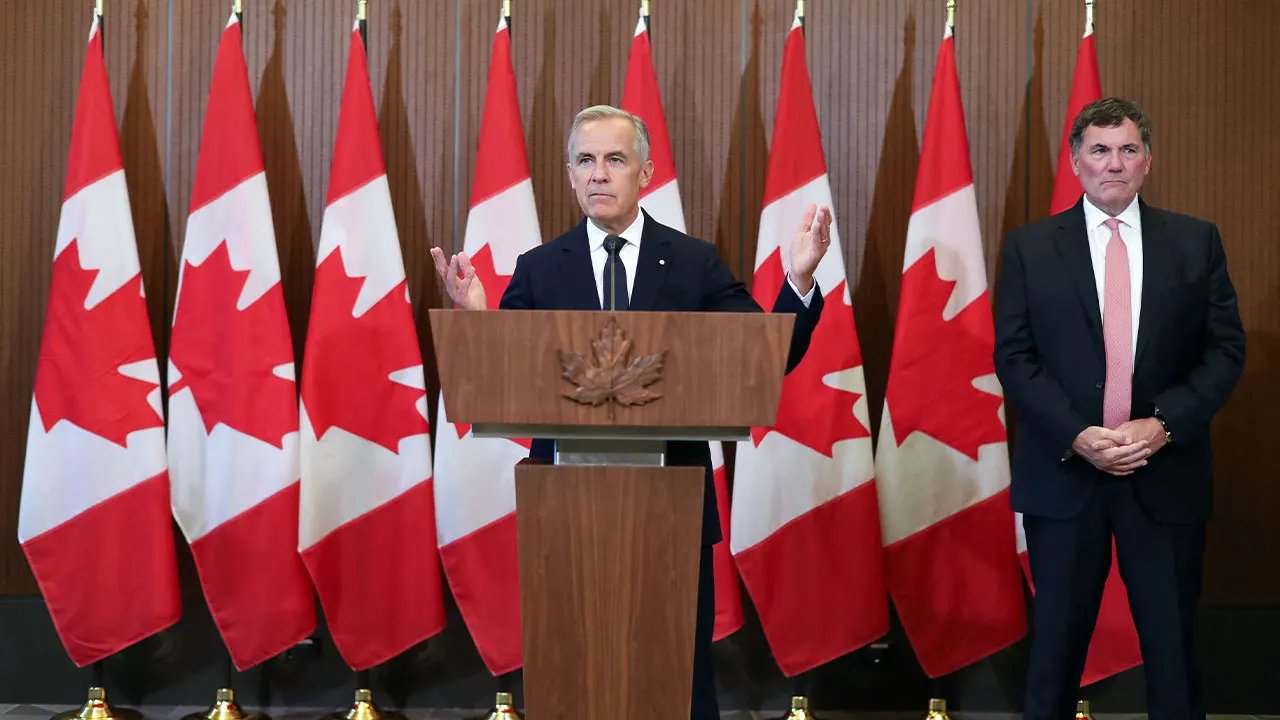
Prime Minister Carney addressed the media on Saturday, detailing how late-stage U.S. demands derailed an agreement that both sides had previously signaled was nearing completion. According to the Prime Minister, the U.S. introduced last-minute stipulations aimed at restricting Canada’s autonomy to forge independent trade agreements with third-party nations.
"The U.S. introduced in the last hour efforts to restrict our ability to have other trade deals," Carney told reporters. When pressed on the motivation behind these demands, the Prime Minister was blunt, labeling the tactic a "power play" and a direct challenge to Canadian sovereignty.
Washington Disputes the Narrative
The White House has vehemently rejected the Prime Minister’s characterization of the negotiations. U.S. Trade Representative Jamieson Greer issued a statement late Friday, accusing Ottawa of "walking back" previously finalized commitments.
"Canada declined to finalize the trade deal under the terms agreed earlier this week," Greer stated. "Despite the U.S. offer to Canada to receive the best treatment of any major exporter to our market, new demands and walk-backs of other commitments by Canada have upended the careful balance reached in the past days."
Washington claims it had offered substantial concessions, including tariff reductions on steel, aluminum, lumber, and autos, as well as a comprehensive partnership spanning critical minerals, aerospace, and digital trade. Carney countered these claims succinctly: "In short, they asked too much, and they offered too little."
Escalation and Retaliation
With diplomatic channels effectively stalled, the conflict is shifting toward economic warfare. Canada has announced plans to implement retaliatory tariffs on a dollar-for-dollar basis, targeting key U.S. sectors including agriculture, appliances, electronics, and pulp and paper. These measures are scheduled to take effect on Tuesday following the Labor Day holiday.
The dispute has been further complicated by intractable disagreements over the North American auto sector—specifically concerning tariff levels and "Canadian content" requirements—as well as U.S. pressure regarding Canada’s cultural and linguistic protections, particularly those concerning the French language.
A New Reality
Despite a brief moment of optimism earlier in the week when President Trump announced a potential "deal," the relationship between the two nations has deteriorated rapidly. When asked by reporters if the current situation amounted to a full-scale trade war, the Prime Minister struck a defiant tone.
"We’re attacked, like you’re at war when you get attacked, we got attacked," Carney said.
As the government prepares to roll out support packages for small and medium-sized businesses caught in the crossfire, Canadian officials maintain that they have the resilience and economic depth to withstand the current pressure. For now, however, the primary trade artery between the two neighbors remains in a state of unprecedented volatility.