








U.S.-Canada Trade Relations Plummet as 50 Percent Tariffs Take Effect
WASHINGTON — A period of relative diplomatic calm between the United States and Canada has shattered. As of Saturday, the Trump administration has implemented new 50 percent tariffs on a broad array of Canadian goods, signaling a sharp pivot toward an aggressive, high-stakes trade confrontation between North America’s closest neighbors.
The move marks the end of a weeks-long standoff where President Trump had intermittently softened his rhetoric toward Ottawa. However, the latest escalation has left the two nations barreling toward a cycle of retaliation that economists fear could inflict significant damage on the U.S. economy.
A Return to Brinkmanship
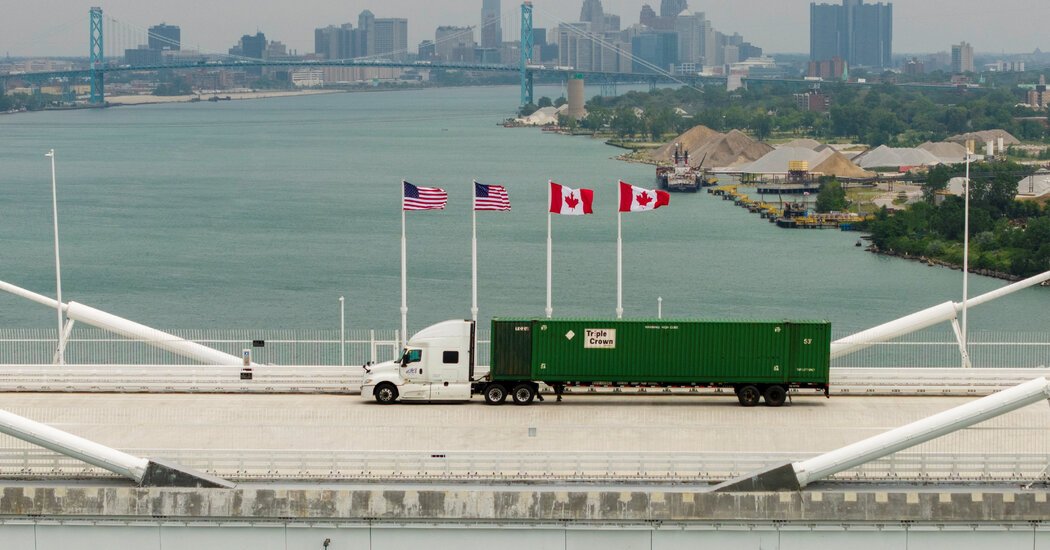
The new levies, which apply to approximately $20 billion worth of Canadian imports, cover hundreds of items ranging from dairy products and furniture to Canadian-made hockey sticks. While these goods represent only a fraction of total cross-border trade, the move is being viewed by experts as a dangerous return to trade brinkmanship.
"The bigger deal is uncertainty," said Scott Lincicome, vice president of general economics at the Cato Institute. He noted that the volatility characterizing Mr. Trump’s second term—where tariffs are raised and lowered with the stroke of a pen—has roiled financial markets and confounded U.S. allies.
Crucially, the new duties come without the exemptions typically found in existing trade agreements between the U.S., Canada, and Mexico. For American importers, this means absorbing higher costs that are likely to be passed down to consumers already grappling with persistent inflation.
Canada Vows Retaliation
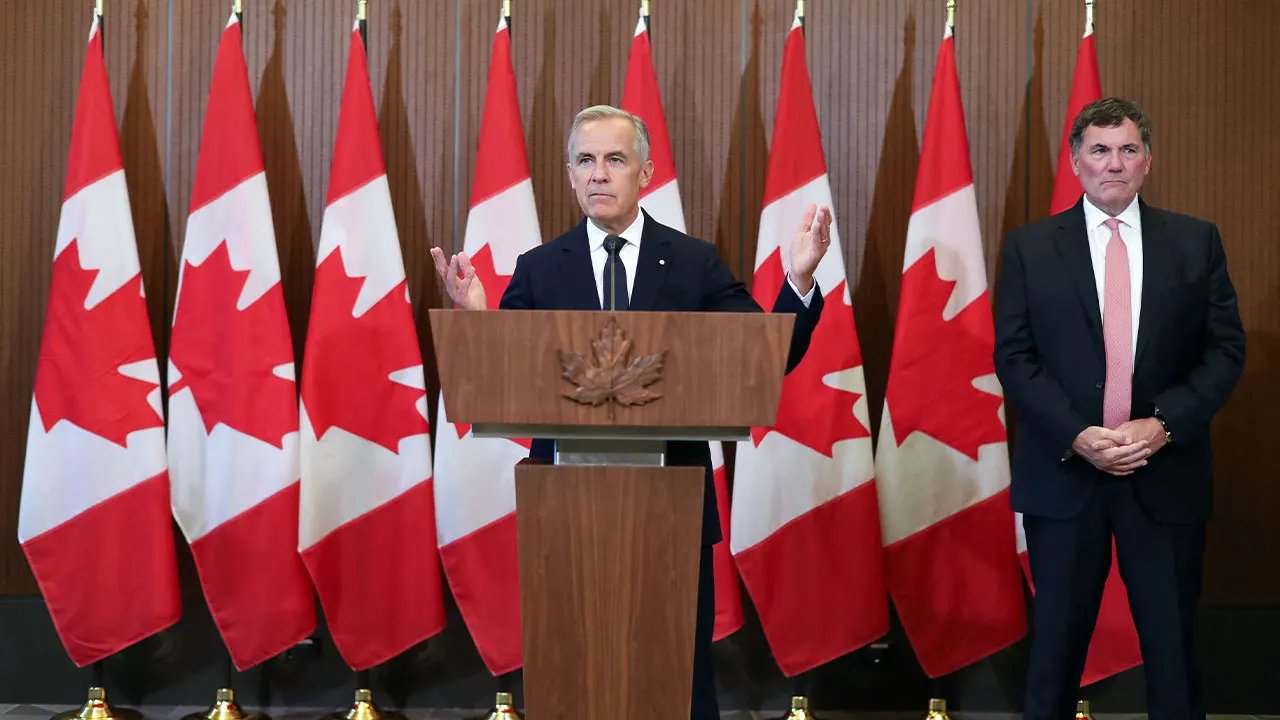
The Canadian government has signaled it will not be intimidated. Prime Minister Mark Carney, who recently described the current state of affairs as being "at war," announced that Ottawa intends to unveil retaliatory measures shortly after Labor Day. Officials in Ottawa are reportedly eyeing key U.S. sectors, including agriculture, steel, and electronics, in a calculated move to maximize political pressure.
"We are moving forward," U.S. Trade Representative Jamieson Greer told Fox News on Saturday morning, confirming that there are currently no new talks scheduled to resolve the impasse.
Economic Risks Mount
The timing of this trade war could prove costly for an American economy already facing multiple headwinds. With the national debt having reached $40 trillion this week and global growth hampered by conflict in Iran and rising fuel costs, analysts warn that further friction with a top trading partner could prove destabilizing.
Joe Brusuelas, chief economist at RSM US, warned that Canada is likely to strike back "where it hurts the most," potentially targeting the U.S. auto industry. Such a move would complicate the Federal Reserve’s struggle to bring inflation down to its 2 percent target, as manufacturing remains in a precarious state.
Legislative pushback has been swift, with lawmakers like Senator Peter Welch (D-VT) condemning the tariffs as a "slap in the face" to farmers and businesses that rely on decades-old, integrated supply chains.
Is a Resolution Possible?
Despite the grim optics, some observers remain cautiously optimistic that this is merely the latest chapter in Mr. Trump’s unconventional negotiation style.
"We’ve all been conditioned to the sequencing of these negotiations," Mr. Brusuelas noted, suggesting that the administration may still aim to strike a deal once the political theater has run its course. For now, however, the "on ice" status of trade negotiations leaves businesses on both sides of the border facing a deeply uncertain autumn.