







**Algarve Waste Crisis: Minister Defends Waste-to-Energy Plant Amid Environmental Opposition**
**Lisbon, Portugal** – Portugal’s Environment and Energy Minister, Maria da Graça Carvalho, has robustly defended plans for a new waste-to-energy plant in the Algarve, citing the region’s unusually high levels of waste production as the primary justification for the controversial proposal. The minister’s comments come in the wake of severe criticism from environmental association ZERO, which labelled the incinerator plan as “detrimental” to public interest and a potential deterrent to crucial investments in waste prevention, reuse, and recycling initiatives.
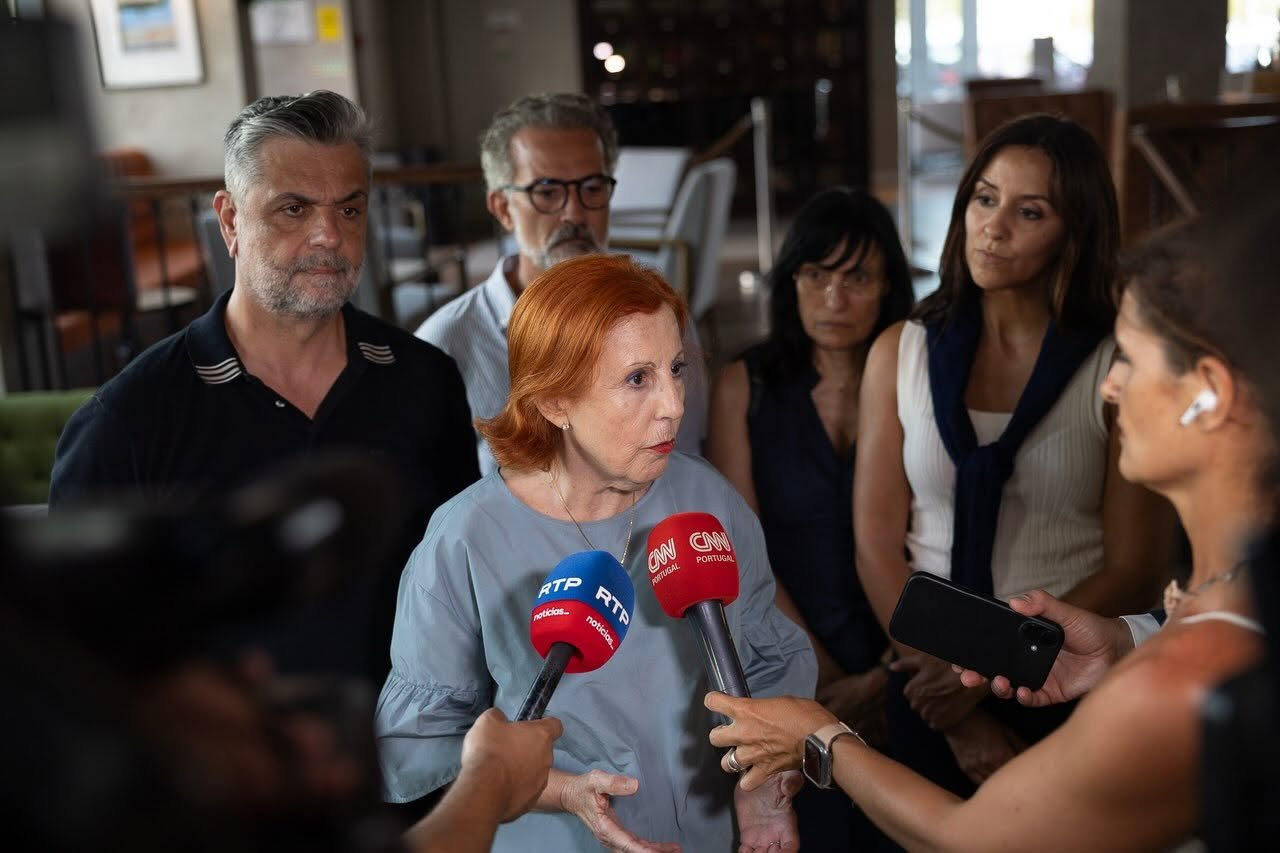
Speaking from Montemor-o-Velho on Monday, Minister Carvalho acknowledged the strong environmental opposition but remained steadfast in her belief that energy recovery presents the most appropriate path forward for the Algarve. “In this case – unlike the Alentejo, where an incinerator was not justified at all – given the volume of waste produced in the Algarve, where 85% of urban waste is currently being sent to landfill, it seems to us to be the most appropriate solution to resolve this problem,” she stated.
The controversy ignited following Minister Carvalho’s announcement in Faro on Saturday, confirming that the Portuguese Environment Agency (APA) would advance with preparations for a waste-to-energy facility in the Algarve. Crucially, no final location or technical solution has yet been decided. The minister revealed that the APA intends to launch a tender by October 15 for comprehensive studies to assess various solutions and potential locations for the facility.
In an effort to foster transparency and collaboration, Carvalho affirmed her commitment to engaging with environmental groups before any definitive decisions are made. “I always prioritise dialogue and will certainly listen to the environmentalists,” she pledged.
ZERO, however, maintains that the government’s focus should primarily be on reducing overall waste generation and significantly boosting rates of reuse and recycling. The association issued a stark warning: “The construction of a new incinerator is a bad decision for many reasons, including the diversion of vital financial resources away from a sector that requires significant investment to genuinely promote the circular economy.”
Tourism Drives Alarming Waste Volumes
The minister underscored the gravity of the Algarve’s waste challenge by presenting compelling statistics. On average, 2.4 kilograms of waste are generated per person per day in the region, a figure dramatically higher than the 1.4 kilograms recorded across mainland Portugal.
This significant disparity is largely attributed to the robust tourism sector. Studies cited by Minister Carvalho indicate that permanent Algarve residents generate approximately 1.7 kilograms of waste daily, whereas tourists produce an estimated 3.6 kilograms for every overnight stay. “We know that much of this difference is linked to tourism,” Carvalho acknowledged.
While reaffirming tourism’s vital contribution to the regional economy, the minister stressed the imperative of addressing its environmental impact. “We want tourism to be clean, green and waste-free,” she declared.
Ongoing discussions are planned between the government, APA, and the Algarve’s 16 municipalities, facilitated through the regional association AMAL. “The 16 mayors of AMAL want to resolve this issue in the best possible way, and both the APA and the Government are here to help them find the best solution,” Carvalho confirmed.
The proposed waste-to-energy plant emerges as the Algarve grapples with escalating pressure concerning landfill capacity and Portugal strives to meet ambitious European targets for increased recycling and a substantial reduction in municipal waste directed to landfills. The forthcoming tender for studies promises to be a critical step in determining the future of waste management in this vital Portuguese region.