







The Economics of Dairy Inflation in the Indian Context
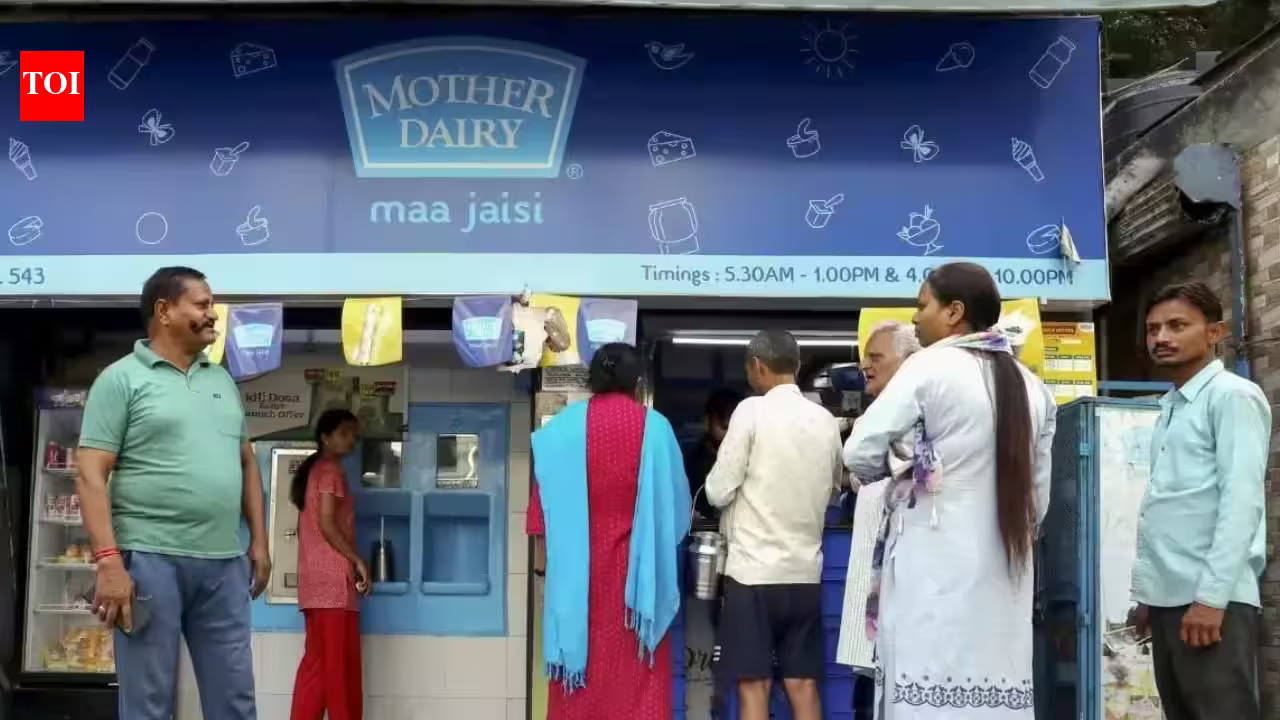
The recent decision by Mother Dairy to increase its liquid milk prices by Rs 2 to 4 per litre in the Delhi-NCR region highlights a recurring challenge in India’s agricultural supply chain. As one of the largest milk suppliers in the country, Mother Dairy’s price adjustments are not merely corporate decisions but are reflective of broader macroeconomic pressures affecting the dairy sector. The primary driver behind this hike is the rising procurement cost—the price the company pays to dairy farmers to acquire raw milk. In the Indian dairy business model, which often relies on a cooperative structure or a direct procurement mechanism, the end-consumer price is intrinsically linked to the financial viability of the rural farming community.
When input costs—such as fodder, veterinary care, and labor—increase, dairy cooperatives and private players find their margins squeezed. If these entities do not pass on these costs to the consumer, they risk the financial stability of the farmers, which could lead to a decline in milk production and future supply shortages. Mother Dairy, as a subsidiary of the National Dairy Development Board (NDDB), is particularly sensitive to this balance. By transferring approximately 75 to 80 percent of its milk sales realization back to the farmers, the company operates with a social mandate that prioritizes the livelihoods of rural producers alongside urban affordability.
Supply Chain Vulnerabilities and Procurement Pressures
India’s dairy sector is highly fragmented, with millions of smallholder farmers contributing to the national supply. This structure, while providing a massive base for production, makes the supply chain vulnerable to external shocks. Adverse weather conditions, such as the drought scenarios witnessed in states like Karnataka, significantly impact the availability of green fodder and water for livestock. When production drops, the competition for raw milk intensifies, forcing procurement prices upward.
The recent price hike by Mother Dairy, following a similar move by Nandini in Karnataka, signals a nationwide trend of inflationary pressure in the dairy industry. In Karnataka, the state government explicitly linked the price increase to the necessity of supporting farmers enduring drought-like conditions. This regional trend illustrates that dairy inflation is often a survival mechanism for the agricultural sector. If urban consumers in regions like Delhi-NCR or Bengaluru are unwilling or unable to absorb these costs, the risk of farmers diverting their supplies or exiting the dairy business altogether grows. For a company like Mother Dairy, which distributes over 50 lakh litres of milk daily, maintaining a steady supply chain requires managing these procurement peaks without alienating its massive consumer base.
Consumer Impact and Market Dynamics in Delhi-NCR
The Delhi-NCR market is unique due to its high density of middle-income consumers and the presence of diverse supply channels, ranging from traditional retail to modern e-commerce platforms. An increase of Rs 4 per litre on full cream milk represents a significant jump for household budgets that rely heavily on daily dairy staples. However, the market’s reaction is often buffered by the perceived necessity of the product. Milk is an inelastic good; demand does not drop sharply when prices rise, as it is a fundamental nutritional component of the Indian diet.
Despite this inelasticity, the timing and magnitude of price revisions are critical. Mother Dairy’s strategic approach of tiered price increases—differentiating between full cream, toned, and double-toned milk—allows the company to cater to various consumer segments. While full cream milk saw the sharpest increase, the milder adjustments on toned and double-toned varieties demonstrate an effort to keep basic nutritional needs accessible to lower-income households. This segmentation is a standard business practice in the Indian FMCG sector, ensuring that while the company captures value from premium segments, it does not completely exclude price-sensitive consumers.
Strategic Growth and Operational Resilience
Mother Dairy’s financial health provides context for its operational decisions. Reporting a turnover of Rs 20,300 crore in the previous fiscal year reflects a robust demand for its broader product portfolio, which includes edible oils (Dhara) and frozen fruits and vegetables (Safal). This diversification is essential for an organization that is inherently exposed to the volatility of raw milk prices. By cross-subsidizing operations through a wider range of products, the company can maintain a more stable footprint than a pure-play milk supplier might achieve.
The company’s growth rate of 17 percent highlights the increasing demand for processed and branded dairy products in urban centers. As India continues to urbanize, the reliance on organized dairy players over informal milkmen is increasing. This shift brings with it higher standards of quality and food safety but also ties the consumer more closely to organized retail pricing. The current price adjustment reflects the cost of maintaining this organized infrastructure, which includes large-scale processing facilities, cold-chain logistics, and widespread distribution networks that ensure a consistent, safe, and year-round supply of milk to millions.
Balancing Farmer Welfare and Urban Affordability
The central tension in the Indian dairy market remains the balancing act between fair compensation for farmers and the price ceiling acceptable to urban consumers. The government’s role, whether through state-led initiatives like those in Karnataka or national boards like the NDDB, is to ensure that the dairy economy remains attractive enough for the next generation of farmers to stay in the profession. Without consistent returns, the sector faces the risk of stagnation, which would ultimately lead to structural supply deficits and even steeper price spikes in the long run.
Looking ahead, the market can expect continued sensitivity in pricing as long as input costs remain volatile. Climate change and fluctuating fodder prices are becoming permanent features of the agricultural landscape in India. Therefore, efficiency in procurement, investment in cold-chain technology to reduce spoilage, and strategic product diversification will remain the cornerstones of successful dairy operations. For the consumer, while price hikes are unwelcome, they serve as a barometer for the underlying health of the rural economy, highlighting the direct link between urban dining tables and the pastoral landscapes that sustain them. The current revision by Mother Dairy is a reminder that the dairy sector is not immune to the inflationary trends gripping the broader economy, and that sustainability in this industry requires a shared contribution from both the producer and the end-user.
Disclaimer: This content is auto-generated for informational purposes only.
Source: Read Original News