








How Humble Gophers Jumpstarted Life on Mount St. Helens
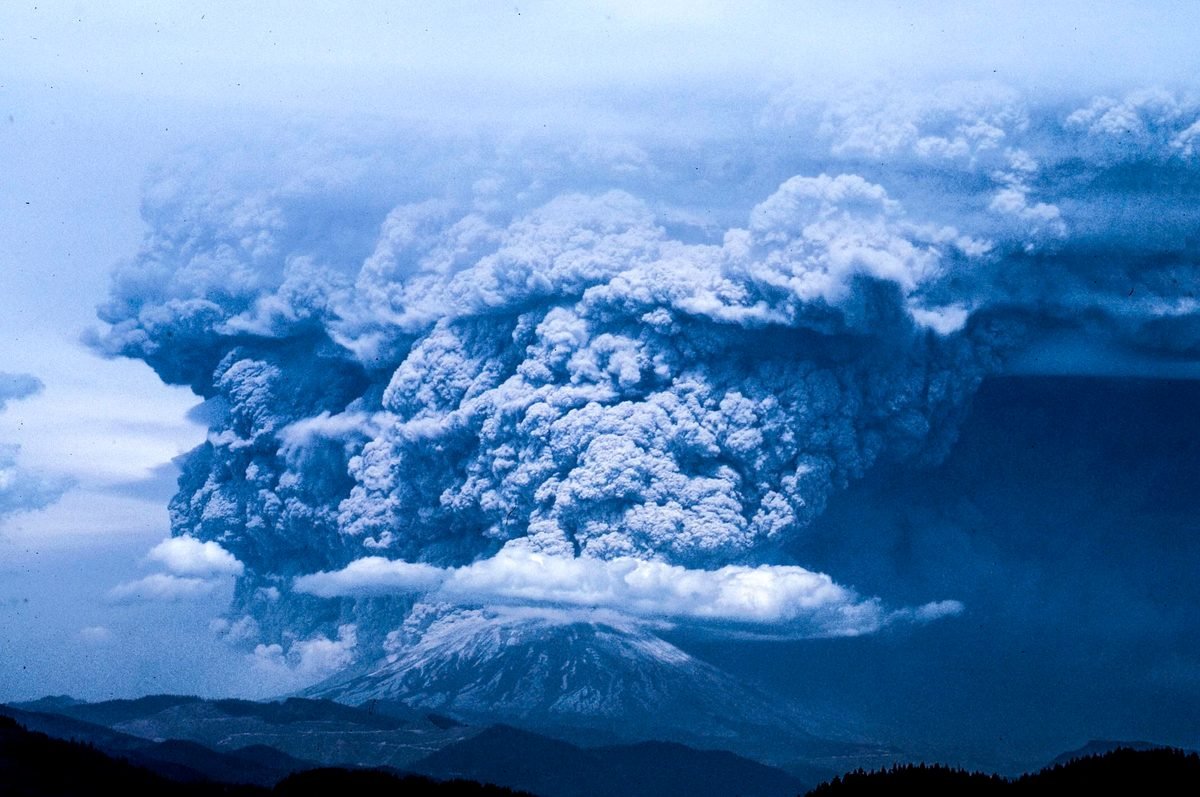
When Mount St. Helens erupted in 1980, the catastrophic explosion transformed a thriving landscape into a wasteland of molten rock and scorched ash. The searing heat incinerated everything in its path, leaving behind a barren, inhospitable terrain where scientists believed recovery might take centuries. However, a bold experiment involving a handful of burrowing rodents would eventually reveal the secret to the mountain’s rapid revival.
The Gopher Theory
In 1983, three years after the blast, researchers Michael Allen and James McMahon flew by helicopter to a desolate, pumice-covered stretch of the mountain. While bird-dispersed seeds were struggling to take root in the nutrient-poor soil, the scientists had a radical idea: they would introduce pocket gophers to the area.
Often dismissed as agricultural pests, gophers were viewed by the researchers as "ecosystem engineers." The team hypothesized that by tunneling through the ash, these rodents would bring buried, nutrient-rich soil—and the vital microorganisms trapped within it—to the surface.
The results were astonishing. Within just six years, the plots of land where gophers had been released were teeming with over 40,000 plants, while neighboring areas untouched by the animals remained barren. This surprising recovery is the subject of a recent study published in Frontiers in Microbiomes, which demonstrates that the rodents triggered a chain reaction of biological success that is still visible four decades later.
The Invisible Engine: Mycorrhizal Fungi
The true heroes of this revival are microscopic: mycorrhizal fungi. These organisms form symbiotic relationships with plant roots, trading essential minerals and water for the carbon they need to grow. In the harsh environment of a volcanic aftermath, these fungi provided the life-support system that allowed new plant life to gain a foothold.
"With the exception of a few weeds, there is no way most plant roots are efficient enough to get all the nutrients and water they need by themselves," explained Michael Allen, now a microbiologist at the University of California.
Lessons in Resilience
The research also highlights the importance of existing forest ecosystems in disaster recovery. Scientists observed that areas of the mountain which were previously "old-growth" forests saw a faster recovery because their existing soil microbes and fungal networks were already established. Conversely, areas that had been clear-cut prior to the eruption lacked these biological legacies, resulting in little to no regrowth even decades later.
"It was shocking looking at the old-growth forest soil and comparing it to the dead area," said co-author Emma Aronson.
This long-term study serves as a powerful reminder of the delicate, often invisible interdependencies that govern our natural world. As lead author Mia Maltz, a mycologist at the University of Connecticut, notes, the resilience of Mount St. Helens demonstrates that when we consider the health of an ecosystem, we must look far beyond what is visible to the naked eye. From the subterranean tunneling of a gopher to the vast networks of soil fungi, nature’s smallest components are often the architects of its greatest recoveries.