






NVIDIA Tightens Reins: Latest Driver Update Blocks RTX 5000 Series Power Limit Overrides
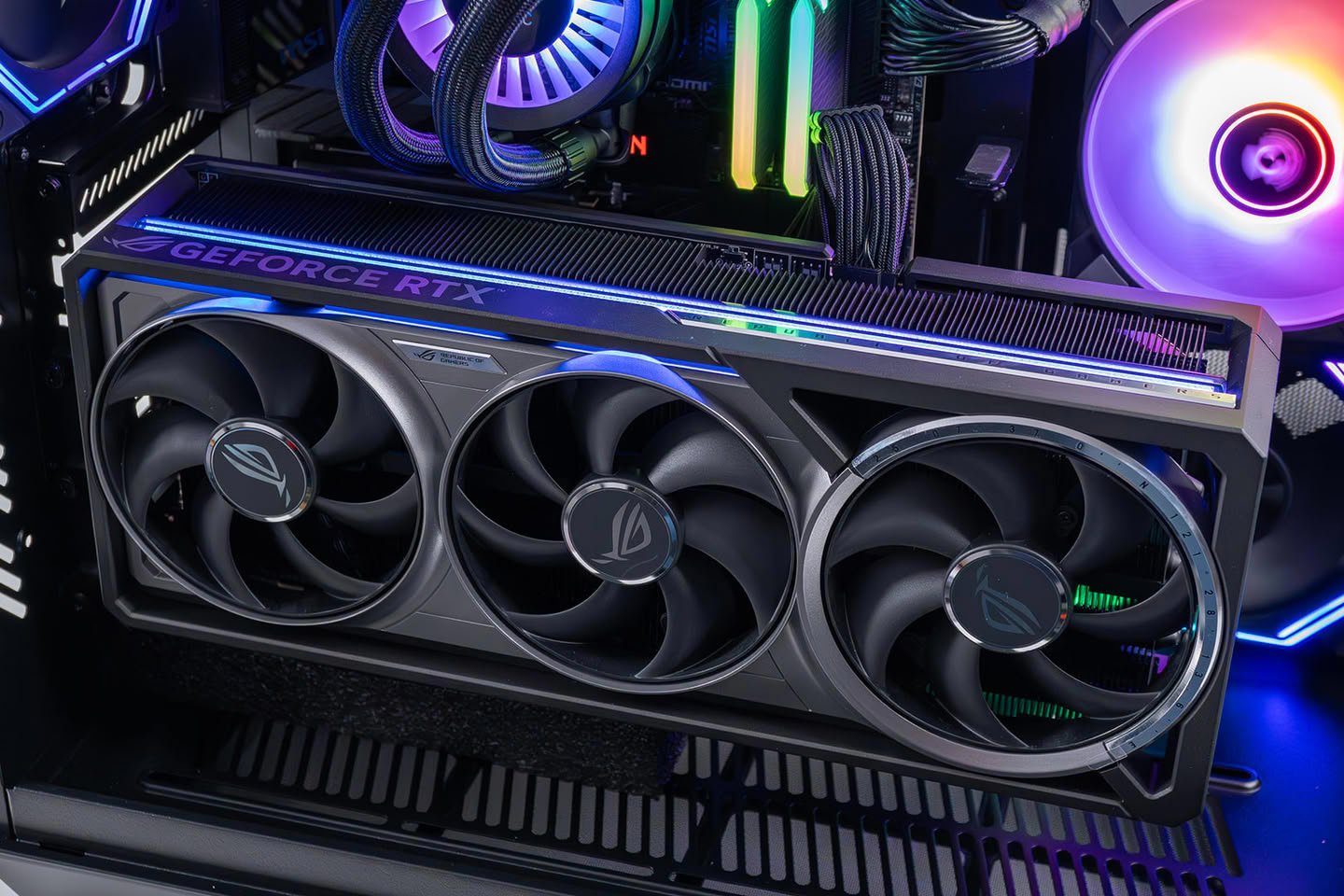
NVIDIA appears to have moved to restrict aggressive overclocking practices on its latest generation of hardware. Following the release of the 615.56 driver update, users are reporting that the popular open-source overclocking tool, mVolt+, no longer functions as intended for power limit manipulation on GeForce RTX 5000-series graphics cards.
The Rise and Fall of mVolt+
Previously, the enthusiast community celebrated the arrival of mVolt+, a utility that effectively bypassed NVIDIA’s strict power ceilings. This allowed high-end cards, most notably the flagship RTX 5090, to draw an additional 125W of power. For extreme overclockers, this bypass facilitated significantly higher core clock speeds, pushing the Blackwell architecture well beyond its factory-defined limits. RTX 5080 users also saw benefits, with reports of power draws reaching as high as 680W.
However, the landscape for these power-hungry configurations has shifted abruptly. According to discussions on the Overclock.net forums and corroborated by hardware analyst Uniko’s Hardware on X, attempting to adjust current input via mVolt+ while running driver 615.56 now triggers an immediate system response: the screen goes black, indicative of a severe driver crash or protection trigger.
Intentional Block or Compatibility Issue?
The industry is currently divided on whether this change represents a deliberate effort by NVIDIA to curb non-standard power tuning or if it is an accidental incompatibility introduced by the new driver.
Adding to the mystery is the performance of competing software. Reports suggest that a beta build of Hydra 2.3 currently maintains the ability to bypass core power overrides on NVIDIA GPUs, even with the 615.56 driver installed. This discrepancy suggests that while the specific method utilized by mVolt+ has been neutralized, the underlying hardware control may not be entirely locked down at the driver level.
Implications for Enthusiasts
For the time being, those who prioritize squeezing every possible megahertz out of their RTX 5090 or 5080 through software-based power limit modification are finding their options limited. As NVIDIA continues to refine its software stack, the ability for third-party tools to interact with the silicon’s power delivery system remains a cat-and-mouse game.
Whether this move is motivated by concerns over hardware longevity, stability, or power efficiency, it is clear that NVIDIA is taking steps to NVIDIA shuts down RTX 5000 power limit control, leaving power users to wait and see if future workarounds will emerge or if the era of easy, software-based power limit bypassing on the RTX 50-series has come to an end.