







Elected members have been given two weeks to come up with someone to lead them, or things could get much worse.
After no one was elected as Oldham Council’s leader on July 1, the local authority is still in limbo with officers continuing to use emergency powers just to keep services running.
Key political decisions cannot be made and multiple meetings have been cancelled as a result.
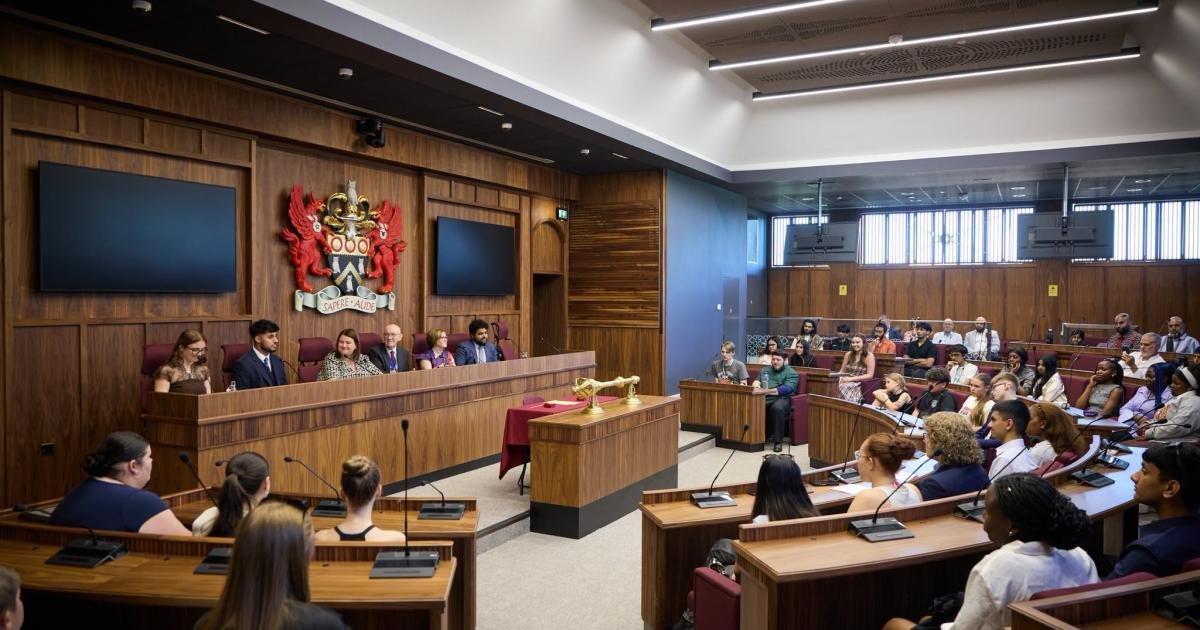
The recent local elections on May 5 left no party with a majority or even a third of seats in the council chamber.
Bids to lead the council put forward by Labour, Reform UK, and an alliance of different parties have all been rejected with everyone blaming each other for the deadlock.
Some progress has been made but the council is not able to function normally without a political leadership to drive the organisation forward.
One councillor suggested to the Local Democracy Reporting Service that the situation inside the council is now akin to ‘a poisoned lake’.
However, not much of the back and forth between elected members has happened in public, with the July 1 meeting only lasting half an hour.
While council meetings are only part of elected members’ jobs, much of the mudslinging has taken place elsewhere with little to no debate within the council chamber.
The Local Government Association is supporting every political group to see if there is a way forward.
However, the local authority could soon be at risk of expensive commissioners being brought in, who are public officials appointed by the UK government to take over the functions of the council.
Now a legal letter, seen by the LDRS, is understood to have been sent out on July 2 by the council’s top legal boss Alex Bougatef, the council’s monitoring officer, who said there is a legal duty for the council to have a leader elected by councillors as well as top councillor for children’s services.
Mr Bougatef said his letter was being sent out ‘to ensure every councillor is fully aware of the legal position, the governance risks, and the potential consequences of the council’s continued failure to comply with its statutory obligations’.
He said the UK Government’s advice is ‘clear’ the current situation does not comply with the law and ‘the current position is not sustainable beyond the very short term, and councillors’ continued failure to appoint a leader and key office holders is unlawful’.
He added: “Officers are currently relying upon emergency decision making powers which were not intended to operate over any period of time.
The longer the council remains without a leader, the greater legal uncertainty surrounding executive decision making and the greater the risk that decisions may be challenged.”
This could result in costs being awarded against the council in court, which would cost the taxpayer money. Mr Bougatef said the stalemate would also impact how the council’s delivery of children’s services is rated.
The next meeting to try and find a way through the deadlock is set for July 15.
After this date, Mr Bougatef said: “It will become increasingly difficult to demonstrate that councillors have taken all reasonable steps available to resolve the position. Councillors would be failing to act responsibly and the council will be operating unlawfully.’
He said he would then prepare a Section 5 report, which is produced when a council monitoring officer believes the council has or is about to break the law.
In a final plea, Mr Bougatef said: “Every councillor should therefore recognise that the appointment of a leader is no longer simply a political matter. It is a matter of legal compliance, statutory governance, and the council’s ability to continue operating lawfully.”