









BCG CEO: Modern Business Leaders Must Pivot Beyond Tariffs to Navigate ‘Permanent Instability’
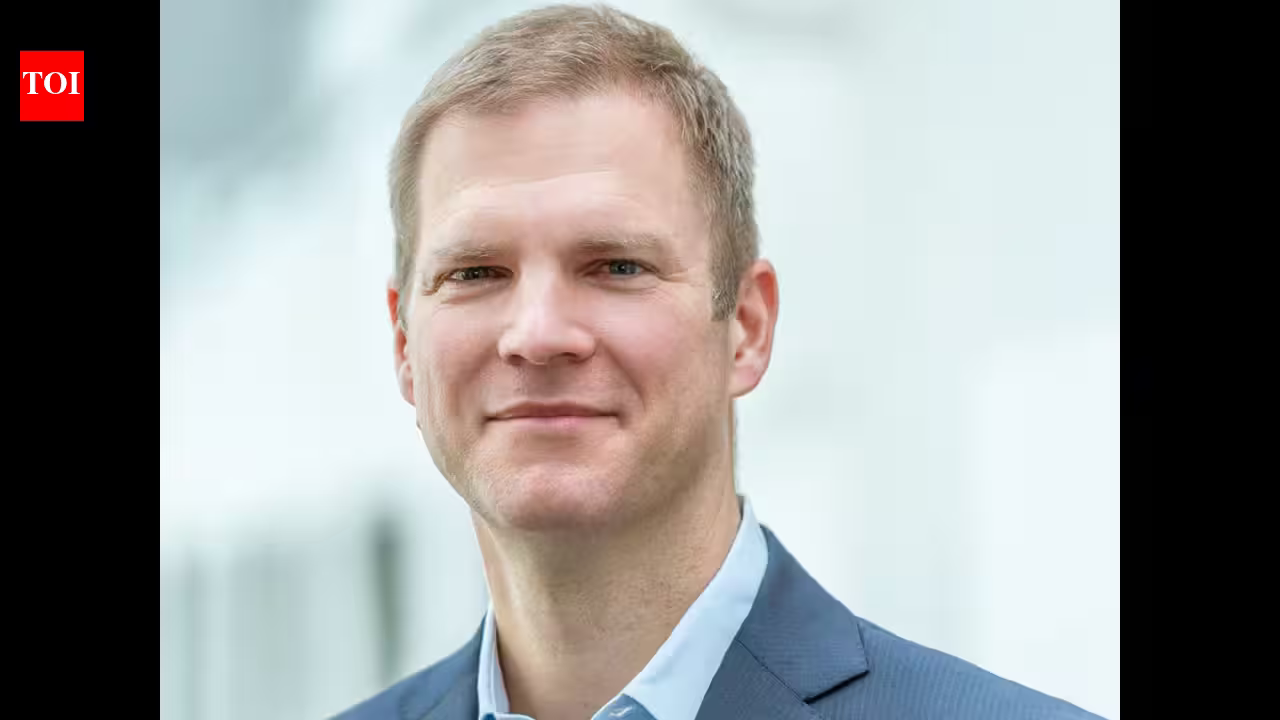
NEW DELHI – In an era defined by rapid technological disruption and fractured global relations, the traditional corporate playbook is being rewritten. Christoph Schweizer, CEO of the Boston Consulting Group (BCG), argued on Friday that today’s business leaders have moved past the hope for a return to normalcy, embracing a reality where geopolitical volatility and AI-driven change are the new constants.
Speaking at the ET World Leaders Forum, Schweizer suggested that while the headlines are often dominated by trade disputes, the focus on such friction is misplaced. He asserted that the element of tariffs is significantly "over-emphasised" in the current economic discourse.
"Global trade continues to grow," Schweizer noted, challenging the narrative that protectionist policies are strangling commerce. Instead, he argued, the real challenge for modern executives is deciphering the deluge of global information to make sound, timely decisions in a landscape where geopolitical stability can no longer be assumed.
The Death of the Long-Term Horizon
For decades, corporate strategy was predicated on the idea that political instability was cyclical—a phase that would eventually pass. According to Schweizer, that mindset is obsolete. "The generation of CEOs today has realized that things have changed," he said. "They know there won’t be a high degree of political and geopolitical stability."
As a result, the corporate "planning horizon" has undergone a radical compression. Rather than attempting to map out decade-long trajectories, successful firms are now focusing on windows of two to four years. By narrowing their focus, companies are better able to pivot in response to the "massive changes" spurred by artificial intelligence and shifting technological paradigms.
Speed as a Competitive Advantage
In this environment, the ability to execute is more vital than the ability to predict. Schweizer emphasized that the modern boardroom mantra must be centered on making better decisions and—more importantly—executing them with greater urgency.
"We need to be more than a little more agile and effective at getting stuff done," he told attendees.
For the contemporary C-suite, the integration of geopolitical analysis has become a permanent fixture of boardroom agendas. Rather than fearing the "un-easy world" they navigate, Schweizer noted that today’s leaders have begun to embrace the volatility. By shifting the focus away from the noise of trade politics and toward the signal of technological and operational agility, leaders are finding that survival in a dynamic, high-stakes global economy is not only possible—it is the new standard for excellence.