








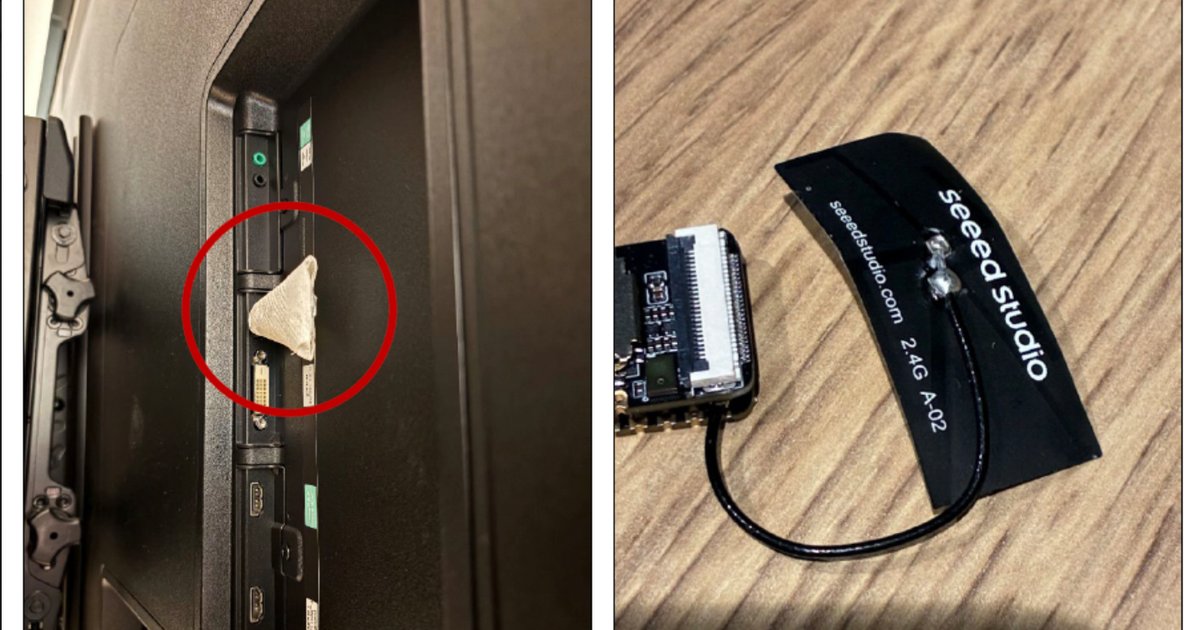
OpenAI engineer Abdulrahman Alfozan has been arrested and charged by the U.S. Department of Justice for allegedly planting a covert audio recording device inside one of the company’s executive conference rooms. The 35-year-old Saudi national, who joined the prominent artificial intelligence firm in July 2025, now faces federal charges for the attempted interception of oral communications.
The investigation into the incident began on September 30, when employees discovered a recording device stashed behind a television in a high-security meeting room. The device had been wrapped in toilet paper to conceal it and had been inserted directly into a USB port on the back of the display.
## Security Breach in a High-Stakes Environment
According to federal prosecutors, the targeted conference room was a hub for sensitive discussions, frequently hosting meetings regarding OpenAI’s product roadmap, proprietary research, and high-level business development strategies. In a statement addressing the breach, OpenAI confirmed it has terminated Alfozan’s employment and is cooperating fully with the FBI.
“We take protecting our technology, data, and people seriously, and as a matter of national importance,” the company said in a statement. OpenAI officials noted that, while the security of their internal facilities was compromised, there is currently no evidence suggesting that sensitive data, such as source code or model weights, was accessed or exfiltrated as a result of this specific incident.
## Digital Footprints and Physical Evidence
The federal criminal complaint reveals a trail of suspicious activity leading up to the discovery. Prosecutors allege that Alfozan utilized internal productivity tools to track the movements of company leadership, map out office layouts, and pinpoint the timing of meetings with external partners.
The digital trail extended to the suspect’s home life as well. Authorities identified search prompts linked to an account belonging to Alfozan’s spouse, which between September 24 and 30 explicitly queried methods for building, customizing, and remotely accessing audio recording hardware.
The physical evidence continued to mount after the initial discovery. Surveillance and security reports indicate that on October 5, Alfozan was observed returning to the conference room to check the area behind the television. Later that same day, after he left a personal bag unattended in a different room, security personnel discovered a second, similar recording device inside his belongings, along with his personal identification.
## The Broader Implications for AI Security
The incident underscores the growing focus on internal security within the rapidly evolving AI sector. As organizations like OpenAI, Google, and Anthropic race to dominate the artificial intelligence landscape, the protection of intellectual property has become a top priority.
The company emphasized that its security infrastructure is specifically engineered to defend against a diverse spectrum of threats, ranging from external nation-state actors to potential insider risks. “This case is an example of how AI can help address these sophisticated security threats,” OpenAI noted, hinting that their own internal detection capabilities played a role in identifying the breach.
FBI Director Kash Patel confirmed that the federal investigation remains active. Alfozan is currently in custody and is scheduled for a detention hearing in the U.S. District Court for the Northern District of California on October 19. While the case highlights the vulnerabilities inherent in even the most advanced tech companies, it also serves as a stark reminder of the intense scrutiny surrounding the human element of proprietary AI development.
Disclaimer: This content is auto-generated for informational purposes only.
Source: Read Original News