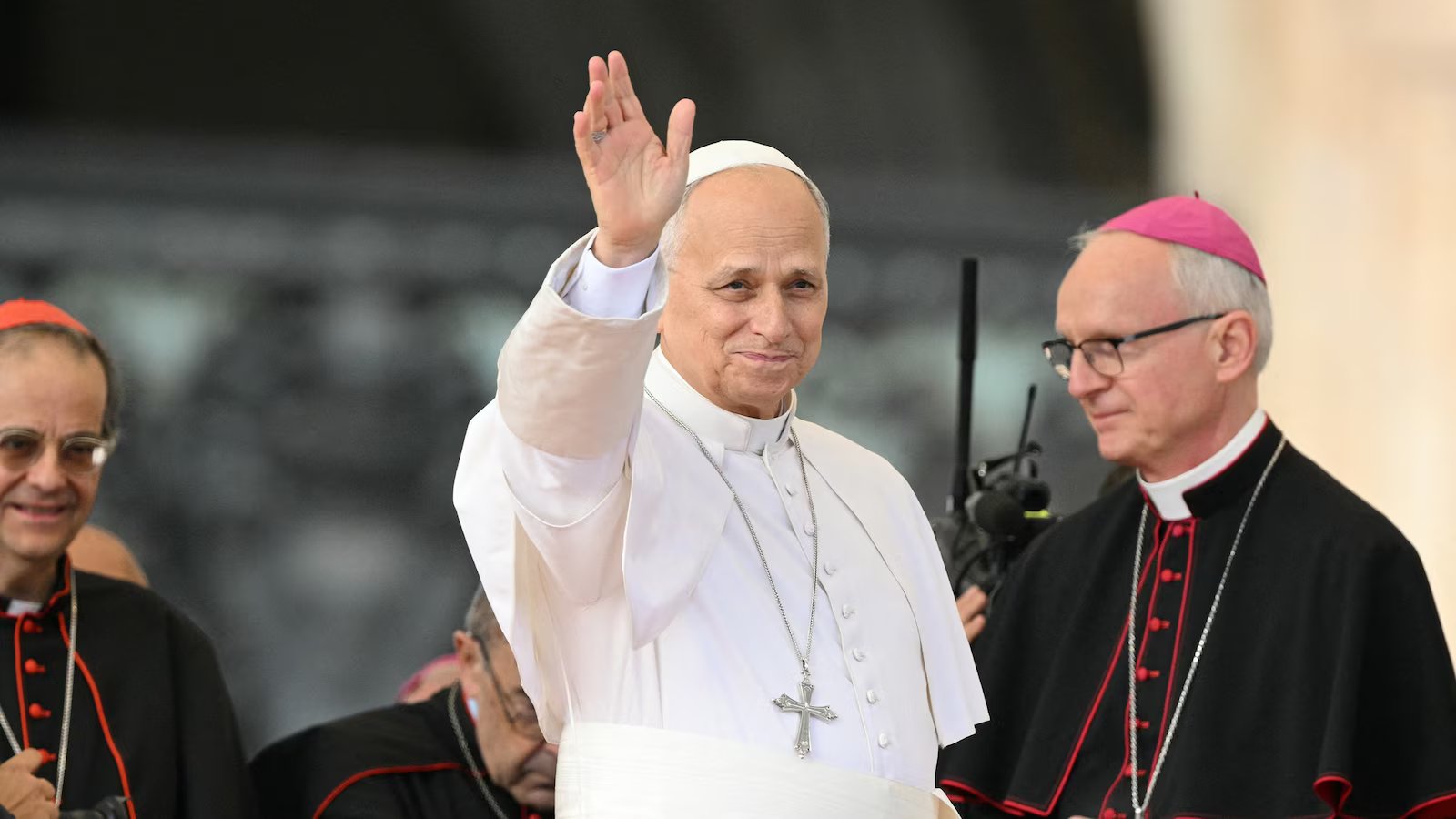







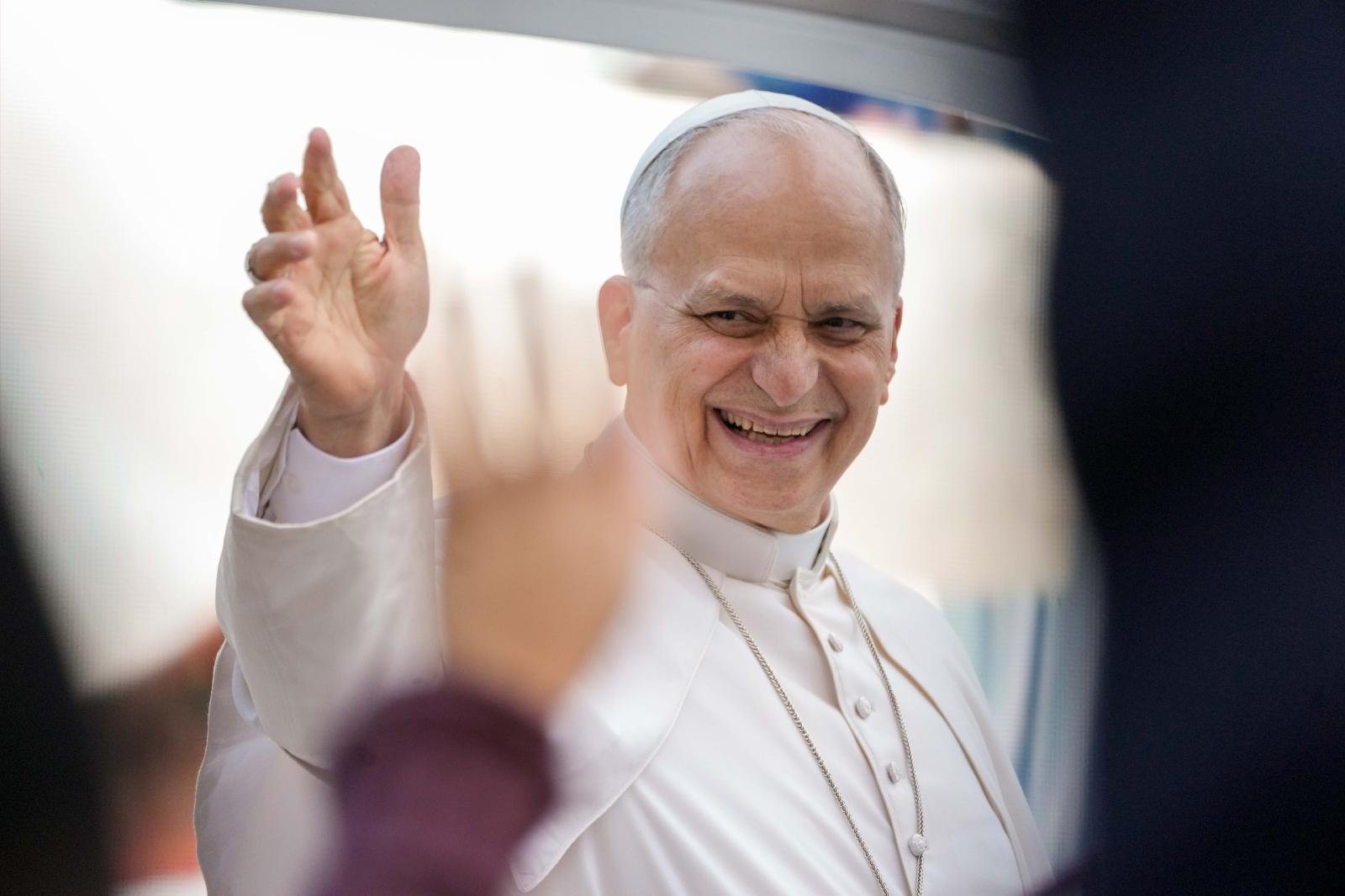
VATICAN CITY — In a welcome update that has brought relief to the faithful worldwide, the Holy See Press Office announced on Oct. 21 that Pope Leo XIV requires no further medical treatment following his successful lung cancer surgery earlier this month.
The announcement comes just over a week after the pontiff underwent a 90-minute, video-assisted procedure at Rome’s Gemelli Hospital on Oct. 13. Surgeons removed the lower lobe of the pope’s right lung after preoperative tests revealed a localized nodule. According to the official statement, final histological examinations and molecular biology tests have confirmed the mass was a “localized lung adenocarcinoma.”
Drs. Luigi Carbone and Stefano Margaritora, who oversaw the operation, confirmed that subsequent oncological evaluations determined the surgery was curative, sparing the 87-year-old leader of the Catholic Church from the need for chemotherapy or radiation.
Medical experts have responded to the news with optimism. Dr. Nirmal Veeramachaneni, a professor of cardiothoracic surgery at St. Louis University School of Medicine, described the prognosis as “excellent.”
“This is really good news,” said Dr. Veeramachaneni, who is not involved in the papal medical team but has reviewed the details provided by the Vatican. “The fact that they proceeded straight to surgery told me a lot. If they were concerned about the imaging, or if they thought this was a more advanced state of the disease, modern care would have meant chemotherapy up front.”
Because the cancer was caught at an early stage—avoiding lymph node involvement or significant tumor size—the pope’s recovery plan will now shift to a strategy of vigilance. Dr. Veeramachaneni noted that the primary requirement moving forward will be long-term radiographic follow-up, typically involving CT scans every six to twelve months for several years to monitor for any potential recurrence.
The diagnosis of lung adenocarcinoma—the most common subtype of lung cancer—initially came to light after the pope addressed the public during his Oct. 11 Angelus prayer, where he candidly informed the faithful of his diagnosis and the medical recommendation for intervention.
According to medical experts, adenocarcinomas begin in the glands lining the body’s organs and are often characterized as “non-small cell” cancers, which tend to grow more slowly than other, more aggressive forms of the disease. Dr. Stephen Liu of Georgetown University’s Lombardi Comprehensive Cancer Center noted that this type of cancer is frequently observed in patients without a heavy smoking history.
The Vatican’s latest update suggests that the surgical removal of the affected lobe was highly successful, allowing the Holy Father to transition into a recovery phase. With the medical team’s assurance that no further treatment is required, the focus now turns to his return to his full duties as the head of the Catholic Church.
Disclaimer: This content is auto-generated for informational purposes only.
Source: Read Original News