









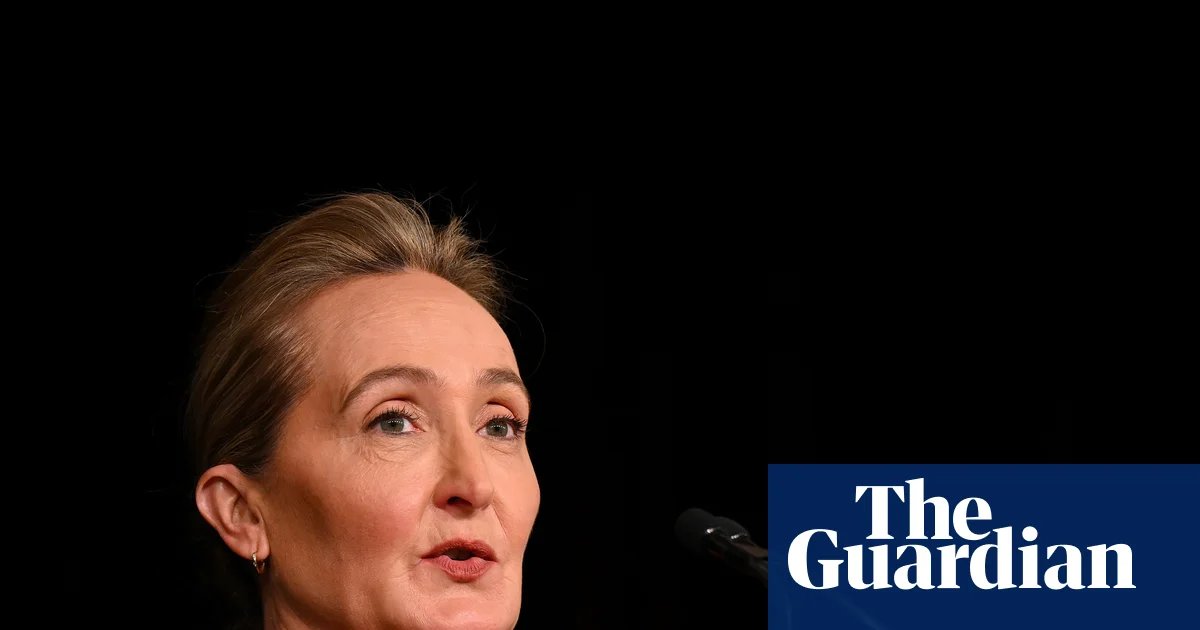
Qantas is set to cut 850 local jobs as part of a sweeping, AI-driven corporate overhaul, joining a growing wave of workforce reductions that are currently reshaping the Australian employment landscape.
The airline announced on Tuesday that it has signed a multi-year agreement with professional services firm Accenture to “modernise its back-end systems, processes and data.” As part of the strategy, Qantas will accelerate its investment in artificial intelligence, with many of the affected administrative functions—including finance, procurement, human resources, and marketing—to be transitioned to Accenture’s offshore teams in India.
Qantas chief executive Vanessa Hudson acknowledged the gravity of the decision, noting that the pace of technological disruption is unprecedented. “The scale and speed of change in this space is unprecedented and unlike anything businesses have seen in generations,” Hudson said. “We know this will be difficult news for some of our people and this decision is not a reflection of their contribution or commitment.”
The airline, which employs approximately 32,000 staff, plans to begin consulting with affected employees and unions immediately, with the first of the changes expected to take effect by mid-2026.
The announcement has sparked immediate backlash from unions, who have frequently clashed with the national carrier over past outsourcing maneuvers. The Australian Services Union (ASU) questioned the move, pointing to previous assurances from the airline that it had no intention of shifting further roles offshore.
“AI is having a huge impact on workers across the country, but the cost of technology change should not be borne by the workers who have kept the airline running for years,” said ASU assistant national secretary Scott Cowen. “Sending more jobs overseas is not in the spirit of Australia.”
Qantas’s move follows a bruising month for the Australian corporate sector. The airline’s restructuring marks the third major layoff plan announced in just three weeks, following significant cuts at National Australia Bank, which flagged 2,500 redundancies, and design giant Canva, which is set to cut or relocate 1,200 roles. Together, these three major employers have identified roughly 4,550 jobs for elimination or transition in less than a month.
These cuts arrive during a period of acute economic pressure. With the national unemployment rate hitting its highest level in nearly five years and living costs continuing to surge, the job losses have ignited concerns about labor market stability. A subdued domestic economy, exacerbated by elevated oil prices linked to the conflict in Iran, is forcing major firms to aggressively trim operational costs.
While Qantas has been hit by the volatility in fuel prices, it has seen some financial relief from a shift in consumer behavior, with passengers opting for direct flights to avoid stopovers in the Middle East. However, as the airline looks to tighten its belt through automation, the human cost of its modernization strategy remains a point of intense contention.
Disclaimer: This content is auto-generated for informational purposes only.
Source: Read Original News


