


As the temperature drops and we head into the heart of winter, many of us spend our time trying to keep our living spaces as cozy as possible. We layer blankets, keep the windows shut, and retreat to our bedrooms the moment the sun sets. However, while you are focusing on staying warm, there is an invisible intruder that might be setting up home in the most unlikely of places: right behind your bed.
The Hidden Problem with Your Bedroom Layout
Most of us prioritize aesthetics and floor space when arranging our bedroom furniture. It is perfectly natural to push a bed flush against an exterior wall to make the room feel more open and tidy. Unfortunately, this common habit can create a micro-climate that acts as a breeding ground for moisture.
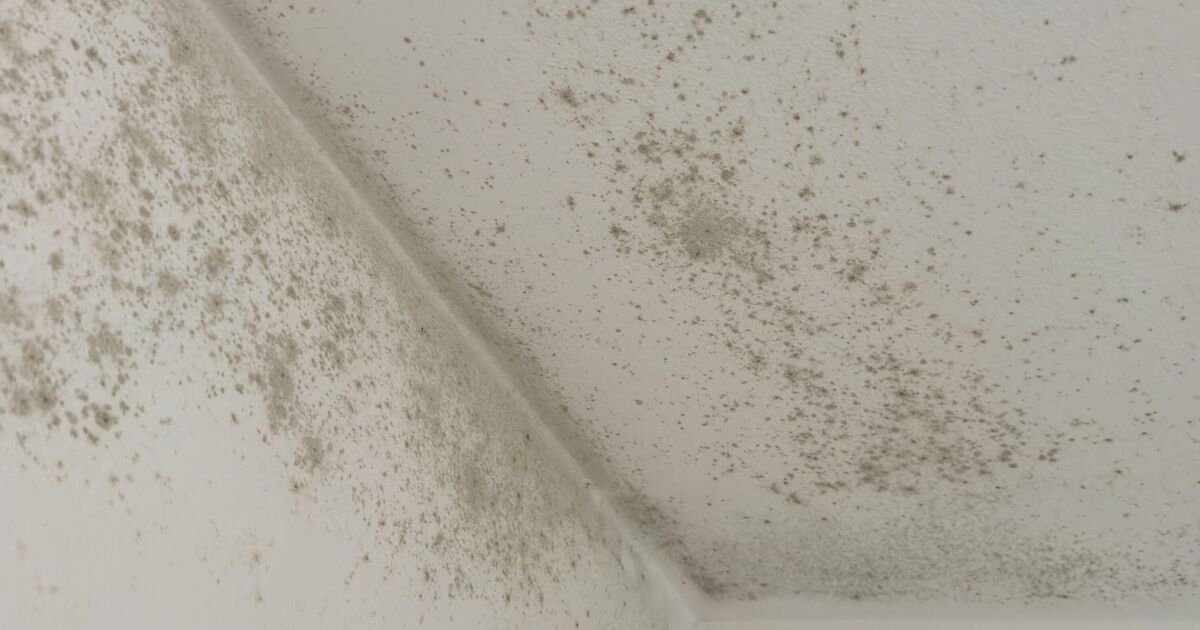
During the colder months, external walls are significantly cooler than the air inside your home. When the warm air you generate by sleeping, breathing, or simply heating the room comes into contact with those frigid surfaces, condensation forms. If you have a large headboard pressed tightly against that wall, that moisture has nowhere to escape. Without proper airflow, the area remains perpetually damp, creating the perfect conditions for dark, fuzzy patches of growth to thrive behind your furniture without you even knowing it is there.
Simple Steps to Boost Airflow
The good news is that you do not need to call in a professional or spend a fortune on fancy dehumidifiers to solve this issue. The most effective strategy is both free and easy to implement. Experts suggest creating a small buffer zone by pulling your bed—and any other large pieces of furniture—about three to four inches away from external walls.
This modest gap allows air to circulate freely. By letting the air move, you prevent stagnant pockets of moisture from settling against your plaster or wallpaper. It also protects your furniture. If you have an upholstered headboard, constant contact with a damp wall can damage the fabric and the structural integrity of the material over time. Taking a moment to nudge your bed forward ensures that your bedroom remains a healthy sanctuary rather than a damp trap.
Detecting Trouble Before It Spreads
Because we rarely move heavy furniture like beds or wardrobes, issues in these areas often go undetected until they become severe. It is helpful to adopt a proactive approach during the winter months. Do not wait for your annual spring cleaning session to peek behind your headboard; make it a part of your seasonal routine to check the area behind the bed at least once a month.
What exactly are you looking for? Start by using your nose. A persistent, slightly musty smell that lingers in the room despite regular cleaning is often the first indicator of a hidden issue. If you catch a whiff of something damp, it is time to move the furniture. Once you have a clear view of the wall, look for dark spotting, water streaks, or areas where wallpaper is beginning to peel or bubble. Additionally, inspect the back of the headboard itself. Upholstered pieces are particularly susceptible, so if you see staining or notice the fabric feels cold and clammy, you may need to take further action.
When You Need to Do More
It is important to remember that moving your furniture is a brilliant preventative measure, but it is not a cure for an existing infestation. If you discover active growth on your walls, simply moving the bed will not make it disappear. At that stage, you will need to clean the surface with appropriate products designed to neutralize the spores and address the source of the excess moisture.
Improving ventilation throughout the rest of your home is also essential. Try to keep doors open where possible to encourage airflow, and ensure that your bathroom and kitchen are well-ventilated after showering or cooking. By combining these small lifestyle shifts—creating a gap behind your furniture and staying mindful of your indoor air quality—you can ensure your home stays fresh, clean, and comfortable all winter long.
Disclaimer: This content is auto-generated for informational purposes only.
Source: Read Original News