







For decades, the National Film Awards have been the heartbeat of Indian cinema—a formal, prestigious affair usually tethered to the stoic architecture of New Delhi’s Vigyan Bhawan. It is the Oscars of India, a night where the corridors of power meet the glamour of the silver screen. However, this year’s announcement has disrupted that rhythm, creating a seismic shift that has left the industry buzzing, confused, and—predictably—deeply divided.
The decision to relocate the 72nd National Film Awards from the capital to Ekta Nagar, Gujarat, on September 22, 2026, was meant to be a celebratory moment. Instead, it has morphed into a flashpoint for a broader debate about cultural representation, industry contribution, and the politicization of artistic honors.
## The Architect of Dissent: Why Rahul Dholakia Sparked a Firestorm
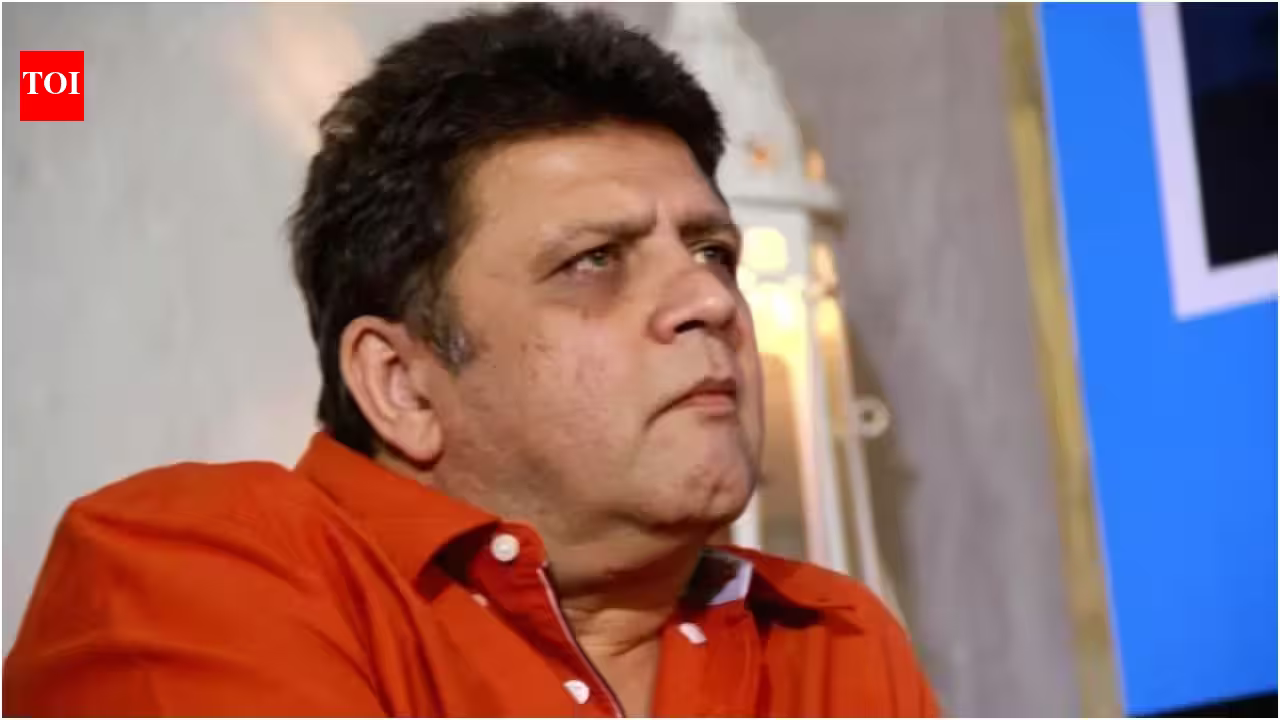
It didn’t take long for the industry to weigh in, but filmmaker Rahul Dholakia was the first high-profile voice to puncture the celebratory veneer. Taking to X (formerly Twitter), Dholakia did not mince words. His query—simple, pointed, and echoing through the timelines of many in the fraternity—was, “Why Gujarat?”
For Dholakia, the issue isn’t necessarily a sentimental attachment to Delhi. In fact, he readily admitted he has “no particular love lost” for the capital as a permanent host. Instead, his grievance is rooted in the perceived arbitrariness of the selection. If the government is intent on breaking a long-standing tradition of Delhi-centric ceremonies, he argues, then the decision should be grounded in merit and historical contribution to the medium of film.
“Why not give that honor to a state that has contributed to cinema?” he posed. His suggestions—Maharashtra, the cradle of Bollywood; Kerala, a titan of parallel and regional excellence; or Tamil Nadu, a powerhouse of production—underscore a widespread sentiment that the National Awards should be hosted where the craft is most deeply rooted. By choosing a site primarily known for the Statue of Unity rather than a filmic legacy, the government has inadvertently invited accusations of prioritizing optics over cinematic heritage.
## A Nation Divided: The Social Media Echo Chamber
As is standard in the modern era, the internet was quick to turn a policy decision into a cultural battlefield. The comments section under Dholakia’s posts transformed into a microcosm of India’s current political polarization.
On one side, defenders of the move argue that Ekta Nagar represents a modern, aesthetic, and “beautiful” destination, suggesting that those who criticize the location are simply blinded by political bias. One user urged Dholakia to “visit the locality” before casting stones, implying that the beauty of the venue outweighs the historical logic of the host state.
On the flip side, the dissenters are echoing a sentiment that has been bubbling for years: that the film industry is increasingly being viewed through a political lens rather than a cultural one. Critics of the move pointed out the stark reality of the film economy. With the bulk of revenue, production infrastructure, and creative talent flowing from the Mumbai-Hyderabad-Chennai nexus, moving such a significant event to Gujarat feels, to many, like a vanity project. The debate, once about the geography of an award show, has quickly spiraled into a heated discussion about regional representation and whether the state is using cultural institutions to project power in territories that lack traditional film-industry clout.
## The Shadow of the 72nd National Film Awards Ceremony
Amidst the swirling controversy, it is easy to forget that the primary purpose of September 22 is to honor the titans of the craft. The 72nd edition promises to be a star-studded affair, provided the attendees are willing to make the trek to Ekta Nagar.
The list of reported winners is nothing short of formidable. The Best Actor category is set to be a clash of generations and styles, with Kartik Aaryan—a star who represents the modern, box-office-driven era of Bollywood—sharing the stage with the legendary Mammootty, whose work remains the gold standard for regional acting brilliance. Yami Gautam, recognized for her Best Actress win, adds another layer of prestige to the evening, while Aditya Dhar’s recognition for Best Film and Rajkumar Periasamy’s award for Best Director solidify the current creative vanguard of the industry.
However, the question remains: will the controversy overshadow the accolades? In the past, the National Film Awards were about the quiet dignity of the work. This year, the work will be competing with the venue for headlines. When Randeep Hooda walks onto the stage for his Best Debut Film of a Director honor, will the focus be on his filmmaking prowess, or will the backdrop of the statue-dominated landscape serve as a constant reminder of the venue’s contested nature?
## Tradition vs. Transformation: A Permanent Shift?
The move to Gujarat poses a fundamental question for the future of Indian cinema’s biggest night: Is this a one-time experiment or a permanent shift? For years, the National Awards offered a sense of stability. By moving the ceremony, the Ministry of Information and Broadcasting is signaling a departure from the “Delhi-centric” model of governance, but in doing so, they have inadvertently highlighted the gap between the government’s vision of India and the film industry’s self-perception.
If the goal of the organizers was to showcase a new, vibrant India, they have succeeded—though perhaps not in the way they intended. They have forced a conversation about who owns the National Film Awards: the state that funds them, or the creators who fuel them?
As September 22 approaches, the industry remains in a state of uneasy anticipation. For many, the trip to Ekta Nagar will be a professional obligation. For others, it will be a quiet demonstration of their discomfort with the changing landscape of national honors. Regardless of one’s stance on the venue, one thing is certain: the 72nd National Film Awards will be remembered not just for the films that won, but for the location that caused the industry to stop and ask, “Why?”
Disclaimer: This content is auto-generated for informational purposes only.
Source: Read Original News