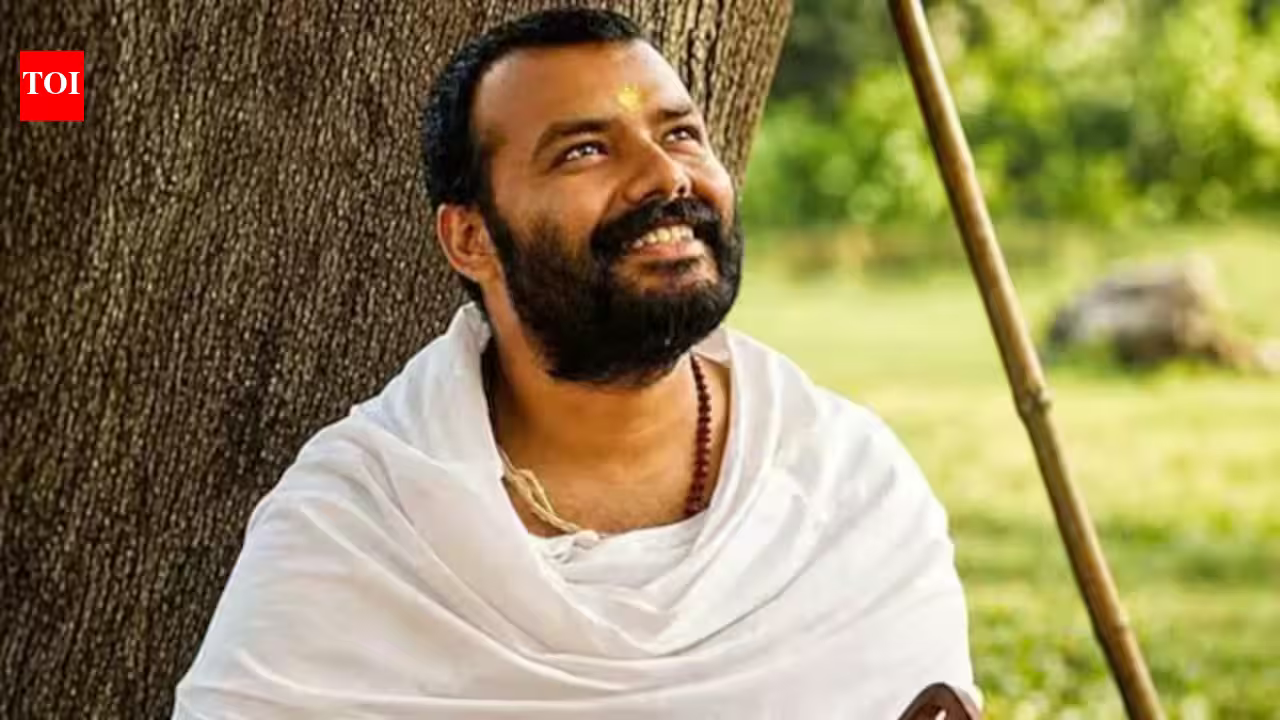







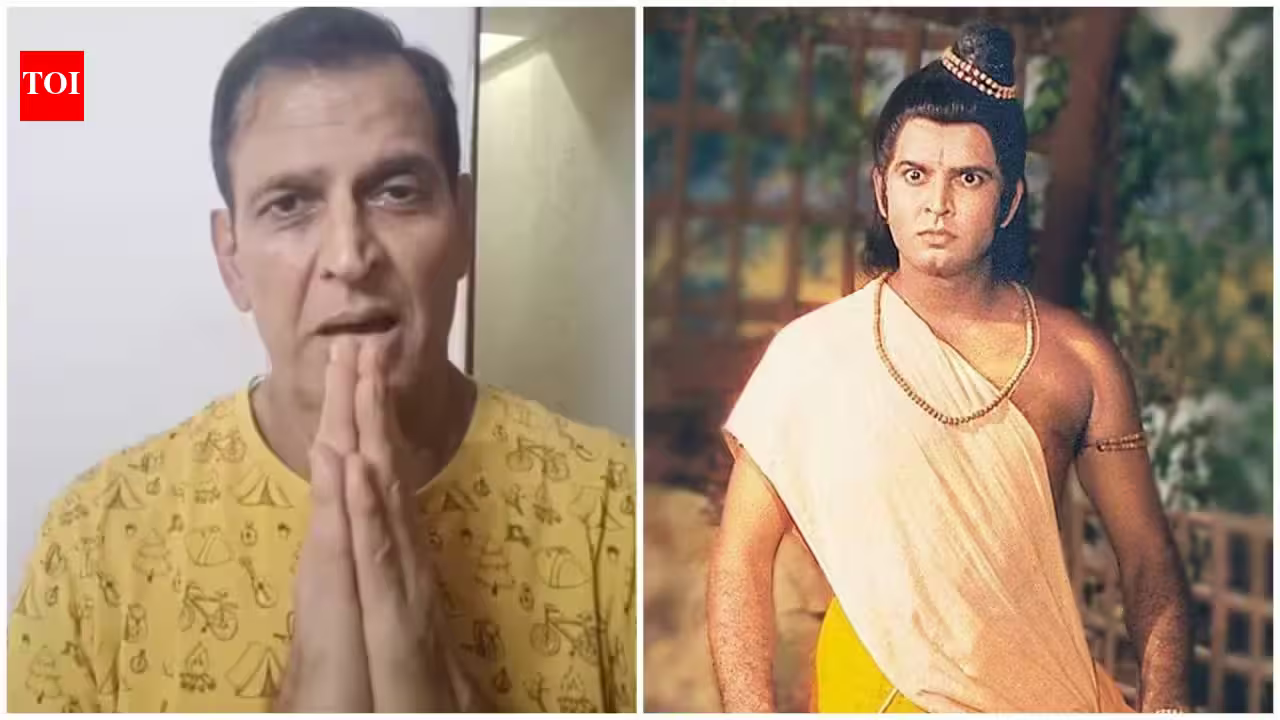
Sunil Lahri, renowned for his iconic portrayal of Lakshman in Ramanand Sagar’s celebrated television series Ramayan, has ignited a fervent discussion with his recent observations concerning the younger generations. The seasoned actor utilized his official X account to disseminate a video, in which he vocally challenged the contemporary labels assigned to youth, specifically "Gen Z" and "Gen Alpha." Lahri articulated his concern that these classifications are fundamentally incongruous with Indian culture, suggesting that such terminology inadvertently fosters a chasm between successive age groups.
Lahri passionately contended that society ought to prioritize language that cultivates proximity and understanding between generations, rather than contributing to an increasing sense of alienation. He underscored the critical imperative of safeguarding India’s rich cultural heritage and traditional values, or sanskar, even as the nation navigates the complexities of modernity. To this end, he proposed a significant educational reform: the integration of elements from the time-honored Gurukul system into contemporary schooling. This initiative, he believes, would serve to inculcate essential values such as respect and discipline among children, thereby strengthening their connection to their roots.
In his compelling video address, Lahri questioned the origin and appropriateness of labels like "Gen Z" and "Gen Alpha," asserting, "Gen Z, Gen Alpha, ye kis tarah ke shabdon se hum apni aane wali generation ko sambodhit kar rahe hain? Ye hamari sanskriti nahi hai. Is shabd se hum apni aane wali generation ko apne se door kar rahe hain" (Gen Z, Gen Alpha, with what kind of words are we addressing our coming generation? This is not our culture. With this word, we are distancing our coming generation from us). He further elaborated, "Humein us tarah ke shabdon ka prayog karna chahiye jisse aane wali generation hamare nazdeek aaye aur hum unhe apni sanskriti aur apne sanskaron se avagat kara sakein" (We should use words that bring the coming generation closer to us so we can acquaint them with our culture and values).
The actor continued by extolling India’s profound civilizational legacy, stating, "Kehte hain na ki duniya ki sabse purani aur sabse rich sabhyata aur sanskriti Bharatiya hai" (It is said that the oldest and richest civilization and culture in the world is Indian). He concluded his appeal by prompting a collective reflection on how modern educational paradigms can be reconciled with the preservation of traditional values, reiterating that Gurukul-inspired learning could be instrumental in instilling respect and discipline in young minds.
In a supplemental post across his social media platforms, Sunil Lahri succinctly encapsulated his argument with the caption: "Gen-Z, Gen Alpha jaise shabd hamari sanskriti nahi hain. Uchit shabdon ka chayan hi aadhunikta hai. Hamare Bharatiya sanskaron ko bachane ke liye Gurukul paddhati ka pathyakram zaroori hai" (Words like Gen-Z, Gen Alpha are not our culture. The selection of appropriate words is modernity. To save our Indian values, a Gurukul-based curriculum is necessary). This post rapidly became a focal point for public discourse, eliciting a spectrum of sharply divergent perspectives. While many users resonated with Lahri’s appeal for younger Indians to remain anchored to their cultural foundations, others expressed skepticism regarding his critique of the "Gen Z" and "Gen Alpha" terminologies. These terms are globally recognized and typically denote generational cohorts based on their birth years and the prevailing socio-technological milieus of their upbringing. Lahri’s concern, however, appeared to transcend the technical definitions, focusing instead on the perceived cultural estrangement that such labels might engender.
Sunil Lahri’s enduring public presence is largely attributed to his pivotal role as Lakshman in Ramanand Sagar’s Ramayan, which first graced television screens in 1987. In this groundbreaking production, Arun Govil impeccably embodied Lord Ram, while Dipika Chikhlia brought Mata Sita to life. Lahri’s nuanced depiction of Lakshman garnered widespread acclaim, becoming one of the most indelible performances in the history of Indian television. The show’s monumental legacy endures, commanding a fervent following decades subsequent to its inaugural broadcast. The series experienced a remarkable resurgence during the 2020 COVID-19 lockdown, achieving massive television success once more and thereby introducing its iconic narrative and characters to an entirely new generation of viewers. Lahri himself remains highly active on social media platforms, regularly sharing video content, cherished personal anecdotes, and insightful commentaries on diverse subjects pertaining to Indian culture, societal dynamics, and current affairs.
Beyond his cultural commentary, Lahri has also garnered considerable attention for his recent outspoken support of Prime Minister Narendra Modi. In another video circulated on X, the actor lavishly praised PM Modi, highlighting what he perceived as the Prime Minister’s magnanimous capacity for forgiveness, even in the face of acerbic criticism directed at himself, his deceased mother, and the Indian armed forces. Lahri articulated, "Pranam doston, hamare maananiya Pradhan Mantri ka kitna bada dil hai. 20 tareekh ke aandolan mein unki swargiya mataji, unhe aur hamari sena ko logon ne kitna bhala-bura kaha. Uske bawajood unhone sabko maaf kar diya. Agar unki jagah koi aur hota to kadi se kadi saza deta. Ye unka badappan hai" (Greetings friends, how big-hearted our honorable Prime Minister is. In the protest on the 20th, people said so many bad things about his late mother, him, and our army. Despite that, he forgave everyone. If it were anyone else, they would have given the harshest punishment. This is his greatness).
He then invoked a traditional aphorism concerning forgiveness, remarking, "Is situation mein mujhe ek purani kahawat yaad aa gayi — ‘Kshama badan ko chahiye, chhotan ko utpaat. Ka Rahiman Hari ko ghataiyo, jo Bhrigu maari laat’" (In this situation, an old saying came to my mind — ‘Forgiveness is for the great, mischief is for the small. How can the punch of Bhrigu diminish Hari?’). Lahri continued to extol Modi, asserting, "Aise Pradhan Mantri ji ko mera koti-koti naman. Hum bhagyashali hain ki humein aise Pradhan Mantri mile jo duniya ke liye tough master hain, lekin hamare liye aur apne deshvasiyon ke liye mom hain" (My heartfelt salutations to such a Prime Minister. We are fortunate to have a Prime Minister who is a tough master for the world, but like wax for us and his countrymen). He acknowledged that his viewpoints might not resonate universally but expressed indifference to potential criticism, concluding his video with well wishes for happiness and health, and the resounding declaration, "Jai Shri Ram." These diverse engagements highlight Lahri’s continued influence and his active participation in both cultural and political dialogues, keeping him a prominent figure in the entertainment landscape and beyond.