







Sony Tells Court That Digital Game Buyers Shouldn’t Expect True Ownership
As the gaming industry leans heavily into an all-digital future, a brewing legal battle has highlighted the stark difference between what gamers think they are buying and what they actually receive. Sony Interactive Entertainment is currently defending itself against a class-action lawsuit, arguing that the expectation of owning a digital game is fundamentally unreasonable.
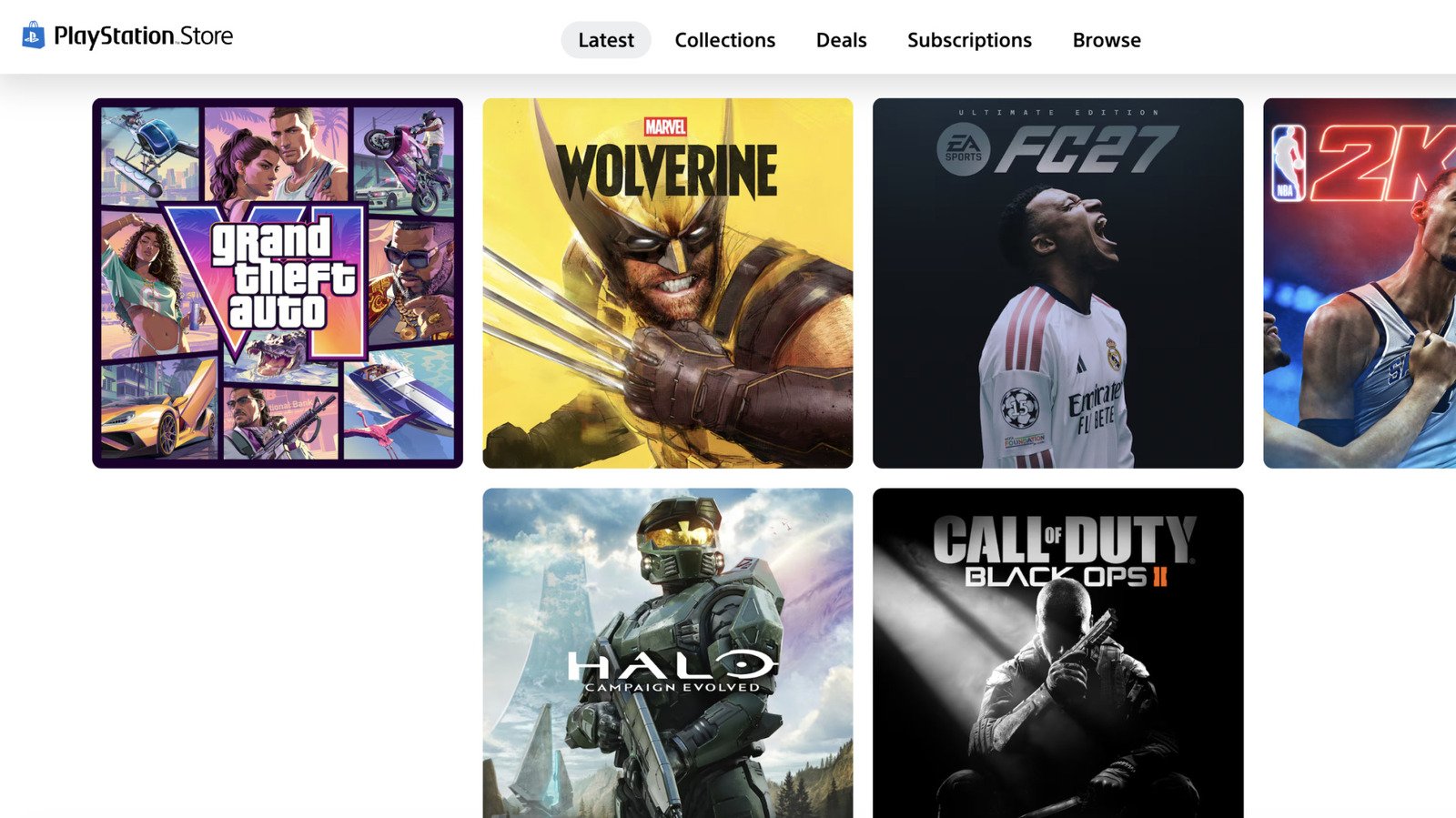
The dispute stems from a lawsuit filed in California this past June, which accuses Sony of misleading consumers by using terminology like “purchase” and “buy” on the PlayStation Store. Plaintiffs argue that these terms imply legal ownership, yet Sony fails to clearly disclose that customers are merely acquiring a revocable, limited license to play the software.
The “License, Not Sold” Defense
In a court filing submitted on August 21, Sony pushed back against these allegations. The company contends that it is common knowledge in the modern digital age that software is licensed rather than sold. Sony argues that the very nature of digital distribution—where multiple users can purchase the same title simultaneously—precludes the possibility of individual ownership, a concept that fundamentally differentiates digital storefronts from the sale of physical discs.
To support this, Sony pointed to its own PlayStation Store Service Agreement (SPLA), which explicitly states that software is licensed to the user. “In the digital age, it is not plausible to allege that reasonable consumers believed they were obtaining ‘ownership’ of a digital game,” Sony stated in the document.
The company provided a practical example to bolster its defense: if a user truly “owned” a digital copy of a game in the traditional sense, that copy would be unique. Because multiple people can purchase the same game simultaneously from the PlayStation Store, Sony argues that it would be physically and legally impossible for these users to own the software in the way they might own a physical copy.
A Tense Transition to Digital
The lawsuit arrives at a sensitive time for the gaming giant. Sony has recently faced significant backlash over its roadmap to phase out physical, disc-based game production by 2028. As the company pushes toward an all-digital ecosystem, the question of what happens to a user’s library if their account is terminated or a store is taken offline has become a primary concern for the gaming community.
The plaintiffs argue that Sony intentionally hides the reality of these transactions within complex terms of service that users are not required to actively review or acknowledge at the point of sale. They claim this lack of transparency is a violation of California consumer protection laws.
The Aftermath
While the court has yet to issue a ruling, Sony appears to be taking proactive measures to clarify its position. Following the filing, the company sent out mass communications to PlayStation users, reiterating that all digital content is strictly licensed.
Whether this defense will satisfy the court remains to be seen. However, the case serves as a sharp reminder for the modern gamer: in the current legal landscape, the “Buy” button on your console may be little more than a temporary invitation to play, rather than a permanent acquisition of property.