








The Strategic Rationale Behind Potential Export Duties
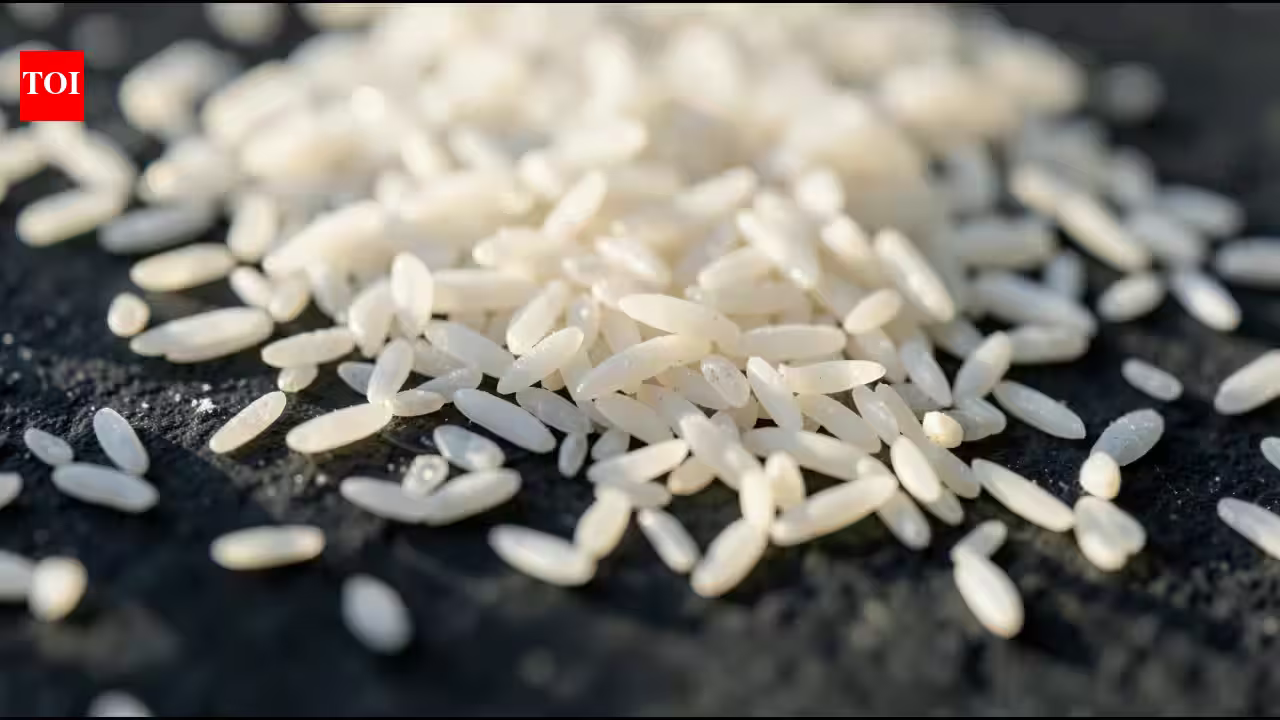
The Indian government is currently evaluating the implementation of a 20 percent export duty on specific rice varieties, a move primarily aimed at recalibrating domestic supply chains and mitigating inflationary pressures. As the world’s largest exporter of rice, India’s policy shifts resonate globally, affecting commodity prices and agricultural trade dynamics. The proposed duty focuses specifically on 100 percent broken rice and select premium non-Basmati varieties. This regulatory attention arrives at a time when domestic industries, particularly those reliant on feedstock, are facing mounting operational costs due to price volatility in these segments.
The primary objective of this policy consideration is domestic price stabilization. By imposing a 20 percent duty, the government intends to disincentivize excessive exports of these specific grains, thereby retaining a larger portion of the harvest within the country. This is not merely a macroeconomic calculation but a microeconomic intervention to protect local industries such as poultry and cattle feed manufacturers. These sectors have reported substantial strain, as the rising price of broken rice—a key input component—has directly impacted their profit margins. By curbing exports, the government aims to increase local availability, which should theoretically depress prices for these domestic users.
The Balancing Act: Food Security Versus Export Revenue
The deliberation process reveals the inherent tension between maintaining India’s dominance in the global rice market and ensuring national food security. Historically, India has leveraged its surplus production to become a price leader, often outcompeting suppliers like Thailand, Vietnam, and Myanmar due to its cost-efficient production models. However, the government must navigate the optics of being a global breadbasket while managing localized scarcities.
While certain government officials emphasize the necessity of these measures to support domestic industries, others in the export sector argue that the current supply metrics do not justify such restrictive actions. With state reserves of rice, including unmilled paddy, reaching an all-time high of 55.3 million metric tonnes as of November 1, the argument for keeping export channels open remains strong among traders. Industry stakeholders contend that the country possesses more than enough inventory to meet both domestic requirements and international commitments. They warn that artificial barriers to trade might disrupt the supply chain, lead to inventory pile-ups, and hinder the clearing of older stock to make space for the incoming harvest.
Global Market Implications and Competitor Dynamics
Any restriction on Indian rice exports acts as a catalyst for shifts in global market shares. Because India is the dominant price setter, its export duties create a vacuum that competitors are eager to fill. Rivals such as Thailand and Vietnam, which have periodically struggled to match the competitive pricing of Indian rice, stand to gain significant market penetration if Indian supplies become costlier due to tax levies.
Market analysts suggest that while an export duty might slow down the pace of Indian shipments, it may not halt them entirely. The underlying competitiveness of Indian rice—driven by large-scale production and sophisticated logistics—often remains resilient even when facing a 20 percent tax premium. However, the move is likely to force international buyers to reassess their procurement strategies. Countries heavily dependent on Indian rice, particularly in parts of Africa and Asia, may see a rise in their import costs. This secondary effect necessitates that the Indian government proceed with careful calibration to ensure that these measures do not result in a long-term erosion of India’s footprint in key export markets.
Addressing Structural Shortages in Specific Segments
A nuanced aspect of this situation is that the volatility is not uniform across all rice categories. The government’s proposal is highly targeted, focusing on broken rice and premium non-Basmati grades. The demand for broken rice has seen a surge due to its utility as a low-cost ingredient in animal feed, while premium non-Basmati varieties have faced localized supply tightness in southern Indian states.
This granular approach reflects a move toward precision agriculture policy. Instead of a blanket ban or broad duty, the government is looking at surgically intervening in the markets where price signals are most concerning. By isolating these specific varieties, the administration hopes to appease the poultry and livestock industries without dismantling the broader export ecosystem that benefits Indian farmers and processors. However, this raises questions about enforcement and the potential for traders to pivot toward other varieties, which could create a ripple effect of rising prices across different rice categories if not managed with stringent oversight.
Future Outlook and Stakeholder Considerations
As the government continues to consult with relevant ministries and industry bodies, the final decision will likely depend on the upcoming harvest yields and the trajectory of internal food inflation. The tension between the agricultural trading community, which advocates for unrestricted market access to maximize returns for farmers, and the industrial manufacturing sectors, which demand price controls on raw materials, remains the central pivot of this policy debate.
For the Indian business landscape, this situation serves as a reminder of the volatile nature of commodity-driven economies. Companies operating in the agricultural sector must prepare for a shift toward more interventionist trade policies aimed at protecting the domestic consumption base. Whether the 20 percent export duty is ultimately implemented or replaced by a more flexible tariff structure, the underlying message is clear: the government is prioritizing the insulation of the domestic market against international supply pressures. Stakeholders throughout the rice value chain—from millers and warehouse operators to exporters—must integrate this regulatory uncertainty into their business planning, diversifying their portfolios and strengthening their domestic relationships to hedge against potential changes in export policy.
In conclusion, the decision to impose duties on specific rice varieties is a complex administrative challenge. It represents a significant effort to reconcile the need for global export leadership with the imperative of protecting local industries from cost-push inflation. As India moves forward, the success of this potential policy will be measured by its ability to cool domestic price spikes without causing significant long-term damage to the country’s stature as the world’s leading rice supplier. Maintaining transparency and consistency in these trade policies will be essential to sustain the confidence of global partners and the viability of domestic agricultural enterprises.
Disclaimer: This content is auto-generated for informational purposes only.
Source: Read Original News