






The Strategic Evolution of Samsung Hardware
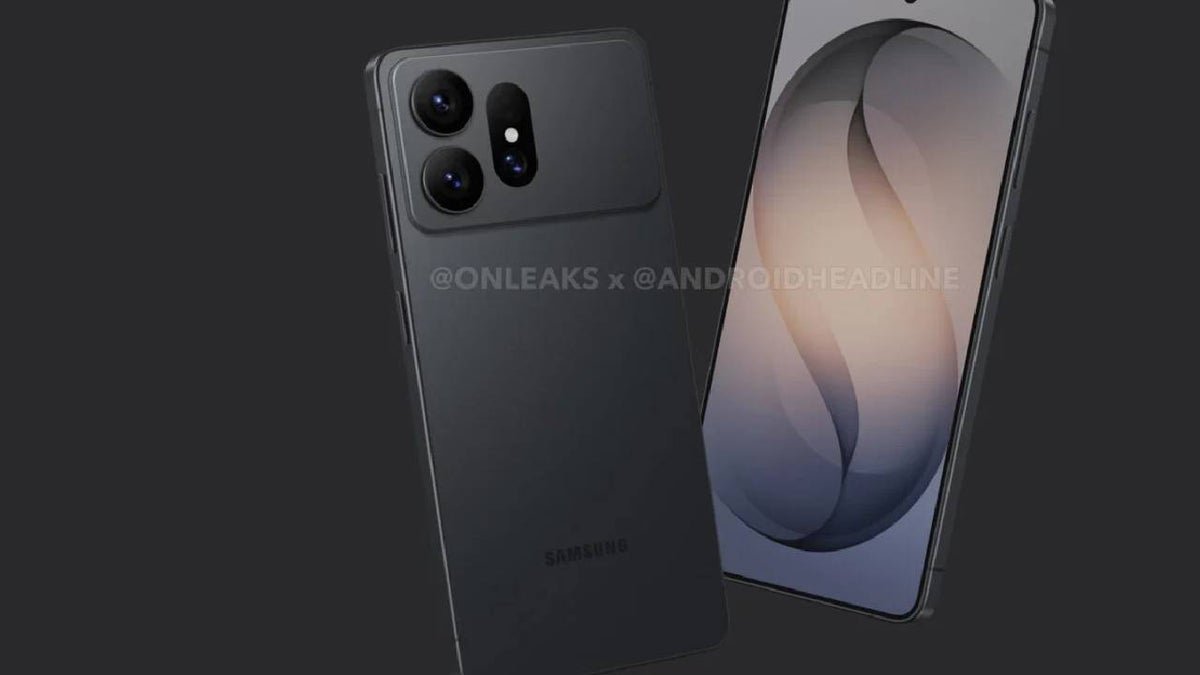
The mobile industry is currently witnessing a shift in how manufacturers prioritize internal component quality over purely cosmetic design changes. Recent industry reports suggest that Samsung is preparing a significant hardware architecture adjustment for its upcoming flagship, the Galaxy S27 Ultra. While the company has faced criticism for perceived stagnation in specific hardware metrics, the next iteration of its premium handset aims to align more closely with the technical benchmarks set by competitors, particularly the iPhone series. This transition focuses on memory management and processing efficiency, addressing the growing demand for on-device artificial intelligence capabilities.
The primary objective for Samsung appears to be a recalibration of how memory bandwidth influences system stability. By refining the integration between the application processor and high-speed memory modules, the manufacturer seeks to minimize latency in complex tasks. This adjustment is not merely a specification bump but a fundamental change in how the device handles large datasets, which is essential for the increasing prevalence of generative models that operate locally on a mobile handset.
Memory Architecture and Performance Throughput
At the center of these updates is the expected inclusion of advanced LPDDR6 memory standards. Historically, mobile devices have relied on LPDDR5X, which, while capable, occasionally encounters bottlenecks when tasked with simultaneous multi-threaded processing. The transition to LPDDR6 is engineered to provide the throughput necessary for seamless multitasking and the heavy computational load of high-fidelity mobile gaming.
For the average user, the impact of this upgrade will manifest in improved application responsiveness. When a device executes sophisticated background processes, such as photo editing, video rendering, or real-time language translation, the memory interface acts as a gatekeeper. By widening this gateway, Samsung is positioning its next Ultra device to process information faster than its predecessors, ensuring that the system remains fluid even when multiple demanding applications are active. This shift is critical for maintaining parity with industry standards, where memory efficiency has become a defining characteristic of high-end computational hardware.
Optimizing the Application Processor
Complementing the memory updates are modifications to the system-on-chip configuration. The focus here is on thermal management and power distribution. In previous generations, sustained peak performance often resulted in thermal throttling, where the device proactively reduces clock speeds to manage heat generation. Samsung is reportedly working on a more robust cooling architecture, utilizing high-conductivity materials that distribute heat away from the primary processing cores.
This technical improvement serves a vital purpose for power users who leverage their mobile devices for professional workflows. Whether it is compiling code, managing complex spreadsheets, or processing large-scale local AI models, the ability to maintain peak clock speeds for extended durations is a tangible advantage. By decoupling performance from the rapid heat accumulation typical of smaller form factors, the Galaxy S27 Ultra aims to sustain consistent frames per second in gaming and shorter render times in creative applications, bridging the gap between mobile utility and desktop-class performance expectations.
Enhancements in Image Signal Processing
Beyond processing power, the S27 Ultra update emphasizes the capabilities of the image signal processor (ISP). The ISP is the engine behind computational photography, responsible for interpreting sensor data to create finalized imagery. Samsung is expected to integrate a new generation of sensors that communicate more effectively with the ISP, allowing for higher bit-depth processing and faster noise reduction algorithms.
This update directly affects how the camera system handles low-light conditions and high-dynamic-range scenes. By improving the speed at which the hardware captures and processes multiple exposure frames, the device can effectively eliminate motion blur in challenging environments. Furthermore, the updated hardware pipeline supports more advanced computational techniques, such as real-time object tracking and depth mapping, which remain essential for professional-grade portraiture and video stabilization. These refinements ensure that the hardware serves as a reliable foundation for the complex software-based enhancements that distinguish modern photography.
The Long-Term Impact on the Mobile Ecosystem
The implications of these hardware updates extend beyond the specific device, potentially influencing broader industry trends. As Samsung adopts these higher standards for memory and thermal efficiency, it compels other manufacturers to iterate on their own internal architectures. This competitive pressure drives innovation across the board, ultimately benefiting the consumer by accelerating the adoption of faster, more efficient technologies in lower-tier devices as those components eventually become more accessible.
Moreover, these changes reflect a broader transition in mobile computing. Smartphones are no longer just communication tools; they are primary computing hubs. The integration of advanced memory standards and thermal management systems marks a shift toward a future where the device can handle heavier local computation without external assistance. By investing in the fundamental architecture of the S27 Ultra, Samsung is preparing its ecosystem for an era defined by persistent connectivity and sophisticated, localized processing power. This strategic pivot ensures that the brand remains a dominant force in the high-end market, satisfying the demands of power users who require reliable, high-performance hardware for their professional and recreational activities.
Disclaimer: This content is auto-generated for informational purposes only.
Source: Read Original News