








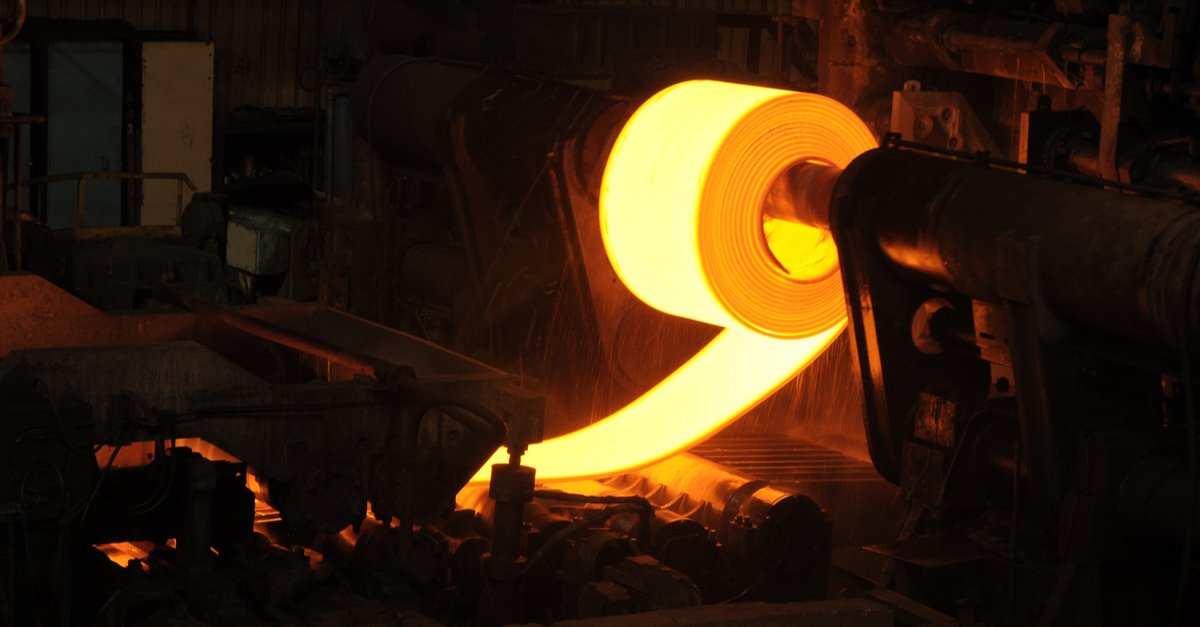
India’s Minister of Steel, H.D. Kumaraswamy, recently stated that steel will be central to the nation’s energy transition, according to a report by the Economic Times. Speaking at an industry conference, Kumaraswamy highlighted the critical role of steel in supporting renewable energy infrastructure, battery plants, and hydrogen projects.
The minister emphasized India’s strong position as the world’s second-largest steel producer, asserting its capability to meet both rising domestic demand for steel products and global requirements for green steel. He reiterated India’s national objective of achieving 300 million tonnes of steel production capacity by 2030, with a commitment to environmentally sound practices.
Kumaraswamy noted, “Steel has become the cornerstone of the global energy transition. The future of the steel sector will be determined not only by production capacity, but also by sustainable development, competitiveness and technological progress.”
He further elaborated on India’s strategic initiatives driving industrial transformation, including the PM E-DRIVE scheme, which aims to foster comprehensive electric mobility ecosystems, and the Production-Linked Incentive (PLI) scheme, designed to promote advanced-chemistry battery manufacturing.
The minister stressed India’s ambition to develop robust, self-sufficient manufacturing ecosystems that create value and generate employment. He articulated a vision for India to transcend its role as a mere consumer of clean energy technologies, advocating for the nation to become a leading global manufacturer of the equipment, materials, and technologies essential for the global energy transition.
This announcement comes as India continues to expand its steel production capabilities, having granted permits to increase steel production capacity by 11.6 million tonnes between April and June.