








Supreme Court Demands Permanent NEET Reforms, Puts NTA on Notice
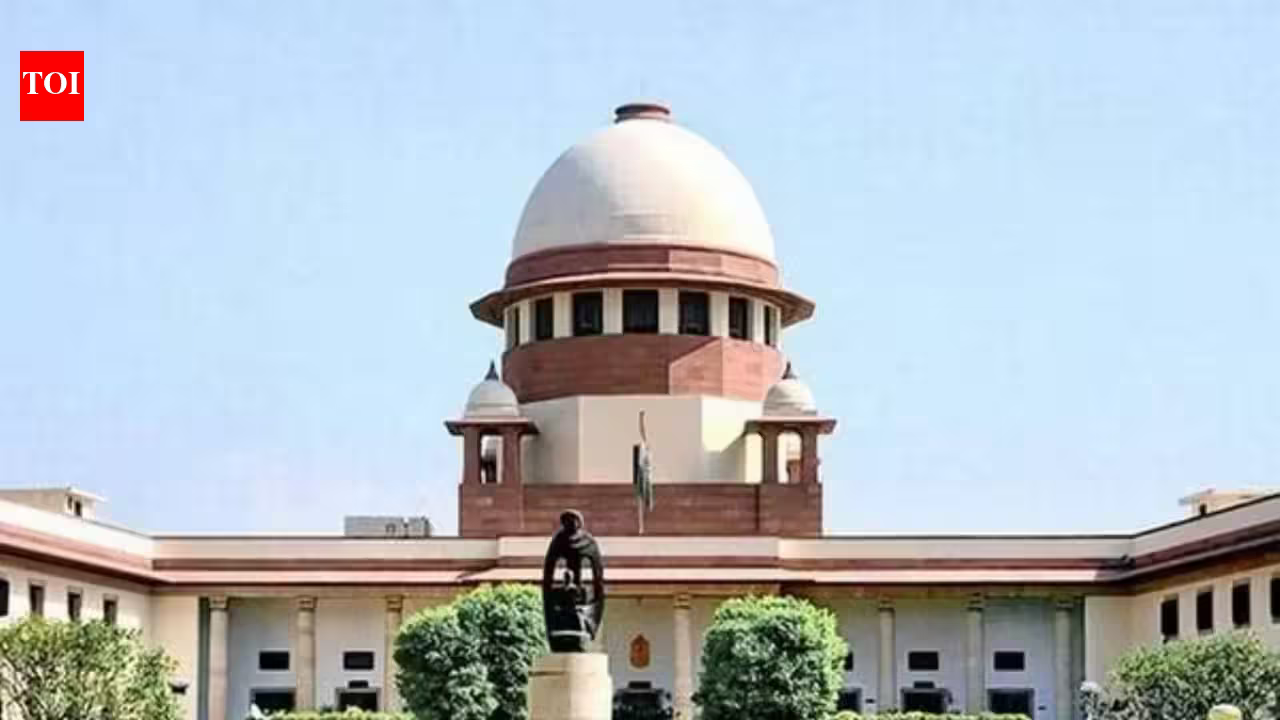
NEW DELHI – The Supreme Court of India has issued a stern directive to the National Testing Agency (NTA), demanding a comprehensive report on the concrete steps taken to implement recommendations for overhauling the country’s examination system. In a significant move on Wednesday, the apex court emphasized that reforms in the highly contentious National Eligibility-cum-Entrance Test (NEET) must be institutionalized and permanent, moving beyond "ad-hoc measures" introduced only after controversies erupt.
A bench comprising Justices PS Narasimha and Alok Aradhe instructed Solicitor General Tushar Mehta to submit a fresh affidavit detailing the NTA’s adherence to the recommendations. This directive comes in response to multiple petitions seeking structural reforms within the NTA, following a series of controversies that have plagued the NEET-UG examinations, raising serious questions about the integrity of the testing body.
The court’s insistence on "institutionalized" changes underscores a growing judicial impatience with temporary fixes. This observation is particularly relevant as the government concurrently moves to fortify question-paper security, enhance scrutiny mechanisms, and streamline administrative processes within the NTA.
Court Seeks Action on Expert Recommendations
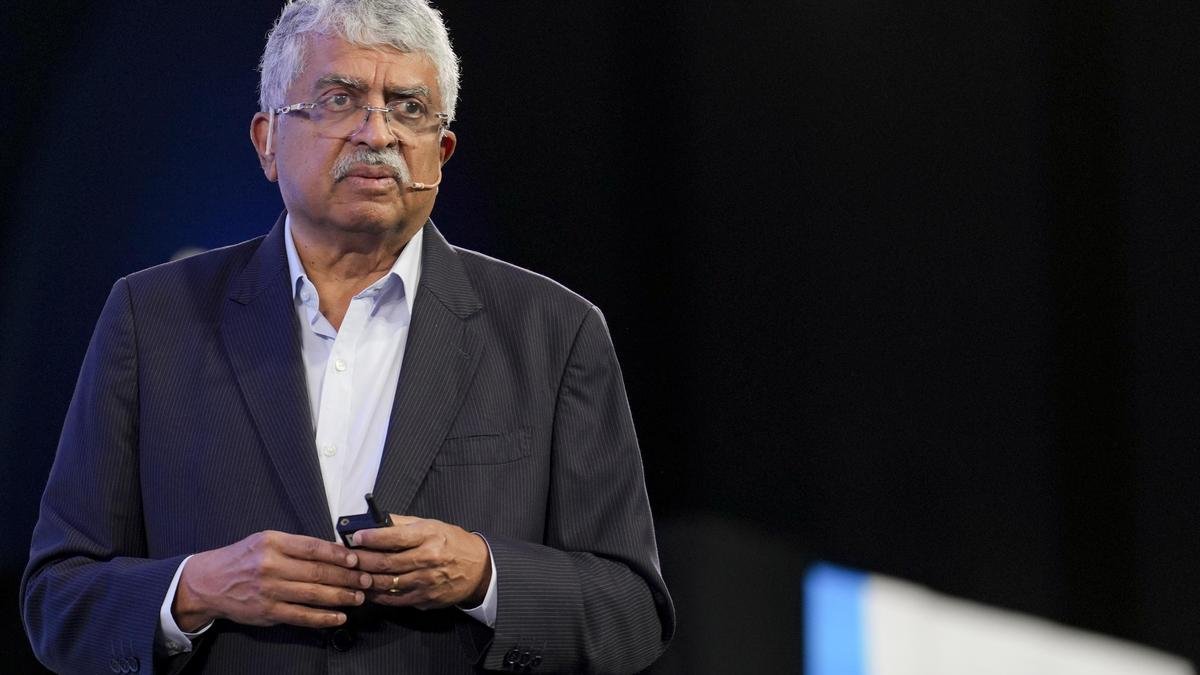
At the heart of the Supreme Court’s demand is the implementation of recommendations put forth by two key expert bodies: a committee chaired by former ISRO chairman K Radhakrishnan and a task force led by technology titan Nandan Nilekani. The Radhakrishnan committee, formed in the wake of the 2024 NEET-UG controversy, was tasked with identifying vulnerabilities in the examination process and proposing measures to boost security, transparency, and the overall functioning of the NTA.
The court’s latest intervention marks a shift from merely acknowledging proposed reforms to requiring tangible evidence of their execution. This places the burden squarely on the NTA to demonstrate that these expert recommendations have translated into actionable, long-lasting changes.
Centre Details Safeguards Amidst Scrutiny
In its submission to the court, the Centre outlined various safeguards already in place for the meticulous preparation and secure transportation of NEET question papers. The government explained that subject matter experts and moderators collaboratively develop questions for a common question bank. Crucially, these experts are kept unaware of which specific questions will ultimately be selected for the final examination paper, a mechanism designed to prevent any individual from gaining prior access to the complete test.
Furthermore, the court was informed that vehicles tasked with transporting sensitive question papers are equipped with GPS devices, enabling real-time monitoring of their movement. However, the Supreme Court’s continued emphasis on institutional reforms suggests that these individual safeguards, while important, may not fully address the deeper concerns surrounding the credibility of high-stakes examinations like NEET.
Sweeping Personnel and Procedural Changes Within NTA
In a significant internal shake-up, the Centre has initiated a series of changes within the NTA. Approximately 600 subject experts previously associated with the agency’s examination work have been removed, with a fresh cohort of experts being integrated into the system. An additional 20 to 25 officials are anticipated to join the agency over the coming weeks, signaling a comprehensive overhaul of its human resources.
To further bolster the integrity of the examination process, the NTA is introducing a four-tier question-paper scrutiny system. This enhanced protocol aims to meticulously identify and rectify any factual inaccuracies, typographical errors, linguistic inconsistencies, or translation-related issues before the question papers reach candidates. This builds upon the existing process, which already incorporates the expertise of subject matter specialists, psychometricians, and multiple rounds of review.
Enhanced Security Measures for NTA Offices
As part of the comprehensive reform effort, the NTA’s offices are slated to be relocated from Okhla to the Government of India Press building on Minto Road in central Delhi. This move is accompanied by plans to significantly strengthen security at NTA premises, including the deployment of Central Industrial Security Force (CISF) personnel. These measures are a direct response to recurring concerns over paper leaks, systemic errors, and mismanagement that have marred several major examinations, including NEET-UG and UGC-NET, in recent times.
Restoring Trust: The Ultimate Test
For the millions of aspiring medical students across India, the integrity of the NEET examination transcends mere procedural adjustments. NEET serves as the gateway to medical education, making the credibility of every stage of the examination process absolutely critical.
The Supreme Court’s unequivocal message is clear: reforms cannot be reactive or superficial. The NTA now faces the arduous task of demonstrating that the recommendations from expert bodies have been genuinely translated into robust, durable systems with clearly defined accountability mechanisms and impenetrable examination safeguards.
For an agency entrusted with conducting some of India’s most consequential competitive examinations, the ultimate restoration of public confidence will not hinge on promises of change, but rather on the consistent ability of those changes to withstand rigorous scrutiny and deliver fair, transparent, and credible outcomes.