






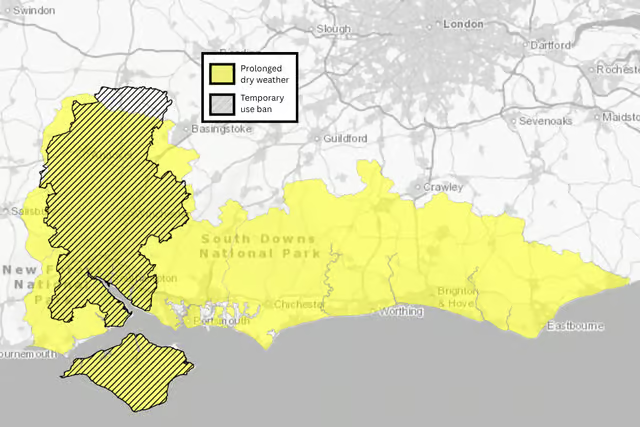
The Environment Agency has moved Sussex into ‘a state of prolonged dry weather’, joining Hampshire and the Isle of Wight.
Parts of Hampshire and the Isle of Wight went into prolonged dry weather 11 days earlier due to growing pressures on the environment. The continued impact of hot temperatures, little rainfall and growing demand for water is now also being felt in Sussex.


South East Water has said temporary use bans in Hampshire, Sussex, Surrey and Berkshire come into effect on Saturday 25 July, joining Kent. The water company also said the Cuckmere River level is too low for abstraction, affecting Arlington reservoir in Sussex.
A state of prolonged dry weather means the Environment Agency is positioned to consider any requests about water usage and ready to react to any incidents in the environment caused by hot temperatures and impact on the water.
Richard O’Callaghan, environment planning & engagement manager at the Environment Agency, said: “Prolonged dry weather is affecting a lot of England, now reaching from Cornwall to Sussex and elsewhere in England.
“Everything relies on water and we must use water wisely. The more water we use, the less there is available for the environment.
“We are ready to balance the need for water against the needs of the environment and make sure water companies are following their drought plans closely.”
The National Drought Group – which includes the Met Office, government, regulators, water companies, the National Farmers’ Union, Canal & River Trust, anglers, and conservation experts – is monitoring the situation.
As regulator, the Environment Agency will decide any drought permit requests. However, Defra and the Secretary of State will decide on any applications for drought orders with the Environment Agency giving technical advice assessing the needs of people and the environment.