








Tata Sons Approves ₹10,000 Crore Infusion for Air India Amid Internal Governance Shifts
MUMBAI – In a significant move to bolster its aviation portfolio, the board of Tata Sons has granted in-principle approval for a fresh capital infusion of over ₹10,000 crore (approximately $1.1 billion) into Air India. This marks one of the conglomerate’s most substantial financial commitments to the airline since acquiring the state-run carrier for ₹18,000 crore in 2021.
However, the latest funding package is not unconditional. Sources familiar with the internal deliberations indicate that the board has mandated that Air India and other group entities must present a robust, validated business case whenever they seek to tap into this capital.
A Response to Mounting Losses
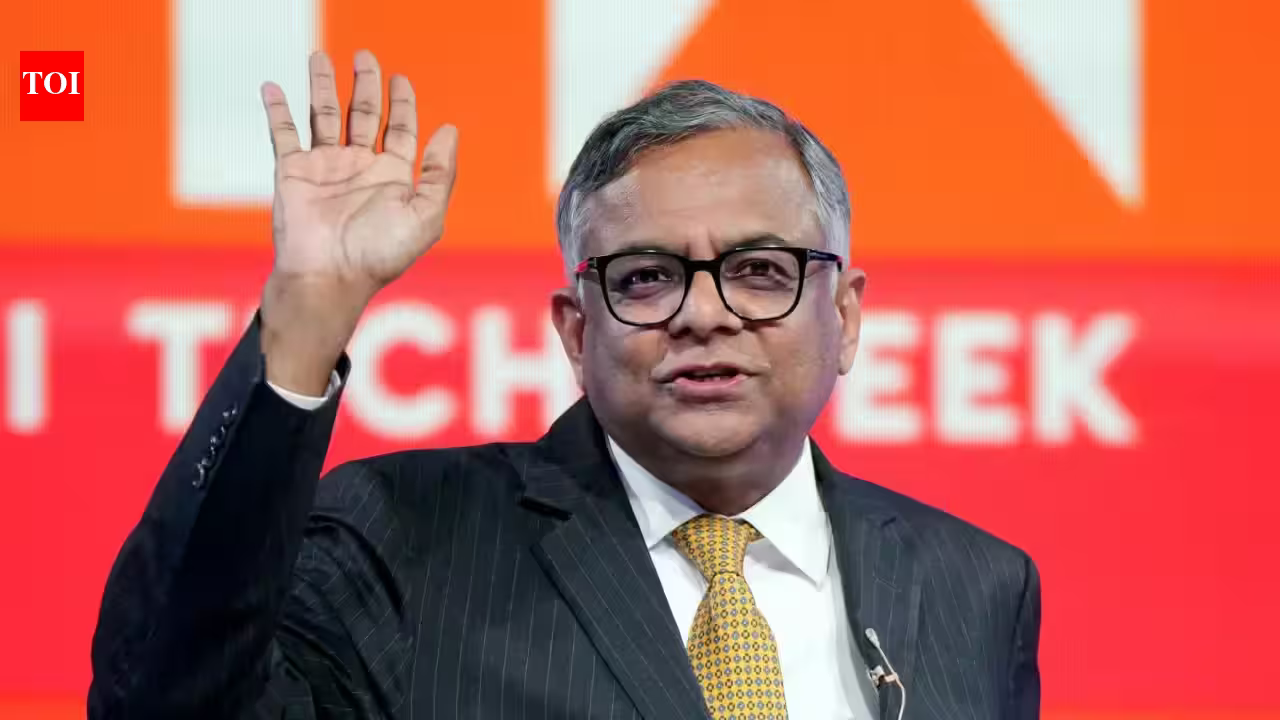
The approval comes at a critical juncture for the airline, which has been grappling with significant financial headwinds. According to recent reports, Air India’s losses more than doubled to ₹22,238 crore in FY26. These mounting pressures are widely believed to have fueled a strategic rift between Tata Sons Chairman N. Chandrasekaran and Tata Trusts Chairman Noel Tata. The friction surrounding the group’s investment strategy and the airline’s performance ultimately culminated in the announcement that Chandrasekaran will step down when his term concludes in February 2027.
For more than a year, Tata Sons had effectively paused equity injections into the airline, forcing Air India to rely heavily on debt financing. Consequently, the airline’s outstanding debt has swelled to approximately ₹40,000 crore, spread across 11 lenders, with the State Bank of India (SBI) holding the largest exposure at ₹18,500 crore, followed by the Bank of Baroda at ₹5,938 crore.
Governance and Regulatory Constraints
The decision to greenlight the funds was finalized during a June board meeting attended by key stakeholders, including Chandrasekaran, Noel Tata, and Vice-Chairman Venu Srinivasan. Under Article 121A of Tata Sons’ articles of association, any investment exceeding ₹100 crore requires the majority backing of Tata Trusts’ nominee directors.
The conglomerate faces a complex regulatory landscape. Tata Sons is currently in the process of seeking Reserve Bank of India (RBI) approval to surrender its status as a core investment company. This has effectively forced the group to halt the issuance of corporate guarantees or letters of comfort for its subsidiaries, placing greater emphasis on direct capital support.
Shareholder Dynamics
Tata Sons currently holds a 73.8% stake in Air India, with employees holding 1.5% and Singapore Airlines (SIA) owning the remaining 24.7%. To avoid the dilution of its stake during this capital injection, Singapore Airlines would be required to contribute approximately ₹3,350 crore ($351 million).
The board’s next major touchpoint is scheduled for September 17, following a September 11 meeting of Tata Trusts. Notably, the Sir Ratan Tata Trust (SRTT) remains barred from holding board meetings due to an ongoing inquiry regarding potential violations of the Maharashtra Public Trusts Act. Despite this, experts note that the ban does not strip the Trusts’ nominee directors of their voting rights; these directors remain bound by their fiduciary duties to Tata Sons, ensuring their influence on critical financial decisions like the Air India capital infusion remains intact.
Both Tata Sons and Tata Trusts have declined to comment on the development.