









The High Cost of Failure: Examining Gaming’s Most Notorious Flops
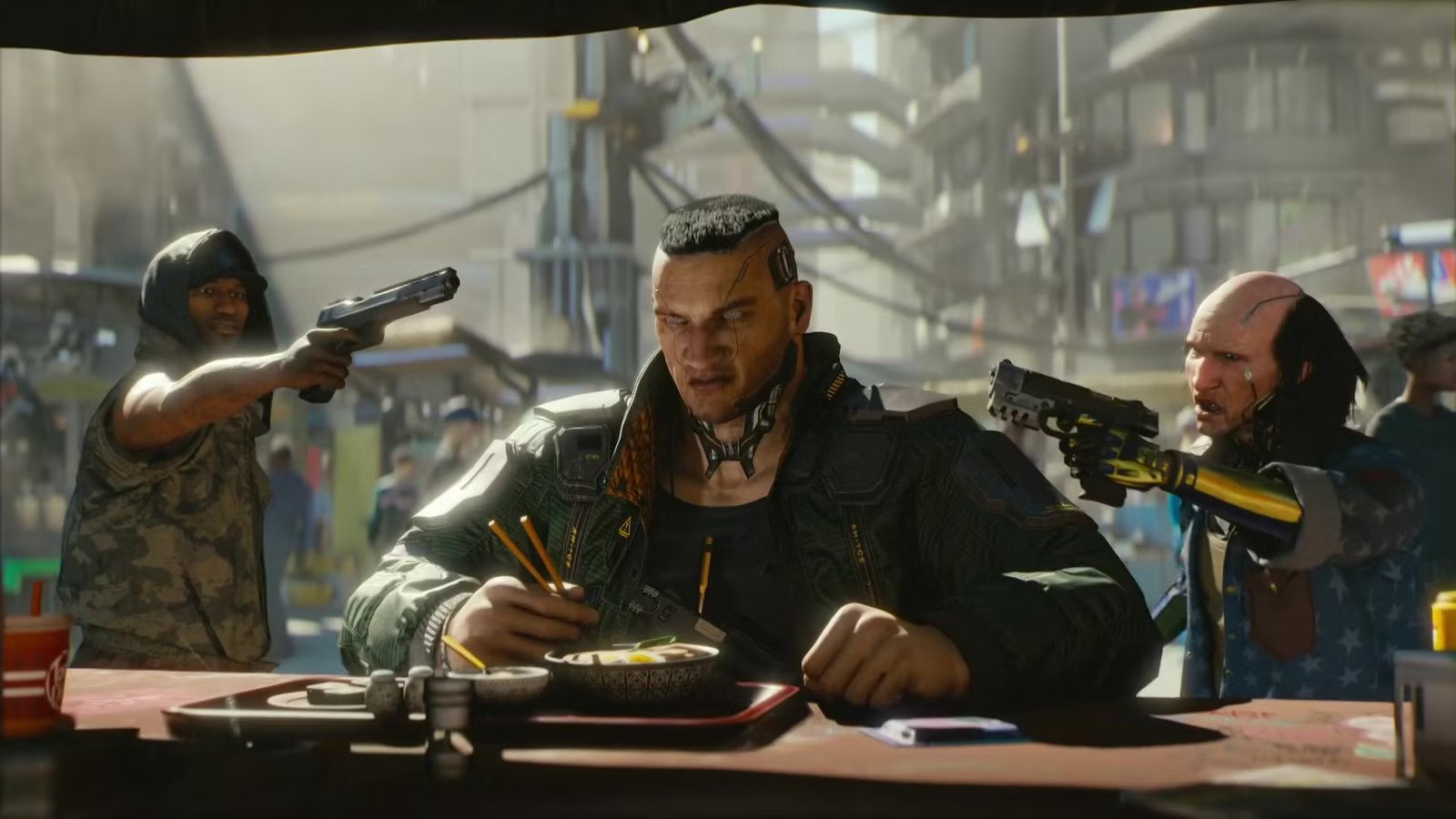
The video game industry, a landscape of immense investment and creative ambition, occasionally bears witness to monumental failures. Despite significant development costs and the best intentions, some titles simply never resonate with audiences, leading to financial disaster and, in some cases, the demise of studios. While early misfires like Cyberpunk 2077 and No Man’s Sky have famously found redemption, a select few remain etched in history as definitive flops.
Here, we delve into a cautionary tale of ambition colliding with reality, examining some of the biggest gaming flops of all time:
12. The Lord of the Rings: Gollum (2023)
Daedalic Entertainment, a studio known for its successful graphic adventure games, attempted a bold foray into the world of Tolkien with The Lord of the Rings: Gollum. However, this ambitious project ultimately stumbled. Critics universally panned the game for its lack of personality, pervasive bugs, and overall underwhelming quality. The commercial reception mirrored the critical disappointment, leading Daedalic to cease game development and pivot entirely to publishing. The grand vision for a unique narrative experience starring the iconic character ultimately proved too large a hurdle for the studio to overcome.
11. Babylon’s Fall (2022)
From the celebrated developers at PlatinumGames, known for acclaimed titles like NieR: Automata, came Babylon’s Fall, an action-RPG published by Square Enix. This title, however, quickly became a byword for a live-service misstep. Excessive microtransactions alienated players from the outset, further exacerbated by bland visuals and combat mechanics that fell far short of PlatinumGames’ usual high standards. Despite months of efforts to cultivate a community, including desperate measures like GameStop giving away free copies, the game was ultimately shut down less than a year after its launch, leaving physical copies as little more than collectibles.
10. Immortals of Aveum (2023)
Immortals of Aveum initially garnered positive pre-release buzz, but this enthusiasm quickly waned upon its launch. Players and critics alike found the game, despite its unique magic-based combat, failed to sufficiently differentiate itself from established first-person shooters like Call of Duty. Electronic Arts, having invested over $100 million in its development, saw its high expectations unmet, leading to significant layoffs at Ascendant Studios weeks after release. While the game faced the unenviable task of launching alongside industry giants like Baldur’s Gate 3 and Starfield, its inherent shortcomings were ultimately exposed by the fierce competition.
9. Too Human (2008)
Too Human, a long-gestating project from Silicon Knights, aimed to blend Norse mythology with science fiction in what was envisioned as a multi-game series. Backed by a substantial investment from Microsoft for an Xbox release, the game’s development was plagued by controversy. Silicon Knights’ lawsuit against Epic Games, alleging an unfinished Unreal Engine 3, backfired spectacularly when court proceedings revealed Silicon Knights had illicitly incorporated Epic’s code. The subsequent legal ruling ordered Silicon Knights to pay millions in damages, destroy all unsold copies of Too Human, and remove it from storefronts. This catastrophic legal battle effectively torpedoed the game’s commercial viability and contributed to the studio’s eventual downfall, also impacting their later title, X-Men: Destiny.
8. The Callisto Protocol (2022)
Heralded as a spiritual successor to Dead Space by its co-creator Glen Schofield, The Callisto Protocol promised a terrifying sci-fi horror experience. Publisher Krafton poured millions into Striking Distance Studios to realize this vision. However, the game’s ultimately linear gameplay, which failed to live up to its impressive visual fidelity, limited its audience appeal. Schofield’s resignation shortly after launch and the team’s subsequent pivot to other projects underscored the game’s disappointing performance, marking an unfortunate swansong for a developer with a stellar track record.
7. Forspoken (2023)
Developed by Luminous Productions for Square Enix, Forspoken was intended to be a flagship PlayStation 5 title and a showcase for the studio’s proprietary Luminous Engine. Initially revealed as Project Athia, the game boasted photorealistic worlds and dynamic spellcasting. However, early promotional material, particularly its character dialogue, became a viral meme, fostering negative sentiment. The final release struggled with technical issues, including muddy visuals, which overshadowed its otherwise excellent parkour system. Poor sales led to Square Enix disbanding Luminous Productions, shifting future development to more established engines like Unreal Engine and Unity.
6. Anthem (2019)
Once lauded for its Mass Effect series, BioWare’s reputation began to falter with Mass Effect Andromeda. Anthem was meant to be their triumphant return, a new live-service IP hyped by a dazzling E3 reveal in 2018. However, the final product bore little resemblance to the promised experience, straying from BioWare’s established single-player strengths. A planned roadmap of updates was ultimately canceled by Electronic Arts, and the game’s servers were shut down earlier this year, sealing its fate as a missed opportunity for a once-great studio.
5. Marvel’s Avengers (2021)
Despite Crystal Dynamics’ history of developing beloved titles, Marvel’s Avengers failed to capture the hearts of players. While offering a compelling third-person action experience, the game was heavily criticized for its aggressive microtransactions, which included cosmetic items and battle passes on top of the full retail price. The endgame content was sparse and riddled with bugs, partly attributed to the impact of COVID-19 on development. The game proved to be a significant financial drain for Square Enix, likely contributing to their decision to sell Crystal Dynamics to Embracer Group. Ultimately, Marvel’s Avengers was delisted from digital storefronts, leaving physical copies as the only way to experience the title.
4. Redfall (2023)
Redfall, from the acclaimed Arkane Austin, creators of Prey and Dishonored, promised an exciting blend of heroes and vampires. Yet, red flags emerged long before its launch, including the revelation of a 30 frames per second lock on Xbox Series X and a mandatory persistent online connection, even for single-player content. Upon release, the game was plagued by crashes, awkward controls, and lackluster AI. The disastrous launch and subsequent apology were followed by Microsoft’s decision to shut down Arkane Austin in 2024, a stark reminder of the unforgiving nature of the industry.
3. E.T. (1982)
E.T. the Extra-Terrestrial stands as a legendary flop that nearly brought down the entire video game industry. Atari, after securing the rights to the film for $23 million, tasked a single developer with creating the game in a mere five weeks. The rushed development resulted in a confusing game with obtuse controls and unclear objectives, frustrating players who simply wanted to enjoy a tie-in to the popular film. The market, already saturated with low-quality games, couldn’t absorb the millions of unsold E.T. cartridges. The infamous solution was to bury them in a New Mexico landfill, a stark symbol of a company’s catastrophic misjudgment. Years later, these unearthed cartridges ironically commanded high prices on eBay, suggesting that perhaps Atari’s initial mistake was a lack of patience.