








The Evolution of the iPhone Duo Form Factor
The introduction of the iPhone Duo marks a significant departure from the standard smartphone design language that has dominated the market for over a decade. While folding phones are no longer a niche curiosity, the Duo brings a unique refinement to Apple’s ecosystem. The device is notably chunkier and heavier than its predecessors, a trade-off required to house the dual-screen mechanism. However, this form factor allows the device to function in ways previously impossible for an iPhone. It can operate as a book-shaped e-reader, a camera with a waist-level viewfinder reminiscent of vintage Hasselblad gear, or, with recent software developments, a handheld digital notebook.
Apple Pencil Integration and iOS 27.2
The most significant update for the iPhone Duo arrives with the deployment of iOS 27.2, which introduces official support for the USB-C Apple Pencil. While this implementation lacks the sophisticated pressure sensitivity found on the high-end iPad Pro models, it provides a functional and surprisingly responsive input method for the Duo’s inner display. The device utilizes a basic stylus interaction, which includes “scribble” support. This feature allows users to write by hand, with the operating system automatically converting the handwriting into digital text across applications such as Safari and Messages.
The experience of using the Pencil on the Duo is bolstered by the device’s matte inner screen finish. This texture provides a level of tactile resistance that makes writing feel more substantial compared to the standard glossy glass surfaces found on most phones. Although the stylus must be stored magnetically on the device’s hinge—a position that feels slightly awkward due to the pencil’s length relative to the phone—the utility of having a stylus ready for quick notes is a clear functional upgrade for productivity-focused users.
Transforming the Interface for Creativity
Beyond the hardware capabilities, the integration of stylus support has prompted a shift in how users interact with the device’s software. The native Notes app remains the primary hub for this functionality, offering an “auto-refine” feature that smooths out jagged handwriting while preserving the user’s individual script style. This feature, ported from the iPad’s software suite, is particularly effective on the smaller, high-density displays of the Duo.
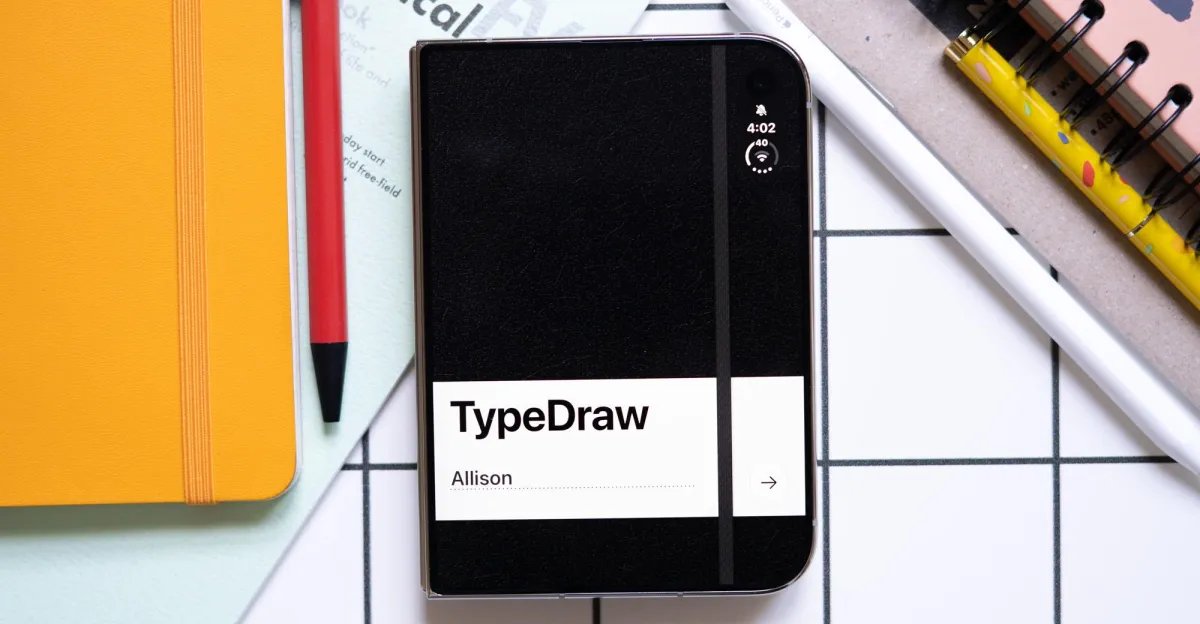
To further lean into the “notebook” concept, third-party software has emerged to bridge the gap between a traditional mobile device and a dedicated creative tool. Applications like TypeDraw have been optimized specifically for the Duo’s folding architecture. This software allows the cover screen to function as a book cover, while the inner screen acts as a canvas. When the phone is closed, the user can swipe to navigate pages, and when opened, the interface provides a notebook-style environment. Features such as automatic table-of-contents generation based on headings demonstrate how developers are beginning to adapt to the unique hardware constraints and advantages of a folding screen.
The Minimalist Shift and Behavioral Impact
The capability to use the iPhone Duo as a notebook encourages a broader reevaluation of device usage. Many users are finding that the physical act of “opening” the device to write shifts the intention behind usage. By creating a minimalist home screen dedicated to input rather than content consumption, the Duo can potentially mitigate the reflex to constantly scroll through social media feeds.
This shift does not necessarily require a $2,000 piece of hardware, but the Duo facilitates a different relationship with the phone’s interface. Through the use of custom shortcuts that trigger specific creative apps upon unfolding, the device can be transformed from a distraction-heavy portal into a tool for focused work. The reliance on Spotlight Search and Control Center, rather than a crowded grid of application icons, underscores a growing desire among power users to simplify their mobile environments.
Assessing the Reality of the Notebook Experience
Despite the novelty and the genuine utility of the Apple Pencil integration, it is important to maintain a pragmatic perspective. The “new notebook effect”—the tendency to believe that a new piece of hardware will fundamentally change personal habits—is a well-documented phenomenon. While the Duo is a highly capable piece of technology that offers a superior experience for jotting down quick ideas or grocery lists, it is not a replacement for a dedicated writing device or a professional tablet.
The software, while innovative, is still in its infancy. Occasional errors in handwriting recognition or the delay in processing text input can break the flow state that creative work requires. However, as an exercise in hardware and software synergy, the iPhone Duo succeeds. It demonstrates that the future of the smartphone may lie in its ability to adapt to specific, intentional use cases rather than just serving as a general-purpose consumption machine. For those willing to embrace the learning curve of a folding device, the Duo provides a tangible way to separate creative input from digital noise.
Disclaimer: This content is auto-generated for informational purposes only.
Source: Read Original News