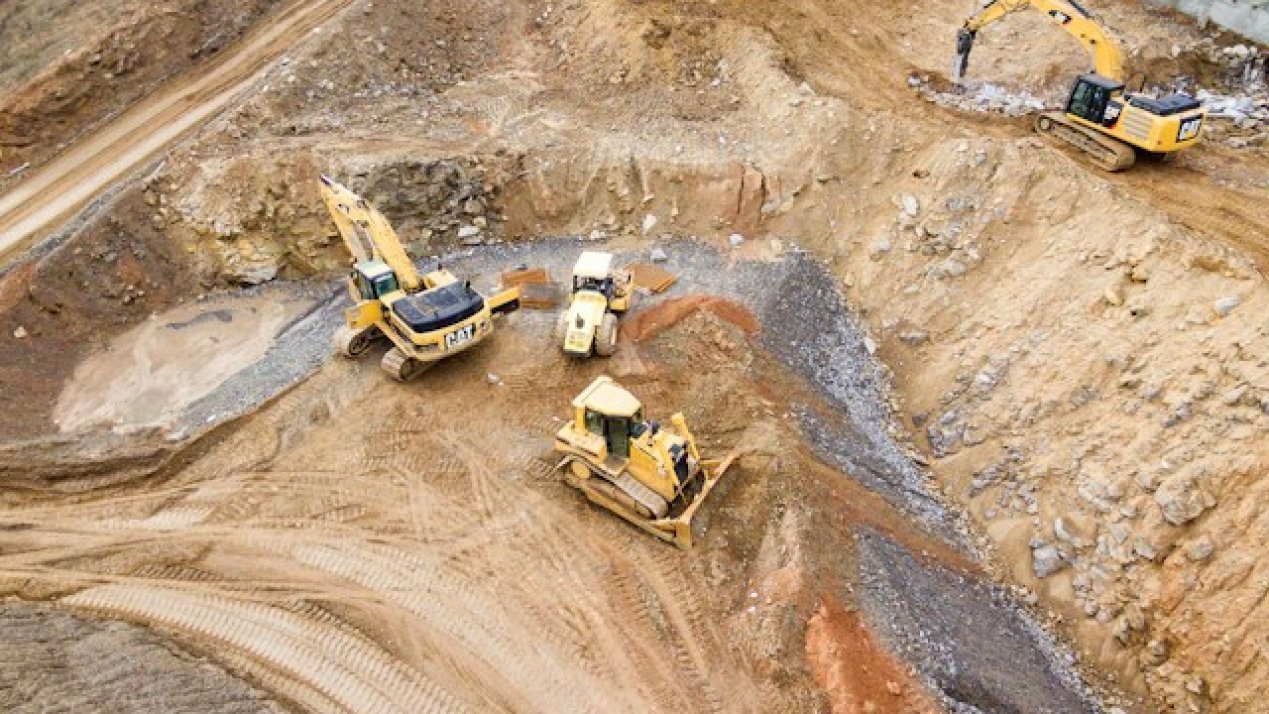









The Canadian government’s introduction of Bill C-39, the “Building Canada Strong Act,” has ignited a fierce debate over the future of the nation’s environmental oversight. While the government frames the legislation as a vital tool for securing economic growth and fast-tracking large-scale infrastructure, critics argue it represents a dangerous retreat from long-standing federal protections.
At the heart of the controversy is the establishment of “federal economic zones.” Under the proposed legislation, these zones would allow projects to be “pre-approved,” effectively creating exceptions to habitat and species-at-risk protections. By bypassing traditional federal oversight, the government aims to shorten the path to project initiation, but the strategy is raising alarms among environmental advocates and Indigenous leadership.
The bill imposes a compressed one-year timeline for environmental reviews. While proponents suggest this provides needed clarity for investors, experts caution that these shortened windows risk undermining the quality of critical scientific assessments. Linking environmental protection to human health—a framework the government itself championed in 2024—the bill’s detractors point out that regulations are not merely red tape. They are essential safeguards that prevent exposure to toxins and pollution. Scientific consensus suggests that the health and economic benefits of robust environmental regulation far outweigh the administrative costs of maintaining them.
Perhaps the most contentious provision of Bill C-39 is the “build first, assess later” mandate. If the environment minister deems a project to be in the “public interest,” preliminary construction can proceed before the Impact Assessment Agency of Canada concludes its findings. This approach has drawn sharp criticism, particularly from the Nishnawbe Aski Nation. Indigenous leaders have formally rejected the legislation, arguing that economic development must not be prioritized at the direct expense of their communities and traditional territories.
Critics argue that the government is operating under a false dichotomy—suggesting that Canada must choose between environmental stewardship and rapid development. Evidence from other jurisdictions suggests that efficiency can be gained through modernizing governance. By digitizing permitting, improving inter-departmental coordination, and conducting strategic planning earlier in the process, governments can accelerate project timelines without compromising the integrity of environmental safeguards. As it stands, current delays are frequently attributed to fragmented administrative processes rather than the environmental regulations themselves.
The bill also introduces a controversial shift in how Canada manages its fisheries. Under proposed amendments to the Fisheries Act, companies could purchase “habitat credits” from third-party conservation groups to offset damage to fish habitats caused by construction. While supporters argue this allows for more effective, large-scale restoration efforts, critics fear the policy treats environmental destruction as a simple cost of doing business. Under this “pay now, worry later” model, there is a risk that companies will prioritize financial compensation over the actual avoidance or mitigation of ecological harm.
The implications of Bill C-39 extend far beyond the immediate construction sites. The legislation concerns the long-term quality of the air Canadians breathe, the safety of their water, and the preservation of natural spaces that support public well-being. As the bill moves through the legislative process, the fundamental question remains: can Canada achieve its goals of rapid industrial growth while upholding the safeguards meant to protect its ecosystems and citizens for generations to come? For many, the answer lies in whether the government chooses to reform the bureaucracy that causes delays, or if it chooses to dismantle the protections that sustain the country’s natural heritage.
Disclaimer: This content is auto-generated for informational purposes only.
Source: Read Original News