








The Escalating Crisis in Global Energy Markets
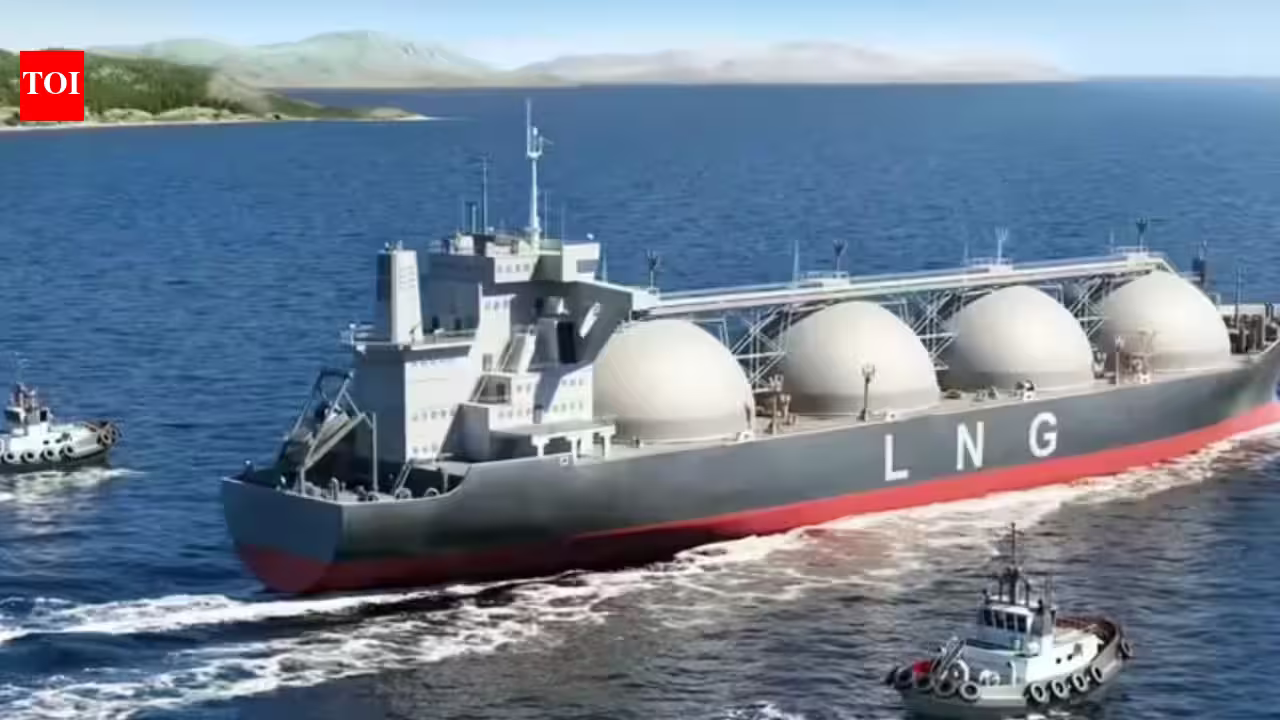
The global energy landscape is currently navigating a period of heightened volatility, characterized by supply chain disruptions, fluctuating commodity prices, and structural shifts in trade routes. For an energy-importing nation like India, these developments present a significant fiscal challenge. Recent data indicates that Liquefied Natural Gas (LNG) prices have surged by 6% week-on-week, reaching an average of USD 32 per million British thermal units (mmBtu). This uptick, combined with rising crude transportation costs and the narrowing of historical discounts on Russian oil, is placing immense pressure on India’s industrial sector and state-run energy companies.
As winter approaches, the European Union faces the dual challenge of lower-than-usual gas inventories—currently at 75% compared to 83% during the same period last year—and high demand. This structural scarcity in the West acts as a price driver for global LNG markets. For India, which relies on imported gas for fertilizer production, power generation, and city gas distribution, the sustained elevation of prices above the USD 30 threshold creates a barrier to affordability. The current market environment suggests that price corrections may be slow to materialize, necessitating a careful reassessment of energy procurement strategies at the national level.
Logistics and the Surge in Crude Freight Costs
The mechanics of global crude oil transportation have undergone a fundamental transformation that is disproportionately affecting the landed cost of fuel. While crude exports from the Middle East have largely recovered to pre-conflict levels—exceeding 90% of their historical output—the physical delivery of these resources remains plagued by systemic inefficiencies. Renewed security concerns and geopolitical tensions in transit corridors have driven the physical crude premium up by 8% to USD 9 per barrel.
A critical, often overlooked factor in this inflationary environment is the increase in “crude-in-transit.” As importers pivot toward more diverse but geographically distant sources, and as ship-to-ship transfers become a standard procedure to navigate restricted zones, tankers are remaining at sea for significantly longer durations. This extension of transit times, coupled with ongoing security threats, has kept freight rates at levels nearly eight times higher than those observed before the onset of recent global conflicts. Consequently, freight costs, which once represented a nominal 3% of the total landed cost of crude oil, now account for more than 25%. This shift in the cost structure represents a permanent upward revision in the baseline expenditure for India’s oil marketing companies (OMCs).
The Erosion of Russian Crude Price Advantages
For much of the past two years, Indian refiners benefited from substantial discounts on Russian Urals crude, which acted as a vital hedge against global price volatility. However, the market has undergone a significant correction. At the end of February, Russian Urals were trading at a discount of USD 14 per barrel relative to the Brent benchmark. Today, that discount has shrunk to a mere USD 2 per barrel. Simultaneously, the volatility in other regional benchmarks, such as the Dubai crude spread, further complicates procurement planning.
This narrowing of the discount gap has hit the balance sheets of Indian OMCs with considerable force. Because these companies remain closely aligned with the Indian crude basket—currently hovering around USD 118 per barrel—they are facing acute marketing losses. Based on recent 15-day average pricing, the under-recovery on retail fuels is substantial, with losses estimated at approximately Rs 25 per liter for petrol and Rs 37 per liter for diesel. This fiscal pressure limits the flexibility of OMCs to absorb further shocks and places the government in a difficult position regarding the retail pricing of essential fuels, which has major implications for inflationary trends within the Indian economy.
Refining Infrastructure and Long-Term Margin Outlook
The disruption to Russian refining infrastructure due to recent conflicts has led to a tightening of global supply for middle distillates. This scarcity is expected to keep refining margins elevated well into the 2027 fiscal year. While high margins are typically a positive indicator for the downstream sector, they are currently a reflection of supply-side fragility rather than organic demand growth. The lack of available refined products forces the global market to rely on a strained logistics chain, ensuring that even if raw crude prices were to stabilize, the final cost to the consumer would likely remain skewed upward by refining and transport premiums.
Conversely, the petrochemical sector has experienced a paradoxical improvement in performance. Despite the instability in energy markets, petrochemical margins for products such as polyethylene (PE), polypropylene (PP), and polyethylene terephthalate (PET) have risen by 55% since the end of February. This improvement is partly attributed to the disruption of petrochemical exports from the Middle East, particularly from damaged facilities in Iran and Saudi Arabia. For major players like Reliance Industries, this has provided a necessary buffer, as the profitability of their Oil-to-Chemicals (O2C) segment has benefited from the current supply shortages and the resulting price realizations.
Strategic Implications for the Indian Economy
The confluence of high LNG prices, elevated crude freight costs, and the dissipation of Russian crude discounts signals a challenging winter for the Indian energy sector. Policymakers must weigh the requirement for fiscal discipline against the need to protect the domestic consumer from the full brunt of these global price increases. The reliance on long-haul imports and the increased duration of crude shipments suggest that the “new normal” for energy costs will remain significantly higher than pre-pandemic levels.
To mitigate these pressures, India must accelerate its focus on diversifying energy procurement, increasing investment in strategic reserves, and accelerating the transition toward domestic renewable energy sources to reduce long-term import dependency. While the petrochemical sector currently offers a counter-cyclical hedge for some large corporations, the broader economy remains vulnerable to the sustained inflation of energy inputs. The coming quarters will require agile fiscal management and an emphasis on supply chain resilience to ensure that India’s growth trajectory remains insulated from the turbulence of the international energy trade. As the global supply chain continues to struggle with normalization, the focus must shift from reacting to short-term price shocks to building a more robust, long-term energy security framework.
Disclaimer: This content is auto-generated for informational purposes only.
Source: Read Original News