








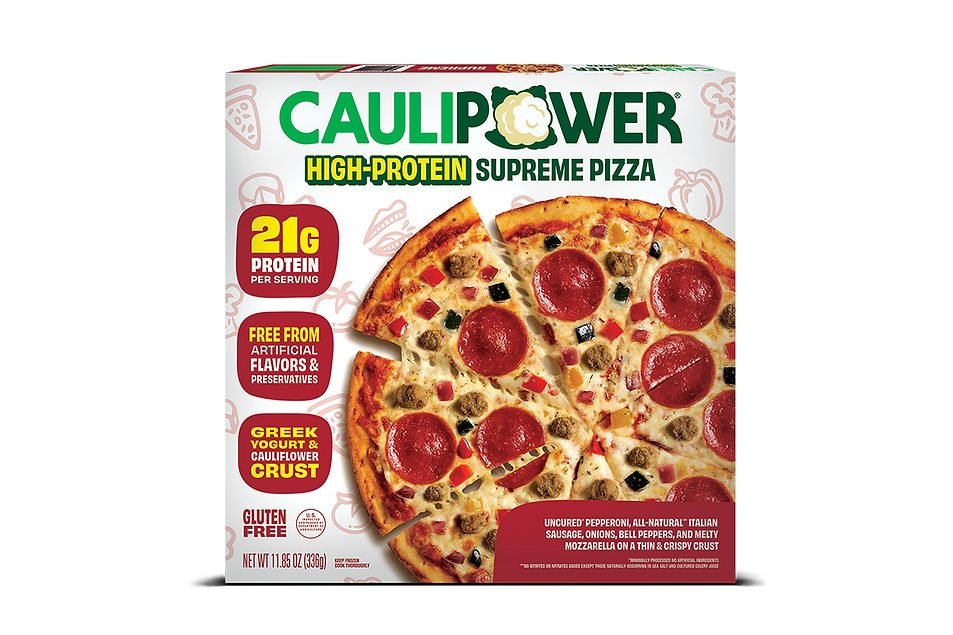
As consumers increasingly move away from restrictive, short-term “quick-fix” diets, the food industry is pivoting to meet a growing demand for sustainable, nutrient-dense nutrition. This shift in consumer behavior is creating a new challenge for food manufacturers: how to communicate long-term wellness value on packaging while competing in an era of digital-first health literacy.
## The “Three-Second Triage” and Digital Scrutiny
In a digital age, consumers are performing a “three-second nutritional triage” at the grocery shelf. They are no longer simply glancing at calorie counts; they are utilizing technology and increasing health literacy to vet products before making a purchase. Modern shoppers now act as “detectives,” turning packages around to verify if the Nutrition Facts Panel aligns with the marketing claims splashed across the front.
This behavior is influenced by the digital ecosystem, where wellness apps and AI-powered food scanning tools allow consumers to instantly analyze ingredient lists. Experts warn that brands can no longer rely on superficial “halo” claims. Instead, there is a mounting pressure to build “nutritional architecture”—where the internal ingredient list supports the marketing promise. For example, if a product markets itself as a weight-management tool, consumers now expect to see meaningful protein, fiber, and low added sugar, rather than empty calories.
## AI and Data-Driven Shifts in Personalized Nutrition
The rise of sophisticated health tracking—integrated into smartphones and wearable tech—has fundamentally changed how people view weight management. With more access to real-time biometric data, consumers are shifting the conversation from “how few calories can I eat?” to “what am I getting for these calories?”
Food companies are beginning to leverage these insights to formulate products that prioritize satiety and metabolic health. By focusing on nutrient-dense ingredients like walnuts, legumes, and high-quality proteins, manufacturers are catering to consumers who view diet as a long-term lifestyle choice rather than a temporary restriction. This trend is further supported by the popularity of the Mediterranean diet, which remains the gold standard among experts for its focus on whole foods, fiber, and healthy fats, rather than extreme caloric deprivation.
## Addressing the GLP-1 Gap with Nutritional Science
A significant portion of the current food innovation landscape is dominated by the emergence of GLP-1 medications like Ozempic. However, as accessibility issues and high costs keep these drugs out of reach for many, there is a growing market for “supportive” nutrition. Market insights reveal that a majority of GLP-1 users have faced financial hurdles in maintaining their prescriptions, leading them to seek out food-based strategies to manage satiety.
While industry experts caution against marketing food as “nature’s medication,” there is a clear opportunity for brands to promote products that naturally support the outcomes these drugs aim for—namely, improved portion control, the maintenance of lean body mass, and consistent metabolic health.
The industry is navigating a delicate balance here. While new product launches have leaned into GLP-1-adjacent marketing, there is a regulatory and ethical pushback against suggesting that food can replicate pharmacological effects. Instead, the focus is shifting toward “functional support.” By emphasizing natural ingredients like fermented foods, soluble fibers, and omega-3-rich fats, companies are finding success by highlighting satiety and nutritional density rather than making unauthorized medical claims.
As the market matures, the brands that thrive will likely be those that treat the consumer as an empowered, informed partner. By providing transparent, evidence-based nutrition that prioritizes long-term satiety over quick weight loss, the food industry is aligning itself with a more sustainable, tech-enabled future of wellness.
Disclaimer: This content is auto-generated for informational purposes only.
Source: Read Original News