






Minnesota Farmers Pivot to Direct-to-Consumer Tech to Beat Economic Hurdles
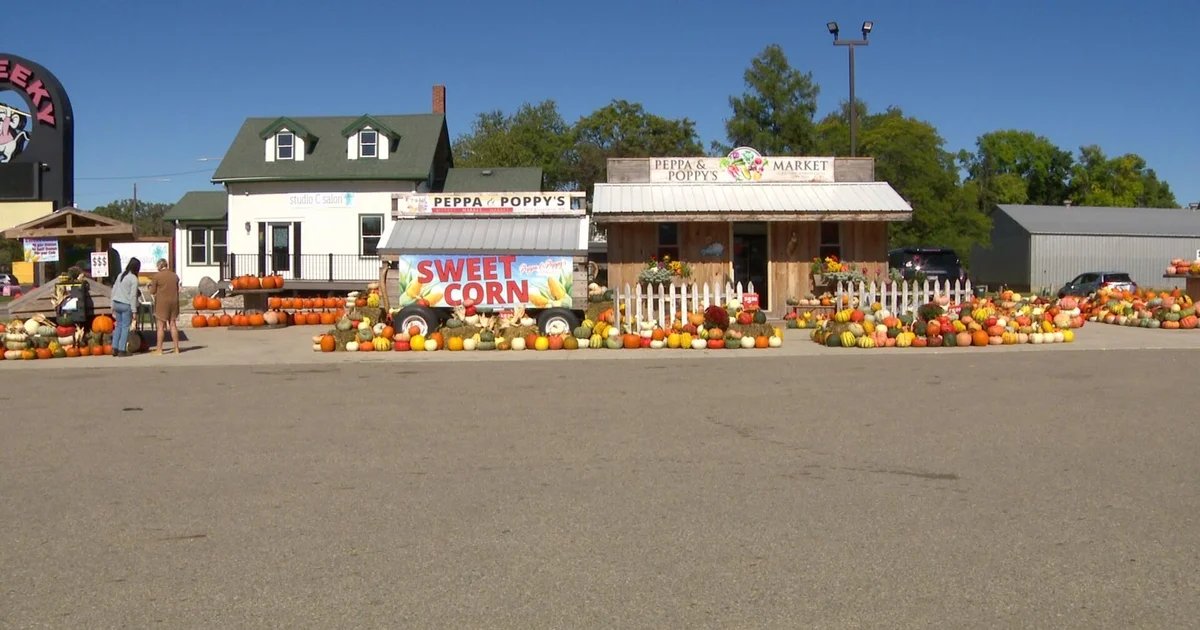
For farmers in Minnesota, the transition from seed to sale is a gauntlet of environmental uncertainty and shifting economic landscapes. As climate volatility—marked by recent heatwaves and drought—threatens traditional crop yields, agricultural entrepreneurs like Emily Louwagie of Peppa & Poppy’s Market are leveraging localized business models to ensure their operations remain profitable.
By bypassing traditional wholesale channels, these farmers are discovering that the future of small-scale agriculture relies less on massive shipping logistics and more on hyper-local distribution.
The Margin Advantage: Why Farm Stands Are Winning
A recent study conducted by the University of Minnesota highlights a critical shift in the agricultural economy: farm stands can boost profit margins by nearly 50% compared to conventional retail or wholesale outlets. By eliminating the overhead associated with shipping and third-party distribution, farmers can keep prices competitive for consumers while retaining more revenue per unit.
For Louwagie, whose operation has expanded from a single acre of sweet corn to 100 acres featuring a diverse variety of pumpkins and tomatoes, this direct-to-consumer approach is essential. With 16 market locations scattered across Minnesota—ranging from Detroit Lakes to Glenwood—her strategy utilizes a hybrid model. This includes unmanned, self-serve corn stands that lean on consumer trust and simple transactional infrastructure, alongside staffed locations in Alexandria that provide a high-touch customer experience.
Navigating Climate Tech and Environmental Uncertainty
While the business model is flourishing, the biology remains high-stakes. The recent growing season tested the limits of regional farming, with sustained heat and drought forcing growers to rethink planting schedules. Louwagie notes that while some crop patches suffered on dry, elevated terrain, others—particularly her pumpkin varieties—surrounded the weather challenges to produce a strong yield.
This resilience is not accidental. Modern farmers are increasingly turning to data-driven climate monitoring tools and localized weather apps to manage crop timing. Integrating these digital resources allows farmers to mitigate the risks of “harvest headaches,” helping them predict water requirements and optimize the window for harvest even when regional conditions appear grim.
From Pig Tales to Modern Marketplace Branding
Beyond the logistics, the human element—and a bit of personality—remains a cornerstone of the modern farm brand. Louwagie’s venture, Peppa & Poppy’s Market, owes its quirky name to a pair of pigs she famously transported from Florida, going so far as to disguise them as puppies to get them through hotel lobbies.
This brand identity, built on storytelling and relatability, resonates deeply with the growing movement of consumers who want to know the face behind their food. Currently, more than 100 farm stands across Minnesota are capitalizing on this desire for transparency.
The Future of Agriculture: Connecting Tech and Soil
As the agricultural sector evolves, the synergy between manual labor and digital efficiency will likely increase. Whether it is through the use of sophisticated supply chain management software to track inventory across 16 disparate locations or the utilization of Google’s suite of business tools to help customers locate the nearest corn stand via Maps, technology is proving to be a silent partner for the modern farmer.
For Louwagie and her peers, the goal remains simple: to bridge the gap between the field and the dinner table. Despite the inherent chaos of farming—and the occasional squealing pig—the success of independent markets like hers signals a broader, sustainable trend in how Minnesotans access fresh produce. By prioritizing direct sales and maintaining a flexible, tech-enabled business model, Minnesota farmers are finding ways to weather the storm, both figuratively and literally.
Disclaimer: This content is auto-generated for informational purposes only.
Source: Read Original News