








The Art of Keeping Your Japanese Maple Radiant
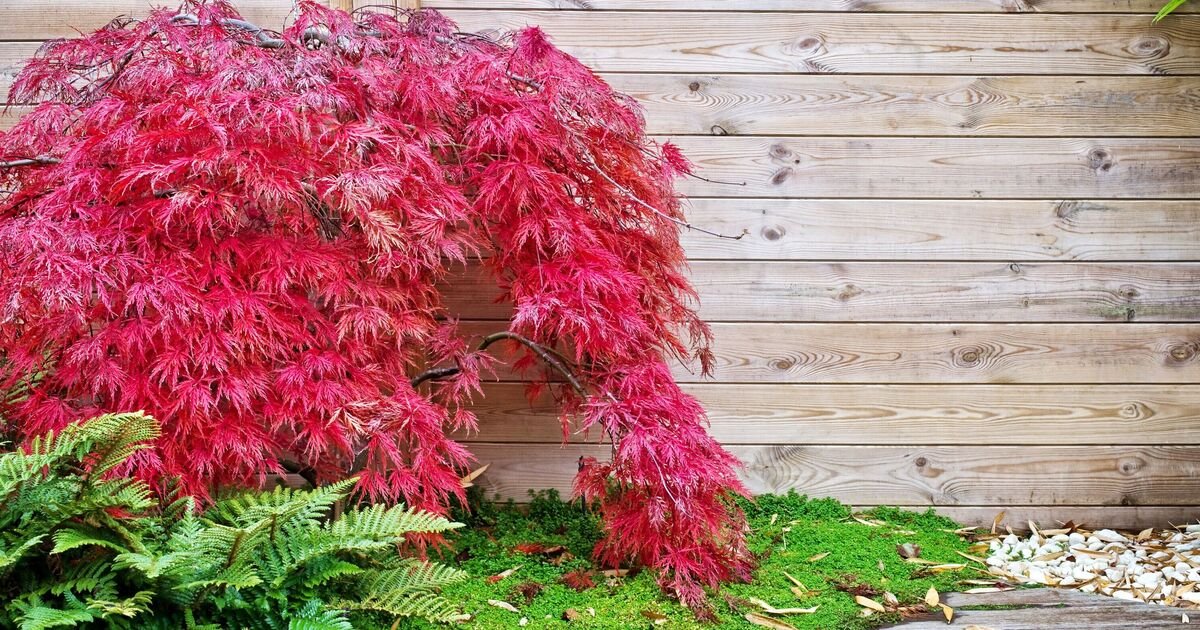
There is something undeniably sophisticated about the Japanese Acer. With their delicate, lace-like leaves and deep burgundy tones, these trees act as the crown jewels of many outdoor spaces. If you have recently added one to your collection or are looking to revive a tired-looking sapling, you are likely chasing that iconic, saturated red hue. Keeping these trees healthy is less about complex science and more about mastering a few simple rhythms in your garden care routine.
While it is easy to assume that a plant needs nothing more than a bit of water and sunshine, the Japanese Acer is a bit more particular. When they are stressed, these trees lose their signature flair, often wilting or fading into a dull, lackluster state. By tweaking how you nurture your tree, you can ensure it remains a showstopper throughout the growing season.
Feeding Your Tree at the Right Time
Just like we need a balanced diet to keep our energy levels high, your Acer needs the right nutrients to sustain its vibrant foliage. The secret here is timing. Spring is the golden window for nourishment. When the tree wakes up from its winter slumber and prepares to push out new leaves, it is hungry for a high-quality granular fertilizer.
Think of this spring feeding as a jump-start for the year ahead. Apply a layer of mulch along with your fertilizer to help retain moisture and keep the roots happy. However, you must exercise restraint as the year progresses. Avoid the temptation to feed your tree once autumn arrives. If you give it a boost of nutrients when it should be preparing for dormancy, you might trick the tree into growing new, tender shoots that are not prepared for the cold. Stick to the spring schedule, and your tree will thank you with steady, healthy growth.
Finding the Perfect Patch of Sunlight
Sunlight is a double-edged sword for the Japanese Maple. While these trees are admired for their ability to brighten a corner of the yard, too much direct light can cause the leaves to scorch. If you notice the edges of your leaves turning brown or curling, your tree is likely suffering from too much exposure during the peak heat of the day.
The sweet spot for these trees is a blend of filtered morning light and cooling afternoon shade. The early morning sun helps the leaves develop those rich, deep pigments, while the afternoon shade prevents the tree from overheating. If you are currently struggling with a tree that looks more green than red, try assessing where it sits. If it is baking under the midday sun, moving it to a spot with more protection might be the simple fix required to bring back that punchy red color.
The Age Factor and Variety Matters
If you have a young tree that is refusing to show its true colors, try to be patient. Japanese Maples are notorious for keeping gardeners guessing during their early years. Saplings often display a range of green or bronze tones before they eventually settle into their mature, deep wine-red shades. It is a slow process, but watching a young sapling gradually transform over several seasons is part of the reward of gardening.
It is also worth noting that not all maples are created equal. Some varieties are specifically bred to hold onto their pigment even through the hottest summer months. If you are planning to add more to your collection, look for reliable varieties such as Red Dragon or Emperor 1. These specific types are prized by experts for their resilience and their ability to keep their dramatic flair without fading away when the mercury rises.
Avoiding Common Watering Pitfalls
Watering seems like the most straightforward task in the world, yet it is often where mistakes happen. An Acer that is struggling with waterlogged soil will lose its vitality rapidly. If the ground remains soggy, the roots essentially drown, which quickly shows in the overall appearance of the tree.
Check the soil regularly by feeling it an inch or two below the surface. If it feels damp, hold off on the watering can. These trees prefer soil that is consistently moist but well-drained. By being mindful of the drainage in your garden beds and keeping an eye out for pests like aphids, you can protect your tree from unnecessary stress. A little consistency goes a long way in ensuring your garden remains a vibrant, peaceful retreat throughout the year.
Disclaimer: This content is auto-generated for informational purposes only.
Source: Read Original News