








Public sentiment regarding data center development has shifted sharply toward the negative throughout 2026, as concerns over environmental impact, energy costs, and local quality of life gain traction among the American public. A new survey conducted by the Pew Research Center, encompassing 10,548 U.S. adults between July 20 and August 9, reveals that a majority of the population is now skeptical of the benefits associated with these facilities.
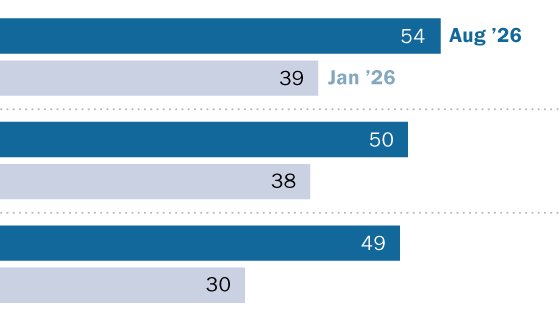
The data highlights a significant decline in favorability since the beginning of the year. In January, 39% of Americans described data centers as “mostly bad” for the environment; by August, that figure had climbed to 54%. Similar downward trends were observed in other sectors: 50% of respondents now view data centers as detrimental to home energy costs, up from 38% at the start of the year, while 49% cite a negative impact on the quality of life for nearby residents, rising from 30% in January.
These findings arrive amid a broader national conversation regarding the footprint of digital infrastructure. While the federal government, including President Donald Trump, has continued to advocate for data center expansion as a pillar of economic and technological growth, the local reality is increasingly contentious. Protests against proposed construction sites have become more common, and political figures at the state and local levels have begun to move against the trend. For instance, Texas Governor Greg Abbott recently implemented a statewide moratorium on new data center projects, while governors in Pennsylvania and Illinois have pushed for stricter regulatory oversight and the suspension of tax incentives.
The discomfort is particularly pronounced regarding the placement of these facilities. Six in ten Americans report they would be “not too” or “not at all” comfortable if a new data center were to begin operating in their immediate vicinity. This apprehension spans demographic groups, with majorities in urban, suburban, and rural areas expressing unease. The sentiment is most acute among self-described liberal Democrats, 81% of whom expressed discomfort with a local facility.
Economic metrics offer little comfort to proponents of the projects. While the impact on local jobs and tax revenue remains a point of debate, the public perception of these benefits has soured. Since January, the share of Americans who believe data centers have a negative impact on local employment and tax revenue has increased by 9 and 9 percentage points, respectively. At present, roughly 21% to 24% of the public view the impact on these economic factors as “mostly bad,” while a similar proportion still views them as “mostly good,” indicating that public opinion is increasingly divided or uncertain.
Heightened scrutiny appears to be linked to increased public awareness. Nearly nine in ten Americans (88%) now report having heard at least a little about data centers, up from three-quarters of the population in January. The percentage of those who claim to have heard “a lot” about the topic has grown from 25% to 35% in just seven months.
As the industry continues to eye rural areas for future growth, the disconnect between national economic strategy and local community preference remains a widening chasm. With less than 5% of the population currently viewing these centers as “mostly good” across the key metrics of environment, energy costs, and local quality of life, developers face an increasingly difficult path toward winning public acceptance for the next generation of digital infrastructure.
Disclaimer: This content is auto-generated for informational purposes only.
Source: Read Original News