







Beyond the Gimmick: Why Modern Pigeon Apps Miss the Point of Ancient Tech
In the world of app development, nostalgia is currently selling for a premium. The latest trend hitting the App Store features digital homing pigeons—specifically in new, viral apps like Carrier Pidge and Roost. These platforms promise to combat digital overload by slowing down communication, simulating the deliberate pace of bygone eras.
Yet, for those who understand the history and mechanics of avian messaging, these apps are little more than a "paint job" on a concept already mastered by veterans like Slowly, which has facilitated deliberate, location-aware digital pen pal exchanges since the 2010s.
The Cute Trap vs. The Real Tech
The primary differentiator for the new wave of messaging apps isn’t depth or utility; it’s an aesthetic gimmick. Carrier Pidge, for instance, includes a feature where a user’s digital bird can die, effectively forcing a micropurchase to keep the service running. While some users, like 27-year-old Olivia Macdonald, argue that "some things are better when they’re worse," this sentiment misses the core reality of the technology it attempts to mimic.
Pigeon-based communication was never "worse" than the modern alternative. In fact, throughout history, pigeon technology has often proven to be objectively superior to our current digital infrastructure.
A Missed Opportunity for Gamification
Critics argue that if developers truly wanted to capture the magic of homing birds, they would lean into the mechanics of the practice rather than just the visual of the animal. A "real" pigeon app wouldn’t just allow you to send messages to anyone in the world; it would require the logistical heavy lifting inherent to the practice.
True homing pigeons require the user to "hatch" and "rear" their inbox, then physically distribute their pigeons to the people they wish to correspond with. Such an app could utilize modern proximity features—like the tapping function used in iPhone’s NameDrop—to transfer birds between users when they are physically together. One would then have to care for, feed, and manage a stable of digital birds belonging to their peers, creating a hybrid experience of a Tamagotchi, a messaging platform, and a real-world geocaching adventure.
When Birds Outperform Broadband
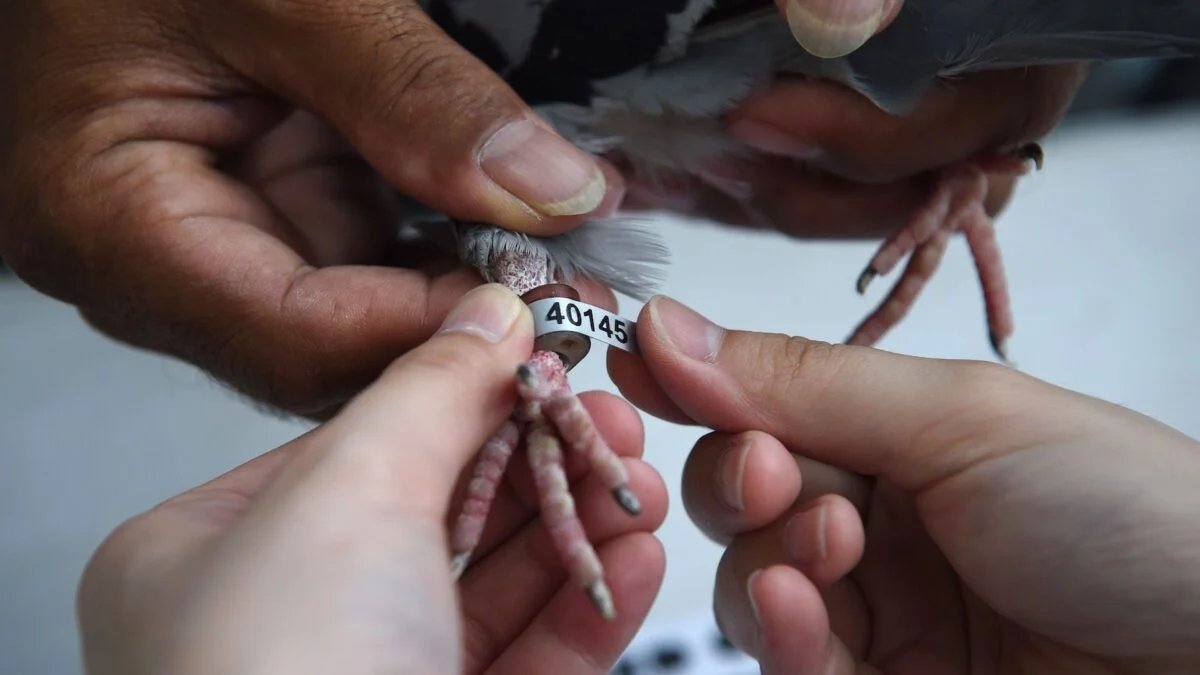
The skepticism toward these apps is rooted in a genuine respect for the efficiency of the homing pigeon. These birds have been the backbone of reliable, high-integrity communication from Roman times to the modern era.
Perhaps the most famous testament to their capability occurred in 2009, when a South African financial firm tested a bird named Winston against their local internet service provider. By strapping a memory card to the bird’s leg, the company transmitted data 50 miles away faster than the local ISP could move a mere 4% of that same data packet.
Ultimately, while Carrier Pidge and Roost offer a whimsical reprieve from the relentless notifications of modern life, they remain superficial homages. For the true enthusiast, the lesson is clear: we might be trying to slow down the internet to feel more "alive," but we should also recognize that when it comes to raw, reliable communication, the pigeons were doing it better long before we ever had a screen to stare at.