





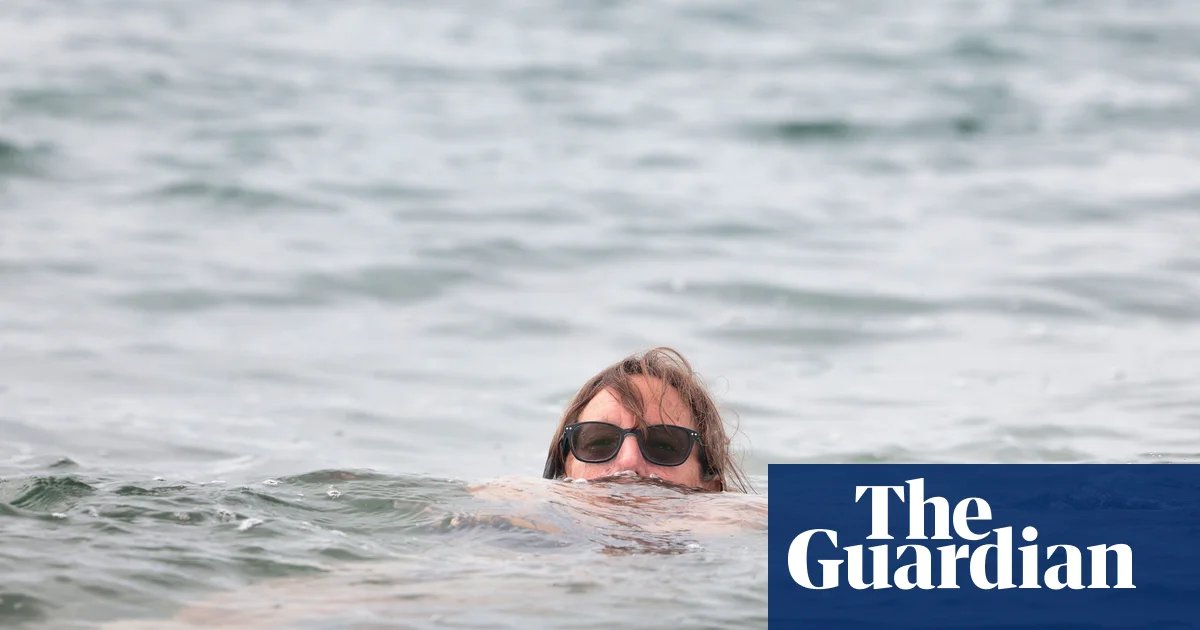
The Price of a Plunge: Brighton Swimmers Grapple with Growing Sewage Crisis
For generations, the British seaside has been a symbol of accessible, free, and restorative joy. But as heatwaves push more people toward the coast, a dark reality is dampening the summer spirit: a growing fear of what lies beneath the surface of the water.
In Brighton, a city synonymous with sea swimming, the ritual of checking tide tables and weather patterns has been usurped by a more concerning task: checking for sewage alerts.
The New Coastal Routine
Jo Armstrong, 75, a resident of nearby Lewes, is one of many whose daily routine has been upended. A regular swimmer in the waters of East Sussex, she has found her usual spots frequently closed due to pollution. “I’m furious,” she says, sitting on the pebbles of Brighton beach. “There’s a tiny bit of rain and then the sewage comes. It’s extraordinary that we can’t have clean beaches.”
The data supports her frustration. With Friends of the Earth recently ranking UK water companies based on their environmental impact, public attention has been laser-focused on the state of the nation’s waterways. In Brighton alone, records show 158 sewage alerts in 2025, including two in the month of August alone.
A Barrier to Healthy Living
For some, the risk of illness has become too high to justify the dip. Hildi Mitchell, who runs the “Pool to Pier” initiative—a program designed to help swimmers transition from safe pool environments to the open sea—is witnessing a decline in confidence.
“There are swimmers who have swum with us in the pool all year round but won’t come out in the sea in the summer because they’re worried about becoming ill,” Mitchell says. She emphasizes that this is a matter of equity; for low-income families, the sea is often the only accessible, free recreational space. “Swimming should be something that’s free and available to local families, but it’s not, and that’s really sad.”
The “Black Line” vs. The Open Ocean
The pollution crisis is forcing dedicated swimmers to find alternatives. Greg Veros, 59, a long-time Brighton resident, abandoned the ocean after falling ill years ago—an experience he attributes to water pollution. He has since turned to the city’s outdoor pools. While he calls the local pool “the best thing to have happened to Brighton,” he acknowledges it is a poor substitute for the sea.
Others, like Anna Field, 54, remain determined to brave the waves but carry a sense of resentment. “When pollution stops me from swimming, it’s a bit like not being able to walk in the park because it’s raining,” she explains. “Except with this, you feel people are to blame.”
Field describes the ocean as having its own personality—a living, shifting environment that offers a freedom no pool can replicate. “It would be a real shame if that were less accessible,” she says.
As record-breaking heatwaves continue to test the endurance of the UK’s aging infrastructure, the message from the Brighton shoreline is clear: residents are no longer willing to accept pollution as an inevitable consequence of rainfall. They are demanding the right to enjoy their coast without the shadow of contamination.