









If you thought the NFL’s opening weekend felt particularly high-octane, you weren’t just imagining it. The league has officially entered the record books, as Week 1 produced the most explosive offensive showing in the history of the modern NFL.
Entering Sunday night’s showdown between the Dallas Cowboys and the New York Giants, the league was averaging a staggering 50.1 combined points per game. That figure stands as the highest average scoring mark since the AFL-NFL merger in 1970. According to data provided by NBC, the Sunday slate alone shattered all previous records for a Week 1 Sunday, turning stadiums across the country into high-scoring arenas.
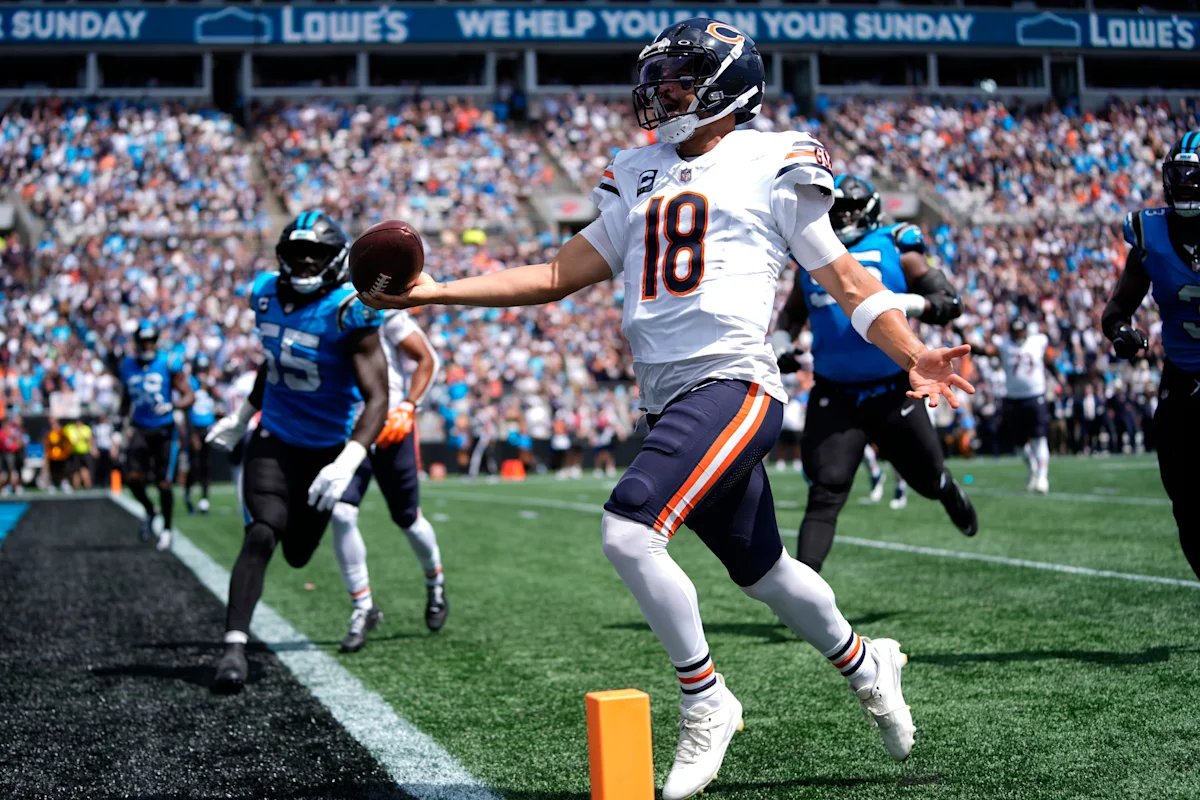
The crown jewel—or perhaps the breaking point—of this offensive surge was the barn-burner in Charlotte, where the Chicago Bears dismantled the Carolina Panthers in a 59-37 victory. The contest was historic in its own right, setting a new single-game scoring record for a Week 1 matchup. By the time the dust settled, the two teams had combined for nearly 100 points, with Chicago’s final touchdown serving as little more than a exclamation point on a day defined by complete defensive fatigue.
While fans were treated to a festival of touchdowns, the league’s observers are now scrambling to explain the historic offensive outburst. Stepping into his new role as an analyst for NBC, former Pittsburgh Steelers head coach Mike Tomlin offered a compelling theory during the halftime broadcast of the Cowboys-Giants game.
Tomlin, drawing on his 25 years of experience in coaching, attributed the scoring spike to the changing nature of NFL practice regimens. “I think how we practice and how we prepare our teams today really kind of lends itself to offenses starting faster than they have historically,” Tomlin explained to host Maria Taylor.
The veteran coach pointed to the reduced physicality of modern training camps as a primary culprit. “There is less violence in team development,” Tomlin noted. “There are less padded practices. Even the drills that they do are more geared to skill development—7 on 7 and things of that nature. Defenses spend less time shedding blocks and tackling than they used to 25 years ago when I came into the league.”
Tomlin’s assessment suggests that the current gap between offense and defense is a byproduct of modern safety protocols and evolving practice philosophies, which favor timing and chemistry over brute physical preparation. However, he also offered a glimmer of hope for defensive coordinators. If his theory holds water, the disparity should shrink as the season progresses. As teams get more regular-season game experience and increase their physicality, defensive units will likely hone their tackling and block-shedding techniques, eventually leveling the playing field.
For now, the scoreboard suggests that the pendulum has swung heavily in favor of the offense. Whether this remains the new normal or settles back into historical norms, one thing is certain: the NFL has never started a season with quite this much noise.
Disclaimer: This content is auto-generated for informational purposes only.
Source: Read Original News