








Strategic Reprieve: US Waives Russia-Linked Sanctions, Bringing Relief to India’s Energy Sector
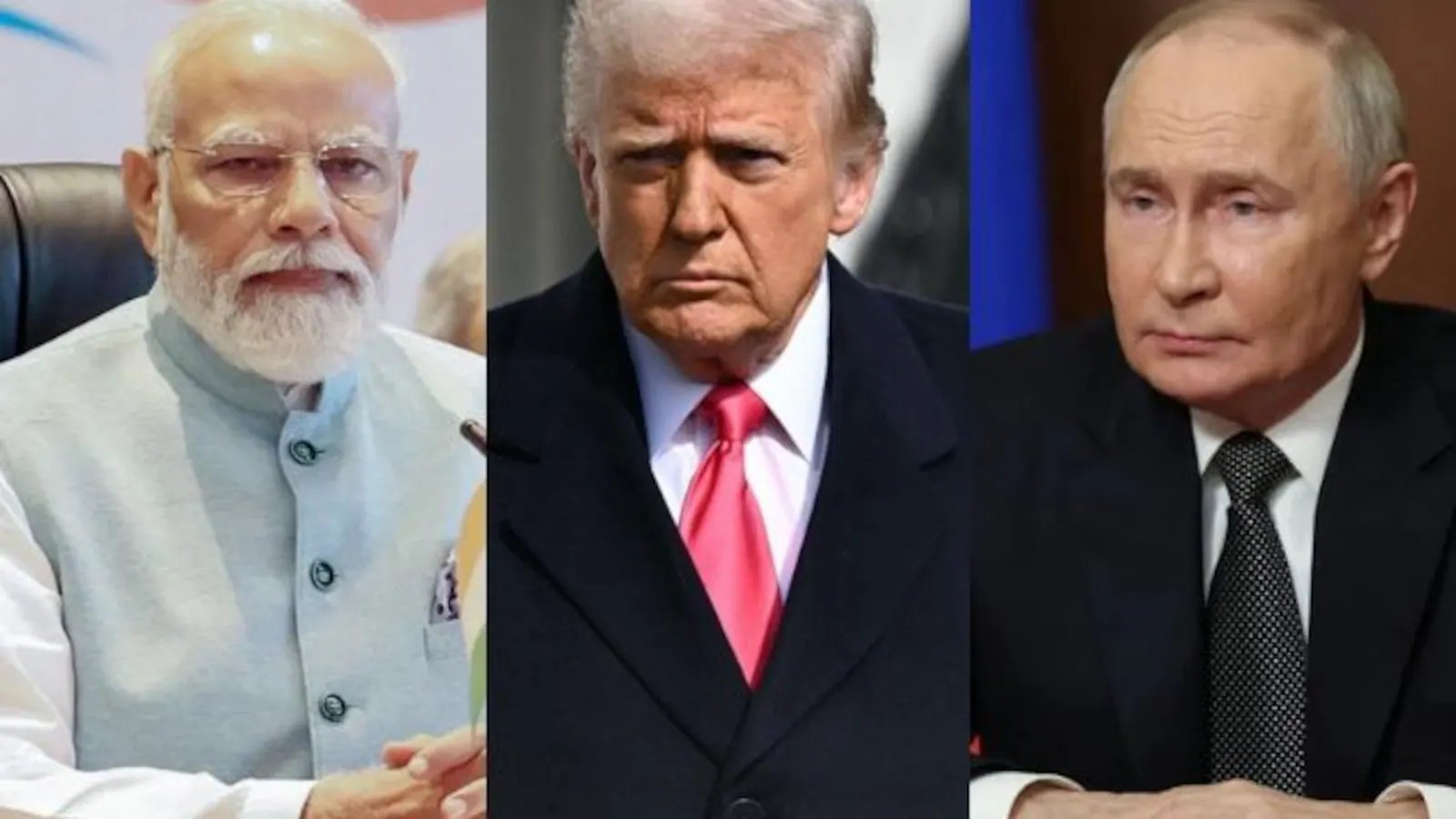
New Delhi: In a move that significantly eases geopolitical and economic anxieties, United States President Donald Trump has issued an executive order waiving a sweeping range of sanctions and tariffs tied to Russian exports. The decision, announced late Friday, arrives just 24 hours before the punitive measures—mandated by a controversial legislative act—were set to take effect.
The President stated that the temporary suspension of these measures was enacted in the “national interest.” In a formal communication to Congress, the White House confirmed that the waiver certification had been submitted, effectively granting a vital reprieve to nations that maintain significant energy trade relations with Moscow.
The ‘Graham Act’ and its Potential Impact
The sanctions were part of the ‘Lindsey O Graham Sanctioning Russia and Iran Act of 2026,’ a piece of legislation named in honor of the late Senator Lindsey Graham, a fierce advocate for Ukraine who passed away in July. The Act was designed to cripple the financial lifelines fueling Russia’s military operations by targeting its banking, energy, and government sectors.
Had the waivers not been granted, the law would have permitted the US to impose crushing tariffs of up to 100 per cent on countries that purchase Russian oil and gas. For India, the consequences would have been twofold; such a tariff would have been layered on top of existing US penalties—a 10 per cent levy currently applied to Indian imports due to disputes over forced labor practices. With India and China topping the list of the ten nations most exposed to these secondary sanctions, the diplomatic and economic stakes were exceptionally high.
India’s Diplomatic Balancing Act
Throughout the lead-up to the implementation of the Act, New Delhi maintained a firm and consistent stance. Indian officials consistently highlighted the country’s sovereign right to ensure energy security for its population of 1.4 billion.
“India remains firmly committed to ensuring energy security for its 1.4 billion people. It will continue to do so through diversified sourcing and based on evolving market dynamics,” the Ministry of External Affairs had reiterated in recent weeks.
Diplomatic sources indicate that the potential fallout of the sanctions was the subject of intense, high-level discussions between New Delhi and Washington. Indian interlocutors had clearly articulated the risks these sanctions posed not only to bilateral ties but also to the stability of the fragile international energy market.
What This Means for Global Markets
The waiver provides a crucial “cooling-off” period for global commodity markets, which had been bracing for a significant supply shock. By choosing to exercise his executive authority to pause these tariffs, President Trump has effectively avoided an immediate escalation that could have disrupted global oil flows and strained relations with major economic partners.
While the executive order provides immediate relief, experts suggest that the underlying tensions regarding energy dependencies and geopolitical alignments remain. For now, however, the threat of punitive US tariffs on Russian-linked energy imports has been neutralized, offering a sigh of relief to policymakers in New Delhi and other global capitals.
Disclaimer: This content is auto-generated for informational purposes only.
Source: Read Original News