






New US Sanctions Law Sparks Tariff Fears for India’s Energy Trade
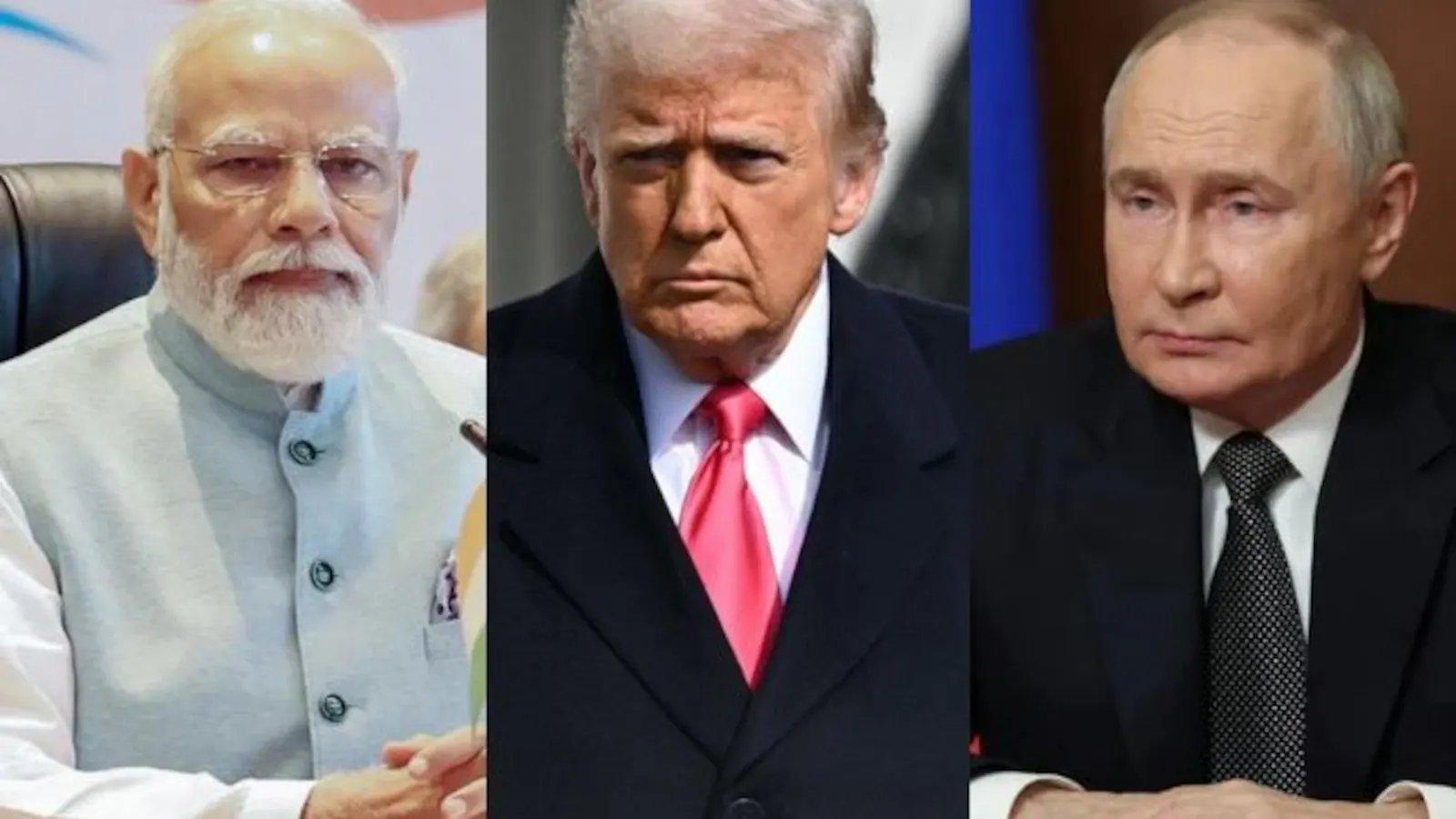
New Delhi: The geopolitical landscape for India’s energy sector has turned uncertain after US President Donald Trump signed the “Lindsey O Graham Sanctioning Russia and Iran Act of 2026” into law. The sweeping legislation grants the US administration broad powers to impose substantial tariffs on nations that continue to conduct oil and gas trade with Moscow, placing India, along with China and several other countries, in the crosshairs of potential economic penalties.
The act, named in honor of the late Senator Lindsey Graham, was passed by the US House of Representatives earlier this week with a vote of 262-159. The primary objective of the law is to systematically diminish the financial reserves that fuel Russia’s ongoing military campaign in Ukraine by targeting Russian banking, energy infrastructure, and senior leadership, including President Vladimir Putin.
The Threat of Stiff Tariffs
Under the new mandate, the US government is authorized to levy tariffs as high as 500 percent on Russian-origin goods. More concerning for global trade partners is the provision targeting countries that serve as major importers of Russian energy or facilitators of sanctions evasion; these nations could face duties of up to 100 percent on their exports to the United States.
While an earlier amendment had specifically identified ten nations—including India, China, Turkey, and the UAE—as being susceptible to these secondary tariff provisions, the law currently grants President Trump discretionary authority to decide if and when to trigger these measures. Should the administration move to impose the 100 percent tariff, it would represent a significant escalation, potentially stacking on top of existing punitive duties currently applied to Indian imports due to labor-related disputes.
India’s Stance on Energy Security
The Ministry of External Affairs in New Delhi has responded to the development with a firm commitment to safeguarding the nation’s economic interests. In a formal statement released on Wednesday, the government reiterated that it is navigating these geopolitical challenges with a focus on its 1.4 billion citizens.
“India remains firmly committed to ensuring energy security for its 1.4 billion people,” the ministry stated. “It will continue to do so through diversified sourcing and based on evolving market dynamics.”
New Delhi has maintained an active dialogue with American counterparts, emphasizing that its energy trade decisions are guided by national necessity rather than geopolitical posturing. Officials have communicated to Washington the potential negative fallout that such tariffs could trigger, not only for bilateral trade ties but for the stability of the global energy market as a whole.
Internal Skepticism in Washington
The legislation has not been without controversy within the United States. Reports suggest that even among the Republican majority, there was considerable internal pushback. Many lawmakers expressed concern that granting the executive branch such aggressive tariff powers could inadvertently trigger domestic inflation, raising prices for American consumers already grappling with economic headwinds.
As the situation unfolds, Indian policymakers are closely monitoring the US administration’s next moves. With the legal framework now in place, the immediate impact on Indian exports remains dependent on the specific tariff rates the White House chooses to announce in the coming weeks. For now, India continues to advocate for a pragmatic approach, balancing its strategic autonomy with the realities of an increasingly restrictive global trade environment.
Disclaimer: This content is auto-generated for informational purposes only.
Source: Read Original News