









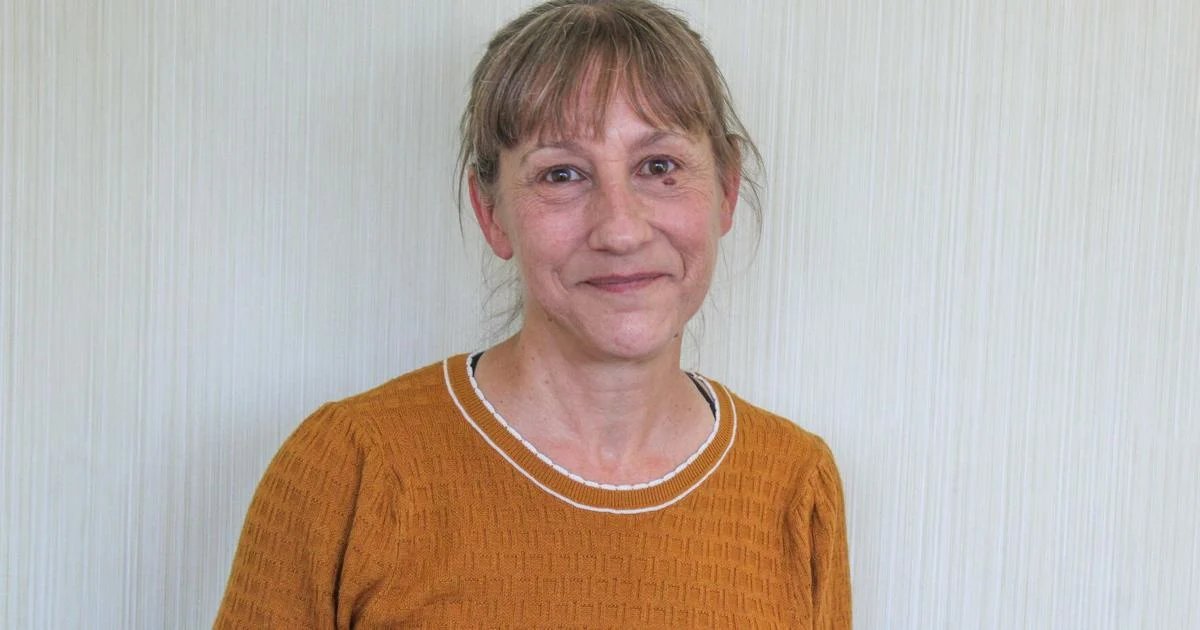
As Coweta County approaches its upcoming local elections, the landscape of the District 2 Board of Commissioners race is shifting as candidate Amiee Tybor makes transparency and community oversight the pillars of her campaign. Driven by the recent local controversy surrounding the massive “Project Sail” data center initiative, Tybor is challenging the current administration’s approach to large-scale industrial growth and infrastructure planning.
The Data Center Dilemma: Balancing Tech Expansion with Public Interest
The tech industry’s rapid expansion into suburban areas has placed significant pressure on local municipalities to accommodate massive data centers. These facilities, essential to the infrastructure behind modern cloud computing and generative AI, often require immense energy and water resources. For Tybor, the approval process for Project Sail was a watershed moment that highlighted a disconnect between local government and its constituents.
“The health risks, the resource consumption, and the sheer scale of these projects are too great to be decided without a seat at the table for the community,” Tybor noted. Her platform calls for a radical increase in government accountability, specifically suggesting that developments of this nature should undergo a referendum process similar to the one required for liquor store permits in the county. By advocating for mandatory town hall meetings, Tybor aims to bridge the gap between technological industrialization and the residents who must live with the long-term environmental and infrastructure consequences.
Economic Strategy: Small Business vs. Corporate Scale
While global tech giants look to local counties to house the hardware supporting the next wave of AI and digital services, Tybor argues that Coweta County’s economic strategy is currently skewed toward quick, high-profit developments rather than long-term stability. She expresses concern that the county’s focus on rapid growth is eroding the local sense of community.
To counter this, her economic platform prioritizes the “Main Street” approach. Tybor proposes a shift in financial incentives, moving away from the large tax breaks often afforded to major industrial developers and toward smaller, locally owned businesses. Her suggested support systems include:
- Targeted Tax Incentives: Offering breaks specifically tailored to local startups and small operations.
- Subsidized Marketing: Providing tools to help homegrown businesses compete in a digital-first economy.
- Temporary Tax Deferments: Creating financial breathing room to ensure small businesses can survive broader economic downturns.
Housing and Social Infrastructure
Beyond industrial policy, Tybor is calling for a “pause and reflect” approach to residential development. She believes the current trend of prioritizing large, luxury-style subdivisions leaves a gap in the market for truly affordable housing. According to Tybor, the county needs to pivot toward more practical housing solutions that are resilient to market fluctuations, ensuring that the community remains accessible to a diverse range of residents.
Furthermore, she is pushing for a rebalancing of the county’s budgetary priorities. By contrasting the funding allocated for high-tech surveillance tools—specifically mentioning FLOCK cameras—with the current $70,000 budget for women’s and children’s services, Tybor argues that the county’s investment in people has been neglected in favor of investment in hardware and monitoring.
“Our community is too large, diverse, and intelligent to be sidelined,” she said. Emphasizing a career spent working in small businesses, Tybor positions herself as a bridge-builder capable of navigating diverse political opinions. As the county faces the dual pressures of technological growth and economic change, her campaign asks voters to consider whether the current trajectory serves the people or merely the bottom line.
Early voting for the Coweta County elections commences on October 13, with the final polls closing on Election Day, November 3.
Disclaimer: This content is auto-generated for informational purposes only.
Source: Read Original News