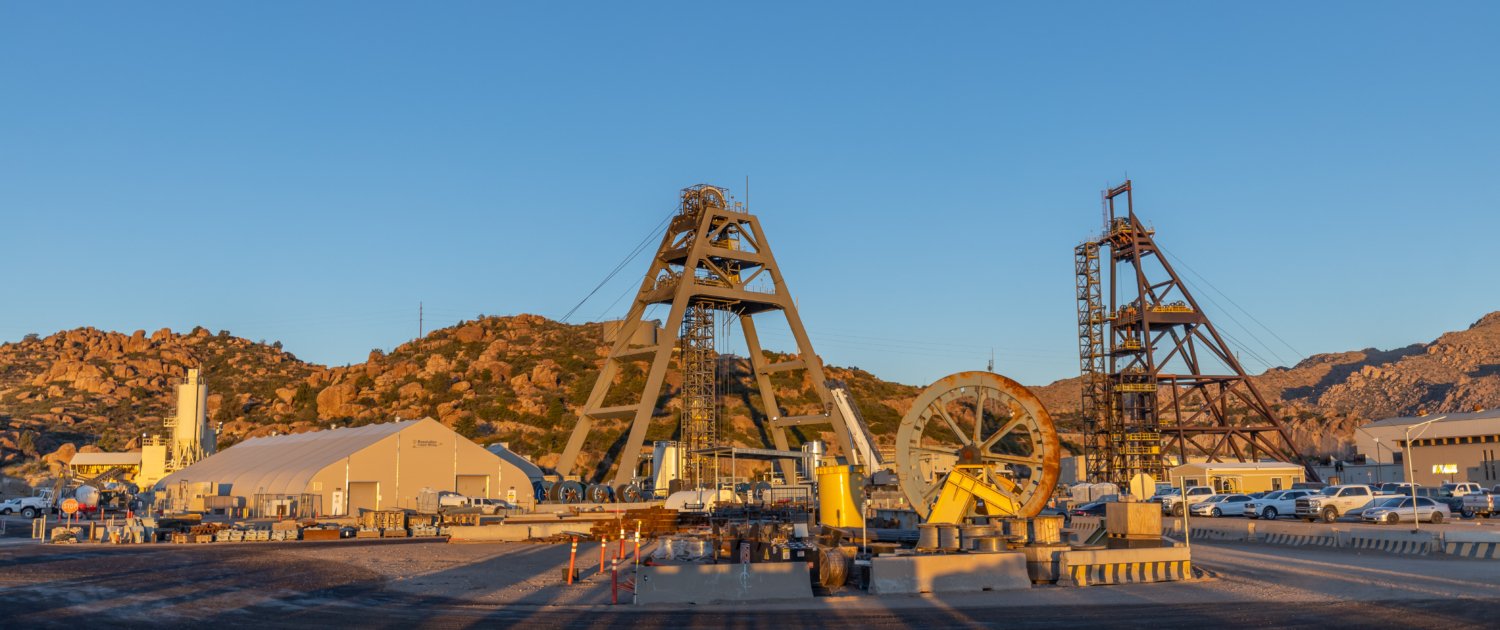






Tyson Foods, a prominent player in the meatpacking industry, has announced significant restructuring within its beef business, driven by what the company describes as “strategic changes” amidst an unprecedented cattle shortage. This strategic realignment involves the closure of two facilities, located in Joslin, Illinois, and Eagle Mountain, Utah, respectively. Furthermore, the company is actively pursuing the sale of its beef processing plant in Pasco, Washington. These measures are a direct response to a challenging market environment characterized by dwindling cattle supplies and the ripple effect of elevated beef prices impacting consumers nationwide.
The company’s new operational blueprint for its beef division will center around three core facilities situated in the central United States: Dakota City, Nebraska; Holcomb, Kansas; and Amarillo, Texas. This consolidation aims to forge a more competitive and streamlined footprint, better equipped to navigate the severe and enduring cattle shortages the nation is currently experiencing. Tyson Foods emphasized that recent data from the USDA, which indicates a continued reluctance among ranchers to retain heifers for breeding, suggests that these supply constraints are not a temporary phenomenon but are likely to persist for an extended period. Such an environment necessitates proactive and strategic adjustments to maintain operational efficiency and market stability.
The capacity previously handled by the closing Illinois and Utah facilities will be strategically reallocated to other existing Tyson locations. The company asserts that these remaining facilities possess “ample capacity to grow,” implying a readiness to absorb the displaced production volume without significant disruption. In a move signaling future optimism, Tyson also plans to reactivate a second shift at its Amarillo, Texas, plant once cattle availability improves. This phased approach underscores the company’s commitment to adapting to the fluctuating supply chain dynamics while maintaining its market presence.
These organizational shifts are set against a backdrop of increasing financial pressure on American consumers, who continue to contend with high beef prices. Concurrently, meatpackers like Tyson are grappling with the dual challenge of scarce cattle supplies and escalating operational costs. The fundamental cause of this historic cattle shortage is attributed to prolonged drought conditions in key ranching regions. These arid conditions have severely reduced the availability of forage, compelling ranchers to liquidate their herds at an accelerated rate, thereby diminishing the overall cattle population.
During a recent earnings call, Tyson Foods’ CEO, Donnie King, candidly acknowledged the underperformance of the beef segment, stating, “Beef hasn’t performed the way we expected, and we’re not pretending otherwise.” This statement highlights the profound impact these external factors have had on the company’s profitability and operational strategies. Despite these challenges, Tyson Foods has committed to providing comprehensive support for employees affected by the closures. This includes assisting them in applying for open positions at other Tyson facilities, aiming to mitigate the adverse effects of these transitions on its workforce. The broader implications of these decisions extend beyond Tyson Foods, signaling a critical period for the entire food supply chain in the United States.