






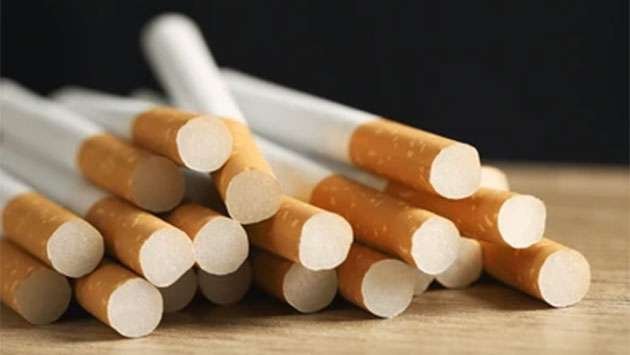
COLOMBO — Sri Lanka has officially ascended to the top of the global rankings for cigarette pricing, with recent fiscal policy shifts and heavy taxation rendering the island nation the most expensive place in the world to purchase tobacco products. This development, which has caught both international observers and local consumers by surprise, marks a dramatic turning point in the country’s aggressive public health strategy.
The surge in prices is largely attributed to a series of substantial tax hikes implemented by the government over the past year. In an effort to bolster state revenue amid an ongoing economic recovery and to curtail tobacco consumption, authorities have imposed compounding levies on manufacturers and distributors. These costs have been passed directly to the consumer, pushing the price of a single cigarette to levels that dwarf even the historically high costs seen in Australia, New Zealand, and the United Kingdom.
Public health advocates have largely lauded the move as a monumental victory for national wellness. “The correlation between price and consumption is undeniable,” noted a spokesperson for a Colombo-based health policy think tank. “By making these products economically inaccessible, we are not only discouraging new users, particularly the youth, but we are also providing a powerful financial incentive for current smokers to quit. This is the most effective tobacco control measure we have seen in decades.”
However, the rapid increase has sparked intense debate among the public and within the retail sector. Small shop owners, who rely on small-margin sales of tobacco products as a primary driver of foot traffic, have reported a significant downturn in revenue. Many retailers fear that the exorbitant pricing will trigger an uptick in the illicit cigarette trade, as consumers seek cheaper, unregulated, and potentially more dangerous alternatives.
“People are shocked when they see the updated price lists,” said a convenience store proprietor in Pettah. “Many customers are now walking away without buying anything, or they are asking for single sticks, which are becoming harder for them to afford. There is a real concern that this is driving people toward the black market, where quality control is non-existent.”
Economic analysts suggest that the strategy carries both risks and rewards. While the primary goal is to reduce smoking-related illnesses—which place a heavy burden on the nation’s public healthcare system—there is also the fiscal aspect of filling the national coffers. With inflation already a major concern for households, the affordability crisis has extended beyond just food and fuel to include discretionary habits.
As the government continues to prioritize these health-focused tax policies, the long-term impact on smoking prevalence remains to be seen. For now, Sri Lanka remains an outlier on the global stage, holding the title for the world’s most expensive cigarette market and serving as a high-stakes case study for aggressive fiscal intervention in public health.
Disclaimer: This content is auto-generated for informational purposes only.
Source: Read Original News