





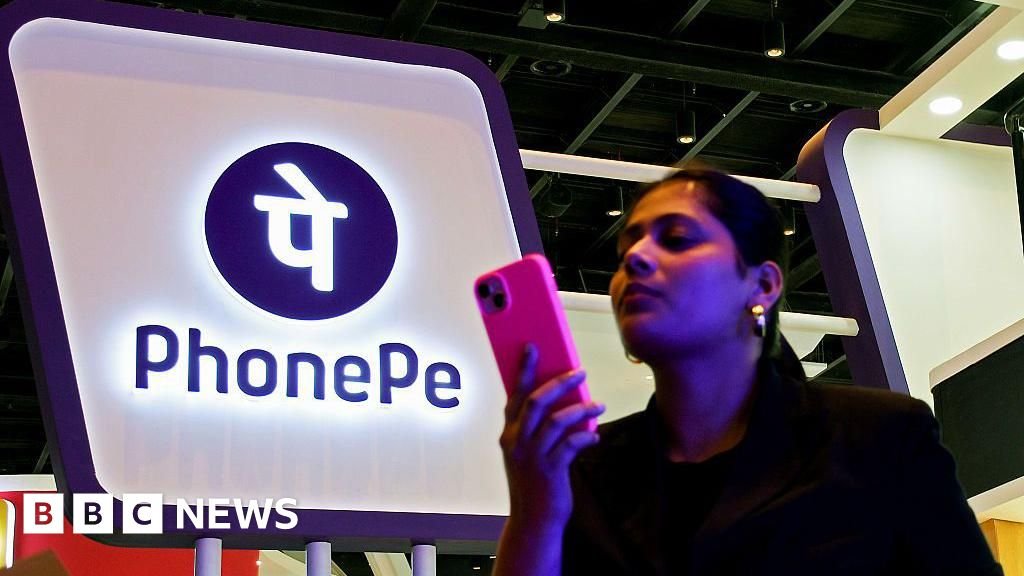
India’s remarkably successful Unified Payments Interface (UPI) system, a digital payment innovation that has revolutionized financial transactions across the nation, is currently facing a pivotal moment with discussions emerging around the potential implementation of merchant fees. This development prompts critical questions about the long-term sustainability of the platform’s current model, the equitable distribution of transaction costs, and the potential impact on user adoption and behavior. While UPI has dramatically accelerated the shift towards a cashless economy, processing an astounding 12.8 billion transactions valued at ₹18.23 lakh crore (approximately $218 billion USD) in May alone, the financial burden of maintaining and expanding this vast infrastructure has largely been borne by the government and banks.
The National Payments Corporation of India (NPCI), the body that developed and oversees UPI, has previously contemplated various strategies to introduce some form of revenue generation, including a small interchange fee. However, these proposals have consistently met with resistance, particularly from consumer advocacy groups and the government, which has championed UPI’s free-to-use model as a cornerstone of financial inclusion. The prevailing sentiment has been that any charge, no matter how small, could deter users, especially those in rural areas or with limited financial literacy, from embracing digital payments.
Despite its immense popularity and impressive transaction volumes, the operational costs associated with UPI are substantial. Banks invest heavily in technology, security, and customer support to facilitate these transactions. The current system, where merchants primarily absorb the costs associated with traditional card payments through a Merchant Discount Rate (MDR), has left UPI as a largely free service for both consumers and merchants. This disparity has led to calls for a more balanced approach to cost recovery.
The central dilemma lies in determining who ultimately bears these potential new charges. If merchants are required to pay a fee, there’s a strong possibility that they might pass these costs on to consumers, either through slightly higher prices for goods and services or by subtly discouraging UPI payments in favor of other methods. This could erode one of UPI’s primary attractions: its cost-free convenience. Conversely, if banks are expected to continue absorbing all costs, their financial sustainability could be jeopardized, potentially impacting the quality of service or slowing down further innovation.
The debate also extends to the very nature of UPI’s public utility. Many argue that as a critical piece of national digital infrastructure, its basic services should remain free, with the government continuing to subsidize its operation as a public good. However, others contend that for UPI to evolve and remain at the forefront of global payment innovation, it needs a sustainable revenue model that incentivizes continued investment and expansion.
Any move to introduce fees would require careful consideration and a nuanced approach to avoid undermining the significant progress made in digital financial inclusion. The government, regulators, banks, and technology providers would need to collaborate to devise a fee structure that is minimal, transparent, and designed to have the least possible impact on consumers, particularly those at the lower end of the economic spectrum. The success of UPI has been its accessibility and zero-cost proposition, and any deviation from this will undoubtedly be met with scrutiny. The future trajectory of this groundbreaking payment system hinges on finding a delicate balance between financial viability and widespread adoption, ensuring that the benefits of digital payments continue to reach all segments of Indian society. For more details on the potential introduction of these fees, you can refer to this BBC News report. This situation is a key topic within India news.