








Canada Halts Trade Negotiations with the US Amid Standoff Over ‘Unfair’ Demands
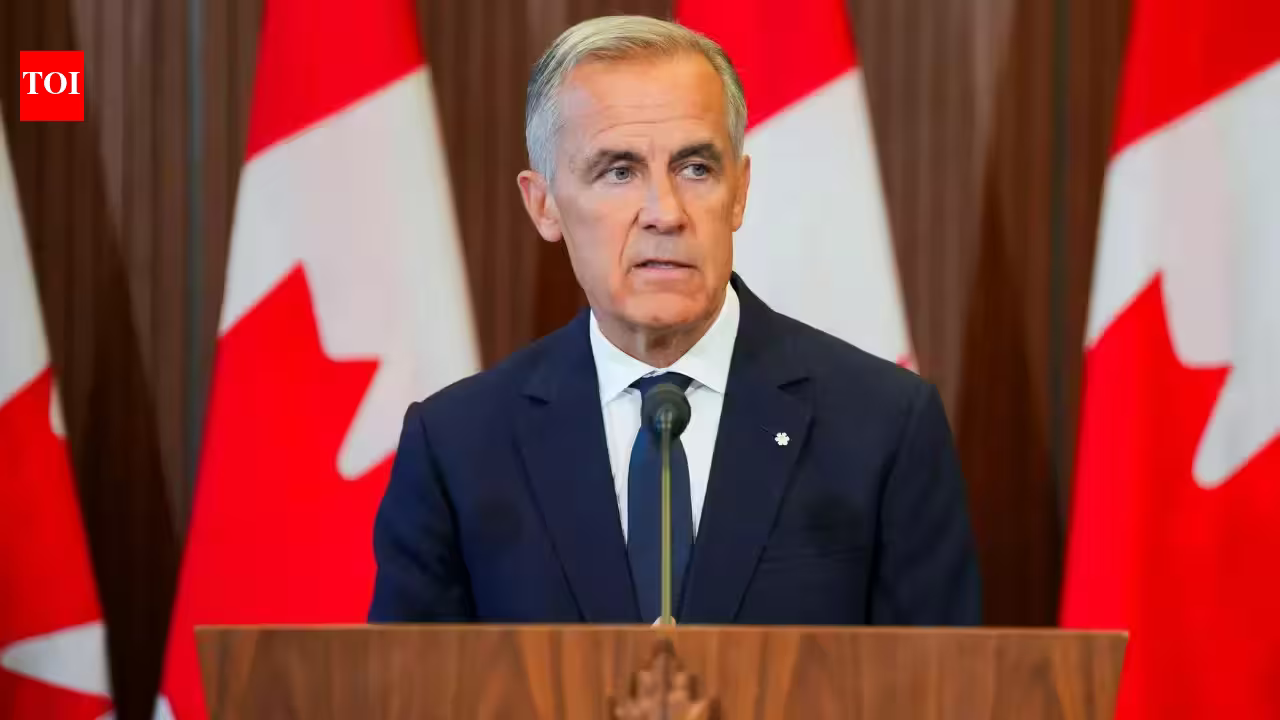
In a significant escalation of North American trade tensions, Canada has officially suspended trade negotiations with the United States following a breakdown in high-level talks. Canadian Prime Minister Mark Carney announced the move on Saturday, declaring that a series of "last-minute" demands from Washington rendered a fair agreement impossible.
The collapse of the talks, which had been ongoing for months, marks a major rupture in the diplomatic and economic relationship between the two historic allies.
The Three ‘Deal-Breakers’
Prime Minister Carney detailed three specific areas where the United States introduced new, non-negotiable terms in the final hours of the deliberation process. According to Ottawa, these demands were not only "uneconomic" but also threatened Canadian sovereignty.
- Restructuring the Auto Industry: Washington sought to alter tariff levels and the classification of Canadian-made parts. Specifically, the US pushed for exclusions that would target medium and heavy-duty trucks, a move that would have severely handicapped major production plans at Ford and GM facilities in Canada. Carney noted there was no economic rationale provided for these exclusions, which he argued would make Canadian production unsustainable over time.
- Constraints on Sovereign Trade Policy: The US attempted to introduce language that would restrict Canada’s ability to strike independent trade agreements with other nations. After successfully securing 20 new economic and security partnerships over the past year, Canada rejected the attempt to limit its future market access, viewing it as a direct infringement on its economic autonomy.
- Threats to Cultural Protections: Perhaps most sensitive were the US demands regarding Canadian language and culture. Carney stated that Washington introduced terms that undermined protections for the French language and Quebec’s cultural identity—a red line for the Canadian government.
"Masters in Our Own Home"
Rejecting the eleventh-hour proposal, the Prime Minister stated, "In short, they asked too much, and they offered too little." He emphasized that the cumulative effect of these requests revealed a fundamental lack of commitment to a true partnership, asserting that Canada remains "masters in our own home."
The breakdown has sent shockwaves through the regional economy. As the talks faltered, the US initiated a 50% tariff on $20 billion worth of Canadian goods. In response, Canada has confirmed it will implement retaliatory measures starting September 8, pledging a "dollar for dollar" response to protect affected industries, including dairy, steel, and electronics.
A Lack of Trust
The failure to reach a US FTA proposal is being viewed by analysts as a crisis of confidence. Prime Minister Carney pointed to a lack of cohesion within the US administration, contrasting it with the unity of the Canadian negotiating team.
With no further talks scheduled, both nations are now bracing for a deepened trade war. The suspension of these negotiations leaves the future of cross-border economic integration in uncertainty, casting a long shadow over the long-standing alliance between Ottawa and Washington.