







Beyond the MacBook Neo: Can Chinese PC Maker Chuwi Truly Compete with Apple?
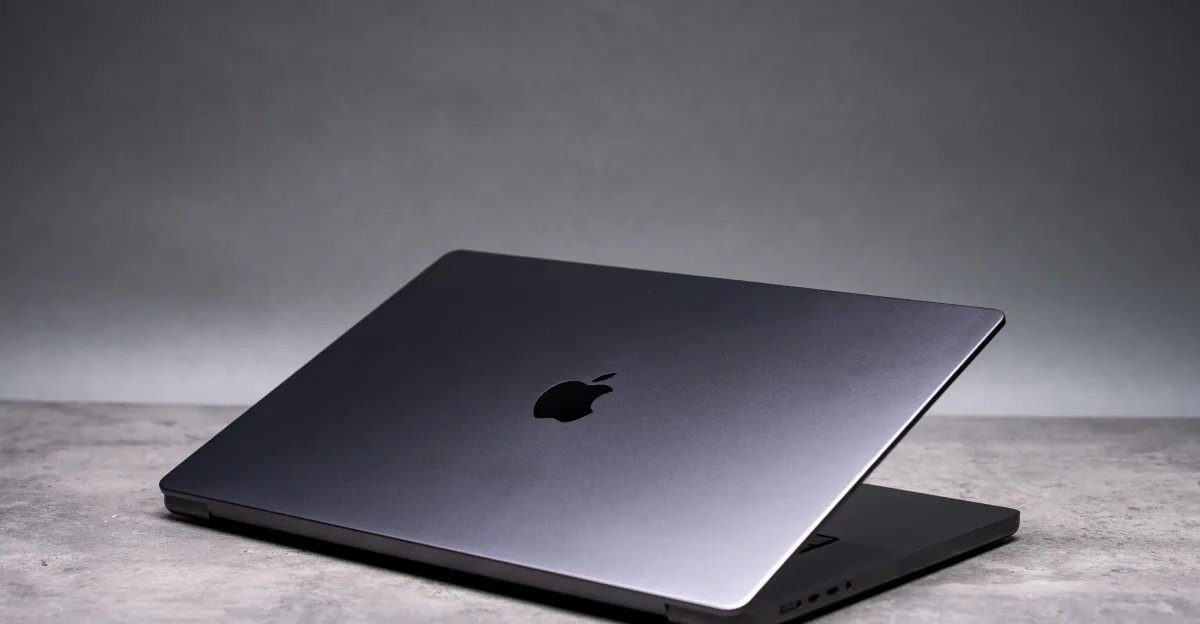
As the consumer electronics market grapples with rising component costs and supply chain constraints, Apple’s MacBook Neo—once heralded as the definitive budget-friendly powerhouse—has seen its price tag climb from $599 to $699. This shift has left a void in the market for users seeking performance without a premium price, a gap that the Chinese electronics manufacturer Chuwi is aggressively targeting.
While industry giants like Dell, HP, and Asus navigate the challenges of balancing value and build quality, Chuwi has quietly carved out a niche on platforms like Amazon and AliExpress. But for the average consumer, the question remains: is this brand a legitimate alternative to Apple, or a risk not worth taking?
The Evolution of a Challenger
Founded in 2004 in Shenzhen, China’s primary technology hub, Chuwi’s journey began with MP3 players before shifting toward the PC market in 2013 via partnerships with Intel and Microsoft. The company has since expanded into a robust portfolio of Windows tablets, notebooks, and mini-PCs.
Despite claiming a top-three market position in China for its specific segment, the company remains largely under the radar in Western markets. Its growth strategy has relied on aggressive pricing and a high-frequency release cycle, often utilizing crowdfunding platforms like Indiegogo to gauge interest in new hardware.
Trust and Transparency: A Checkered Past
Consumer skepticism toward Chuwi is not without merit. The company’s reputation faced a significant hurdle in 2026 when reports emerged that it was shipping “CoreBook” models equipped with outdated AMD Ryzen 5 5500U processors despite marketing them as containing the newer Ryzen 5 7430U.
The incident drew criticism from industry observers and sparked a response from AMD, which distanced itself from the practice. While Chuwi acknowledged the error, cited production issues, and offered refunds, the brand’s marketing transparency remains a point of scrutiny for prospective buyers.
The UniBook vs. The MacBook Neo
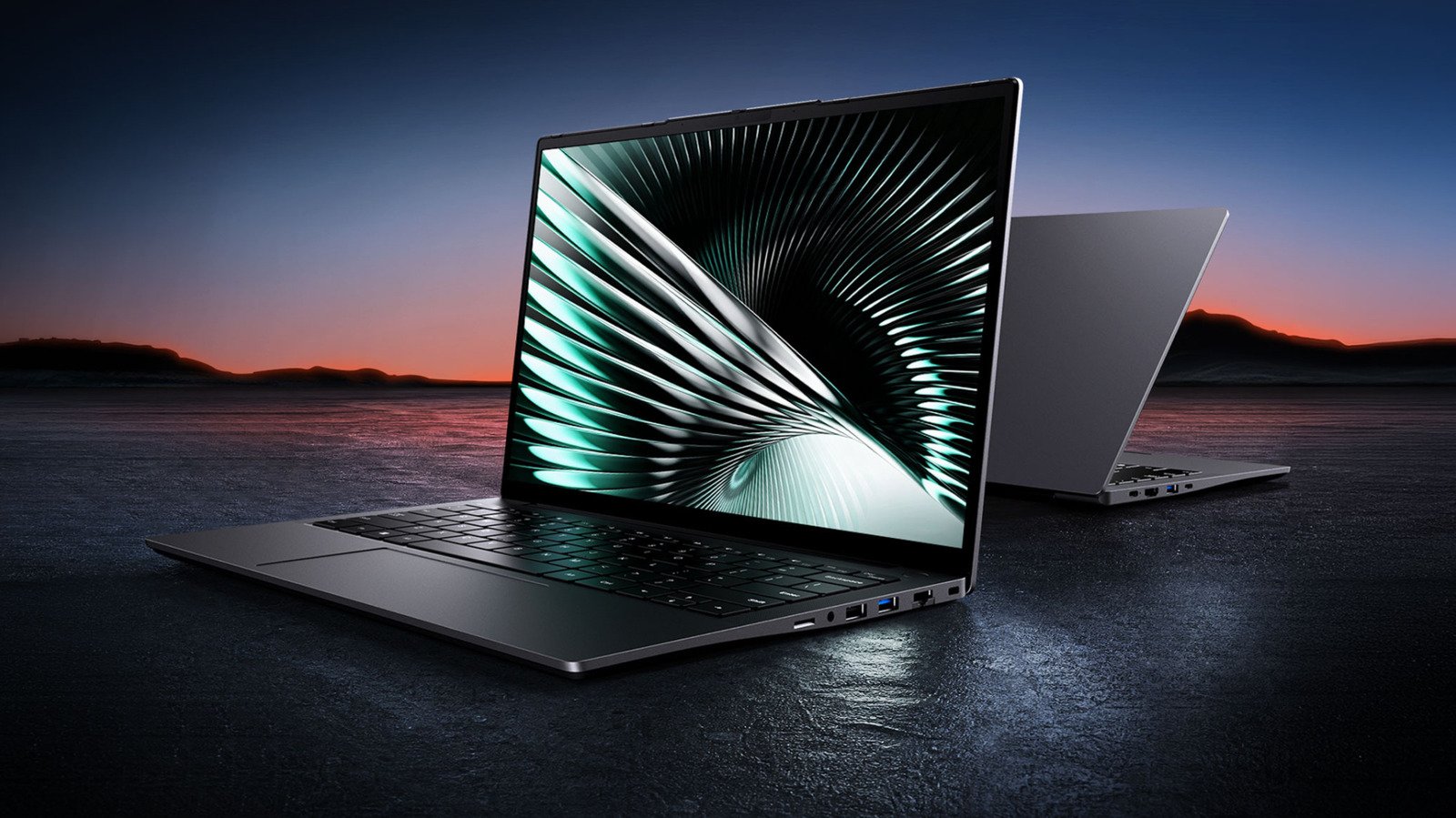
Chuwi is currently betting its reputation on the Chuwi UniBook, a 14-inch machine powered by the latest Intel Core Series 3 304 chip based on the Wildcat Lake architecture.
On paper, the UniBook aims to spar directly with the MacBook Neo. With 8GB of LPDDR5 RAM and a crisp 1200p 16:10 display, it carries a competitive price point, often found for around $449—significantly cheaper than Apple’s entry-level offering. While benchmarks indicate that the Core Series 3 chip can keep pace with the Apple A18 Pro in specific tasks, the two machines operate in entirely different ecosystems.
The Verdict: Should You Buy?
For users tethered to the macOS environment, Chuwi’s hardware is not a functional replacement regardless of the price. However, for those comfortable in a Windows environment, the UniBook offers a compelling, albeit higher-risk, alternative.
Industry analysts suggest that because other major manufacturers are expected to launch their own 304-based laptops later this year, consumers might be better served by waiting. With the broader market trending toward seasonal discounts, shoppers have more options than ever to find high-quality hardware without needing to take a gamble on a controversial, albeit budget-friendly, newcomer.