







“Not a Happy Environment”: Inside the White House as Iran Conflict Strains the Trump Administration
The mood within the West Wing has reportedly soured as the prolonged military engagement with Iran continues to defy early expectations, casting a shadow over the administration’s preparations for the upcoming midterm elections.
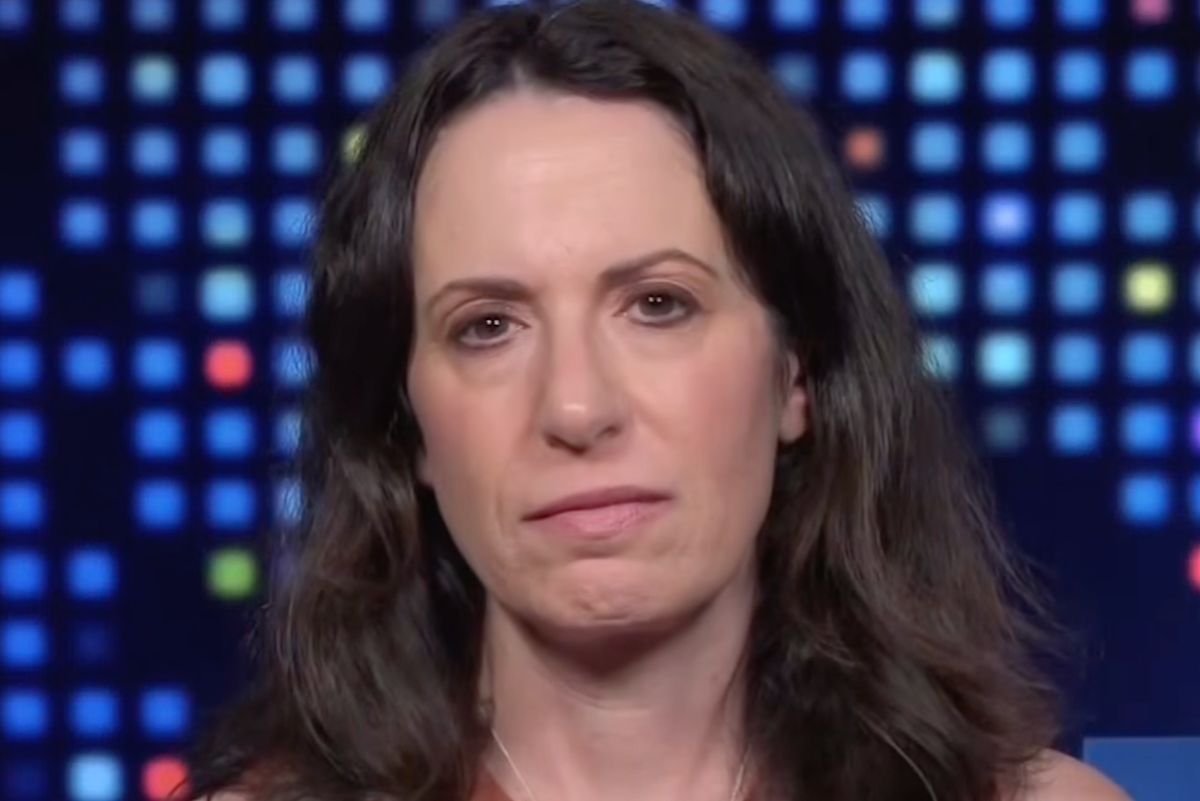
According to New York Times journalist Maggie Haberman, the White House is currently “not a happy environment.” Speaking on CNN’s Laura Coates Live this past Thursday, Haberman described a volatile atmosphere fueled by the president’s growing agitation regarding the ongoing conflict, which she suggested has become a predicament of his own design.
A War That Refuses to End
The conflict, which began in February with an initial bombing campaign, was widely anticipated by the administration to be a swift operation. “He believed… that this was going to be a quick war,” Haberman said, referencing reporting from her recent book Regime Change, co-authored with Jonathan Swan. “This would be over fast, and that is just not how it worked.”
Six months into the campaign, the strategic situation remains precarious. In response to the U.S. strikes, Iran shuttered the Strait of Hormuz—a vital maritime chokepoint responsible for a significant portion of global oil transit. Despite President Trump’s assertions that he maintains control of the waterway, the continued disruption has triggered a global spike in oil prices. Furthermore, the persistent tit-for-tat strikes have placed an increasing strain on U.S. munitions supplies, adding to the administration’s mounting frustrations.
The Political Fallout
The timing of the deadlock is particularly concerning for the White House as the November 3 midterm elections approach. Historically viewed as a referendum on the sitting president, these midterms could see the Republicans’ narrow control of Congress slip away, potentially stalling the remainder of the president’s policy agenda.
Public opinion appears to be moving against the administration’s handling of the crisis. CNN senior data analyst Harry Enten recently highlighted a drastic shift in voter sentiment; while 53 percent of voters in 2024 expressed confidence in the president’s ability to manage the situation with Iran, a recent poll shows that only 29 percent of voters highly motivated for the midterms now approve of his performance.
“We’re talking about a 24-point fall in just two years,” Enten noted. “What was an advantage for President Trump… has turned into a tremendous disadvantage this time around.”
Internal Friction
Beyond the battlefield, the administration is reportedly grappling with internal instability. Amidst the news of press secretary Karoline Leavitt’s departure, Haberman described an environment defined by staff dissatisfaction and presidential volatility. “He is not in a great place with his staff,” she noted. “He is lashing out a lot, which tends to happen when things are not going well.”
The White House has vehemently rejected these characterizations. In a statement to The Independent, spokesperson Davis Ingle dismissed Haberman’s assessment, accusing the journalist of harboring a personal bias.
“Maggie Haberman of the failing New York Times constantly speaks like she’s a Trump psychologist when in reality she just has a creepy obsession with the President and clings onto him for relevance,” Ingle said.
As the midterm elections draw closer, the administration faces the dual pressure of a bogged-down foreign conflict and an increasingly challenging political landscape, all while navigating a period of significant personnel turnover.